Our Blogs

Card image cap

SCIF

1 min read

Understanding STC Ratings in SCIFs: Why Acoustic Security Matters 

When planning a Sensitive Compartmented Information Facility (SCIF), all areas of security matter including, access controls, alarms, perimeter protection, and one often-overlooked requirement: acoustic protection.  This is where Sound Transmission Class (STC) ratings come into play.  An STC rating measures how effectively a wall, door, ceiling, or any other part of the facility reduces sound […]

Read More
Card image cap

SCIF

1 min read

What Is Electromagnetic Interference (EMI)? Understanding Modern Electromagnetic Threats and Facility Protection 
Read More
Card image cap

Physical Security

1 min read

Why You Need Access Control Specialists for Accreditation In Secure Facilities
Read More

Recent Blog Posts

SCIF

5 min read

TEMPEST Security Requirements Explained for Secure Facility Planning 

Designing a secure facility involves more than physical controls and restricted access. Even in highly protected environments, sensitive data can still be exposed through unexpected channels.  One of the most critical risks comes from electromagnetic emissions which are unintentional signals produced by electronic equipment that may carry sensitive information beyond the boundaries of a secure […]

SCIF

7 min read

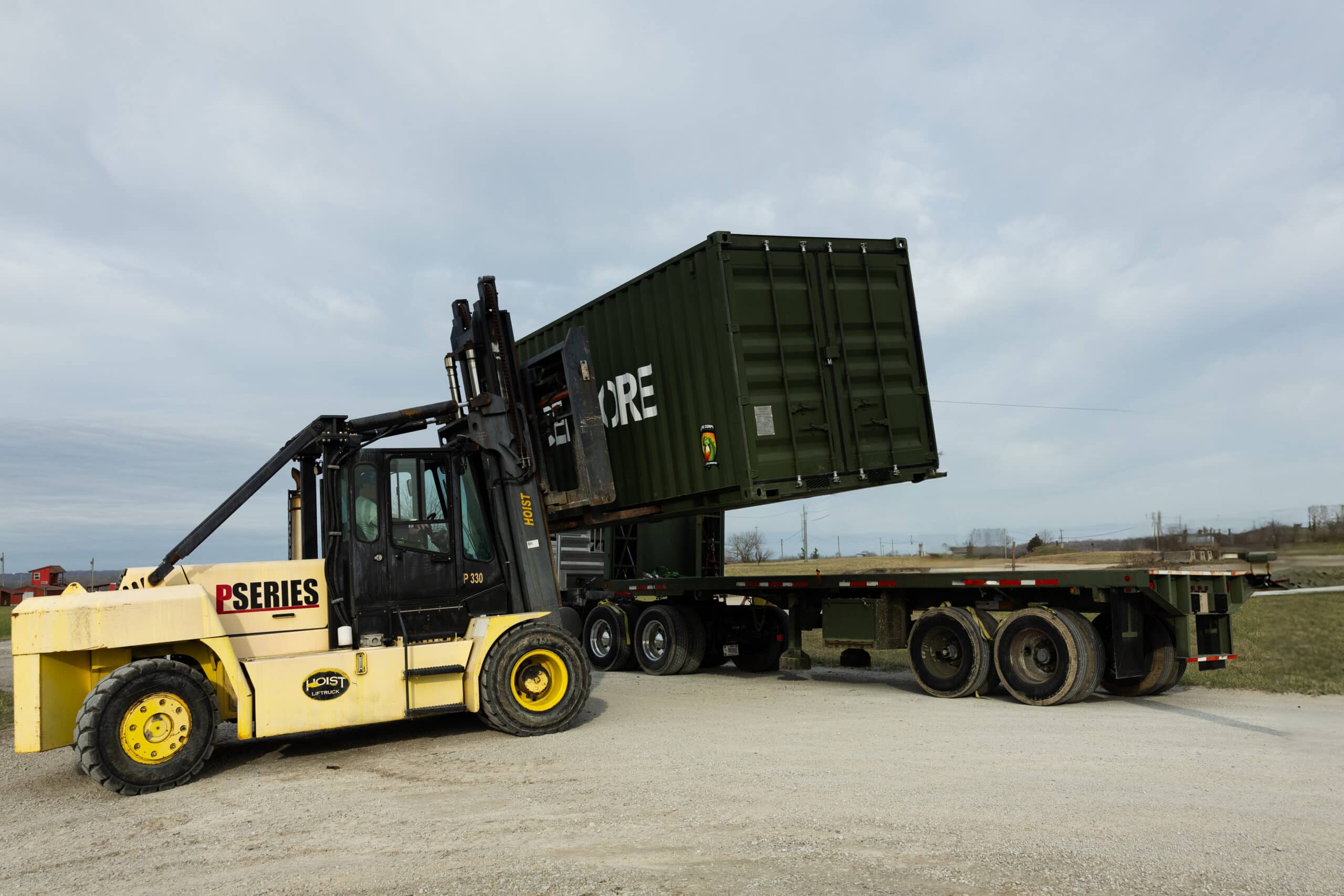
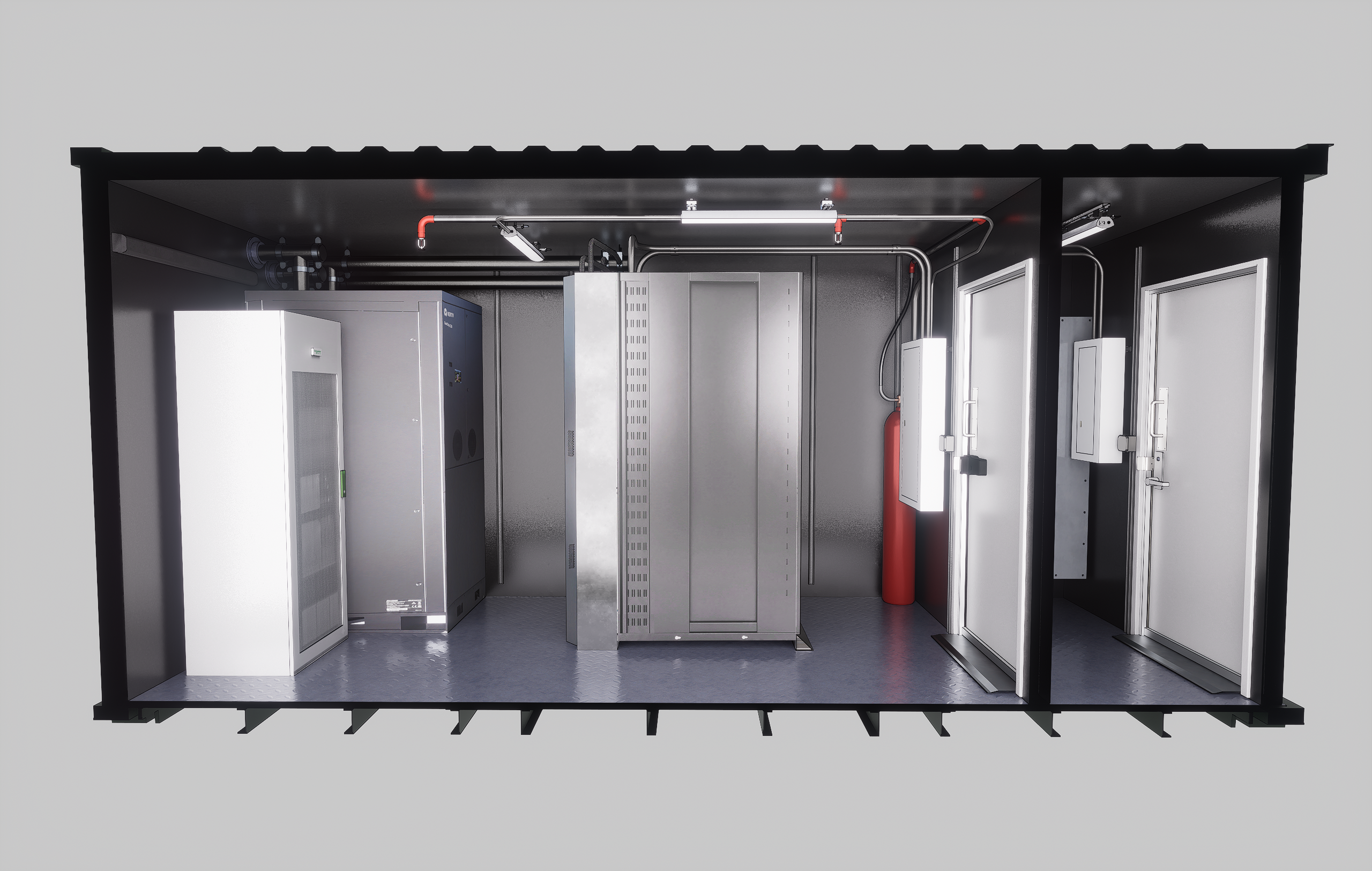
Prefabricated SCIF vs. Traditional SCIF Construction: Why a Modular SCIF Reduces Project Risk

A Sensitive Compartmented Information Facility (SCIF) is one of the most compliance-intensive construction projects a program manager or facilities leader will oversee. Both modular SCIFs and traditional SCIFs are designed to protect classified information and sensitive compartmented information. RF shielding, acoustic isolation, penetration controls, and structural continuity must all meet ICD 705 standards (Intelligence Community […]

Physical Security

9 min read

Security Plan for Construction Site Operations: Common CSP Mistakes That Delay Projects

A security plan for construction site operations does more than satisfy a compliance requirement. On secure builds, it directly determines whether construction milestones are met or whether the project stalls waiting on inspections, documentation corrections, or accreditation reviews. Delays on complex builds often do not begin with engineering problems. They begin with gaps in the […]

SCIF

6 min read

What a SCIF Room Really Requires (Beyond the Basics) 

A SCIF room — Sensitive Compartmented Information Facility — is a government-accredited secure space designed to protect sensitive compartmented information, classified material, and other forms of sensitive information from physical, electronic, and acoustic compromise. Meeting SCIF room requirements means thinking beyond the basic hardened conference room or secure space. When planning new SCIF facilities or […]

SCIF

10 min read

ICD 705 Tech Spec Explained: What It Means for Real SCIF Projects 

Designing or upgrading a Sensitive Compartmented Information Facility (SCIF) is not a typical construction effort. These facilities exist to protect classified information and sensitive compartmented information that supports national intelligence missions. At the center of every compliant SCIF is ICD 705, the governing Intelligence Community Directive that defines how secure facilities must be designed, constructed, and accredited.  SCIF construction fails accreditation for predictable reasons: design decisions made […]

SCIF

8 min read

Panelized vs. Modular vs. Portable SCIF: How to Choose the Right Approach

As mission requirements evolve and timelines tighten, organizations are increasingly looking beyond traditional construction to deploy secure environments faster. Portable SCIF solutions, along with modular and panelized approaches, have become viable options for creating a secure facility that supports secure communication and protects sensitive information.  They are not interchangeable: each carries different implications for schedule, accreditation, and long-term flexibility, and the right choice depends […]