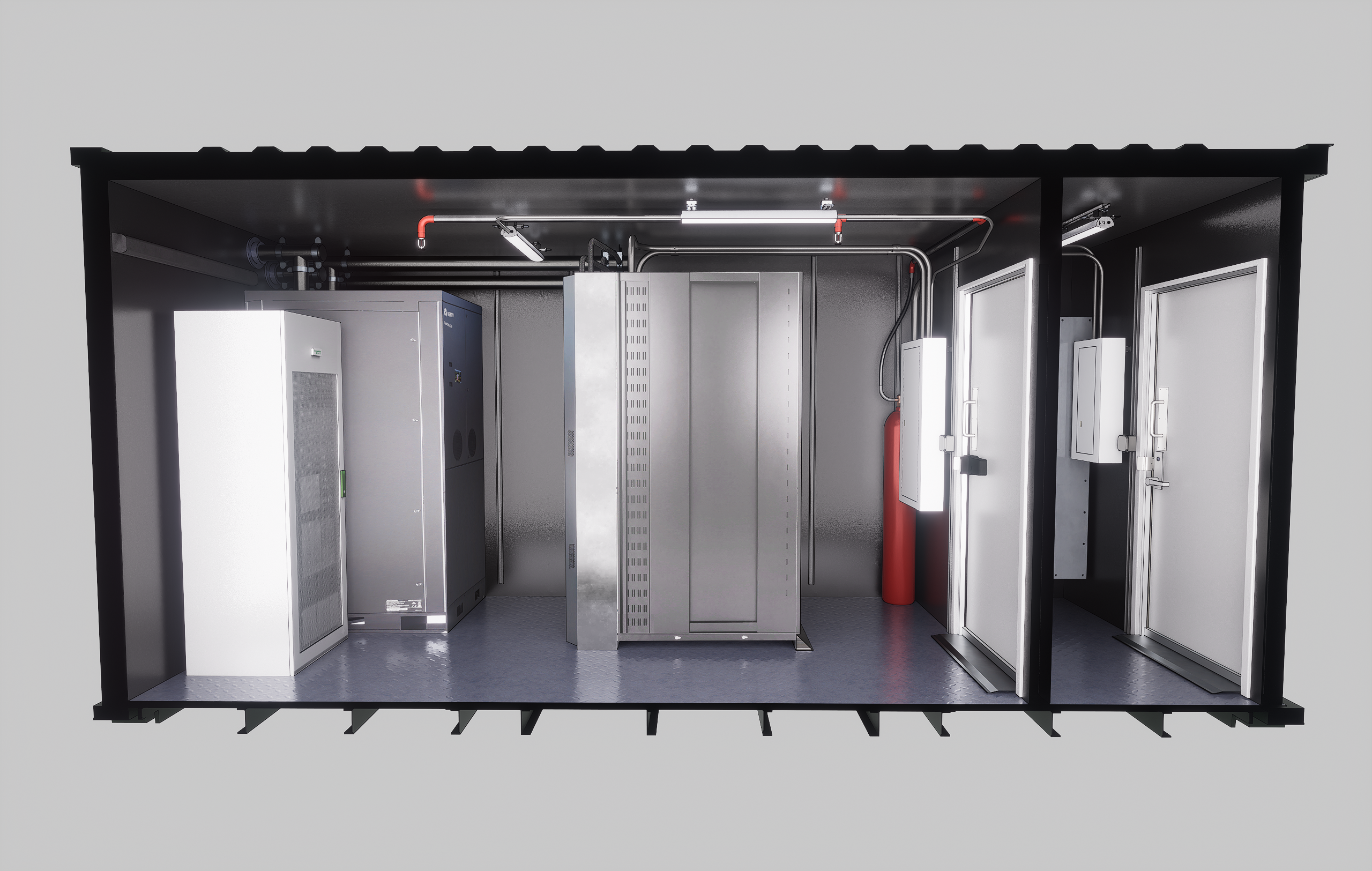
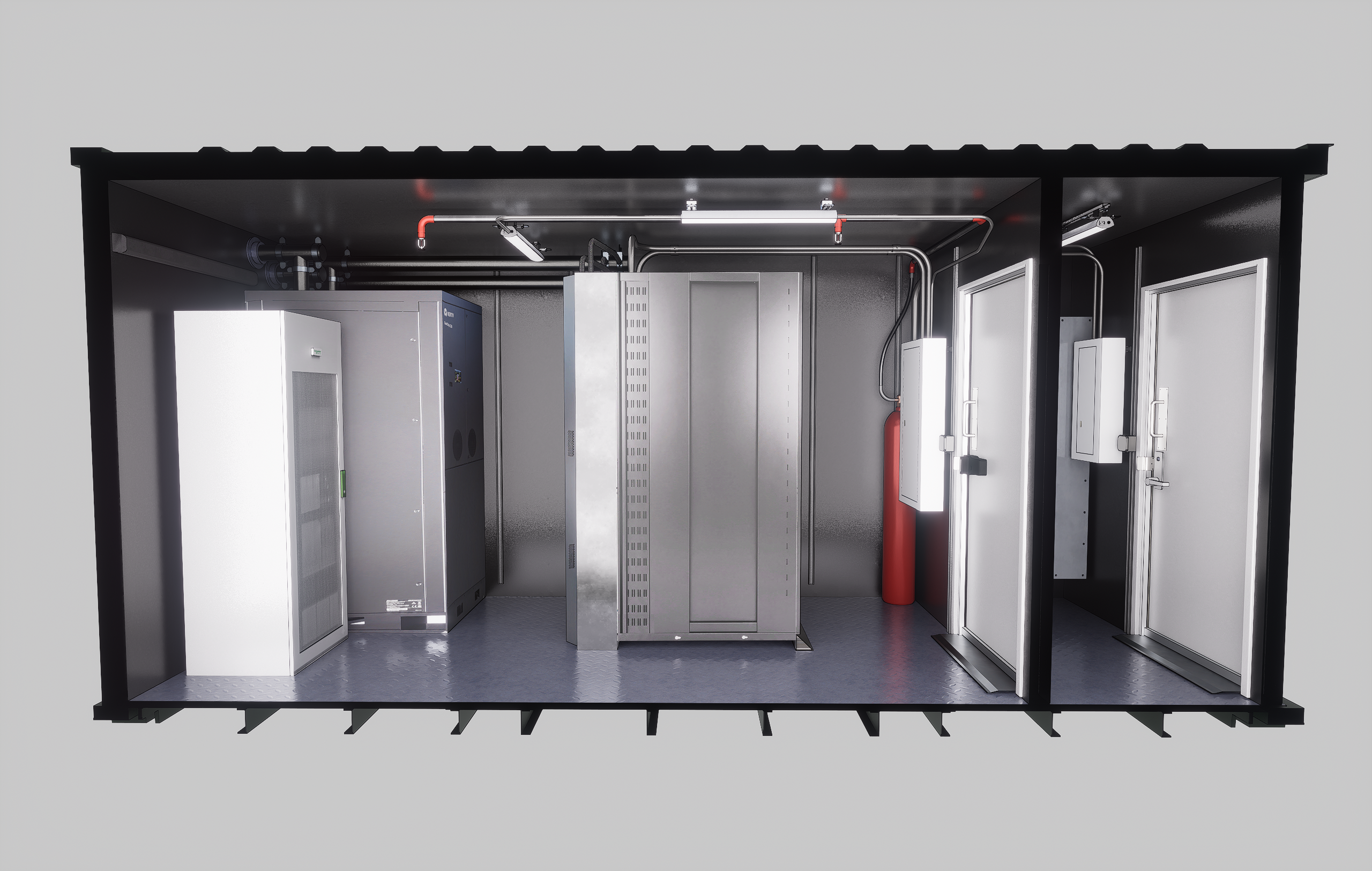
A containerized data center is a portable, self-contained environment that allows organizations to run IT systems without building a traditional facility. Instead of constructing a permanent building, all the necessary data center infrastructure like servers, networking equipment, cooling systems, and power are integrated into a single shipping container.
A containerized data center provides those same capabilities but in a flexible, modular format that can be deployed almost anywhere.
Because of this, many organizations think of them as mobile data centers. They are especially useful in remote locations, temporary deployments, and edge computing applications, where bringing infrastructure closer to the source of data improves performance.
What is a Data Center?
A data center is an environment where data is processed and stored. A containerized data center provides those same core capabilities, but in a flexible, modular format that can be deployed almost anywhere.
CenCore’s Containerized Data Center solutions are designed to deliver secure, mission-ready infrastructure in remote, regulated, and high-performance environments where traditional deployments may not be practical.
How a Containerized Data Center Works
The main difference between containerized data centers compared to a traditional data center is that containerized models follow a modular design. Traditional data centers usually require long construction timelines and larger upfront costs.
The system is prefabricated, tested, and delivered as a ready-to-use unit. This approach reduces the need for complex data center construction and allows for much faster deployment.
Each unit functions as a complete data center solution, typically including:
- Servers and storage systems for data processing
- Networking equipment for connectivity
- Cooling systems to maintain performance
- Power systems such as integrated or modular UPS and power distribution units
- Physical security and monitoring controls
This standardized, prefabricated data center model simplifies data center operations and reduces the complexity of managing infrastructure at scale.
Key Benefits of a Containerized Data Center
The value of a containerized data center comes from its ability to deliver infrastructure faster and more efficiently than traditional builds.
One of the biggest advantages is rapid deployment. Because systems are built and tested off-site, organizations can go from planning to operation much faster. This is especially important in industries where demand for computing power is growing quickly.
Another key benefit is scalability. Instead of committing to a large facility upfront, organizations can expand using additional modules as needed. This modular approach supports more efficient growth and better cost control.
Containerized systems are also well suited for edge computing, where data needs to be processed closer to users or devices. This reduces latency and supports real-time applications, including AI workloads and artificial intelligence systems that rely on fast processing.
Finally, these systems often support more efficient operation, helping reduce operational cost while maintaining performance.
When Should You Use a Containerized Data Center?
A containerized approach makes sense when flexibility and speed are more important than building a permanent facility.
Organizations typically use containerized data centers when they need to deploy infrastructure quickly, support distributed operations, or expand existing data center infrastructure without the complexity of a full buildout.
They are also ideal for:
- Supporting edge computing applications
- Enabling temporary deployments
- Scaling capacity alongside demand
- Deploying infrastructure in locations where traditional builds are not practical
Where CenCore Fits In
Many solutions in the containerized data center market focus on flexibility and speed. CenCore builds on that foundation by focusing on secure, mission-ready infrastructure.
Our containerized data center is designed for environments where traditional or standard modular systems are not enough.
These systems are engineered to support:
- Secure deployment in sensitive or regulated environments
- High-performance computing, including AI data centers and ISR workloads
- Operations in remote or austere conditions
- Hardened infrastructure with advanced protection and reliability
Rather than just enabling faster deployment, CenCore systems are built for real-world operations where security, performance, and resilience matter.
Conclusion
So, what is a containerized data center? It’s a flexible, modular approach to delivering IT infrastructure that allows organizations to process and manage data without relying on traditional construction.
For teams looking to improve data center operations, support edge computing, or deploy infrastructure in challenging environments, containerized solutions offer a faster, more scalable path forward.
Explore CenCore’s Containerized Data Center here.
Frequently Asked Questions (FAQ)