
Specialized Services > SCIF Accreditation Consulting Services
SCIF Accreditation Consulting Services
Independent readiness reviews. Clearer decisions. Reduced accreditation risk.
CenCore provides SCIF accreditation consulting services that help organizations identify compliance concerns, documentation gaps, and readiness risks before they become costly rework, schedule delays, or accreditation inspection findings.
Independent readiness reviews. Clearer decisions. Reduced accreditation risk.
Our assessments support SCIF construction projects, facility upgrades, and organizations preparing for the SCIF accreditation process. By evaluating requirements, implementation, and supporting documentation, we help project teams improve readiness before review by the Accrediting Official.
Accreditation Readiness Starts Early
Achieving SCIF accreditation requires more than completing construction. A Sensitive Compartmented Information Facility must demonstrate compliance with applicable security requirements, technical security requirements, physical security controls, and accreditation documentation.
CenCore provides independent assessments for new construction, renovations, facility upgrades, and existing secure facilities to help identify gaps before accreditation inspections occur.
↳ A Distinct Assessment Function
01
Independent Perspective
Objective assessments focused on compliance, accreditation readiness, and risk visibility while remaining separate from project execution.
02
Decision-Ready Findings
Each finding documents the condition, requirement, accreditation impact, recommended action, responsible stakeholder, and closure recommendation.
03
Clear Accountability
CenCore provides consulting and assessments. Accreditation decisions remain with the Accrediting Official, Cognizant Security Authority, Certified TEMPEST Technical Authority, customer representatives, and other designated authorities.
↳ Across the Project Lifecycle
What We Assess
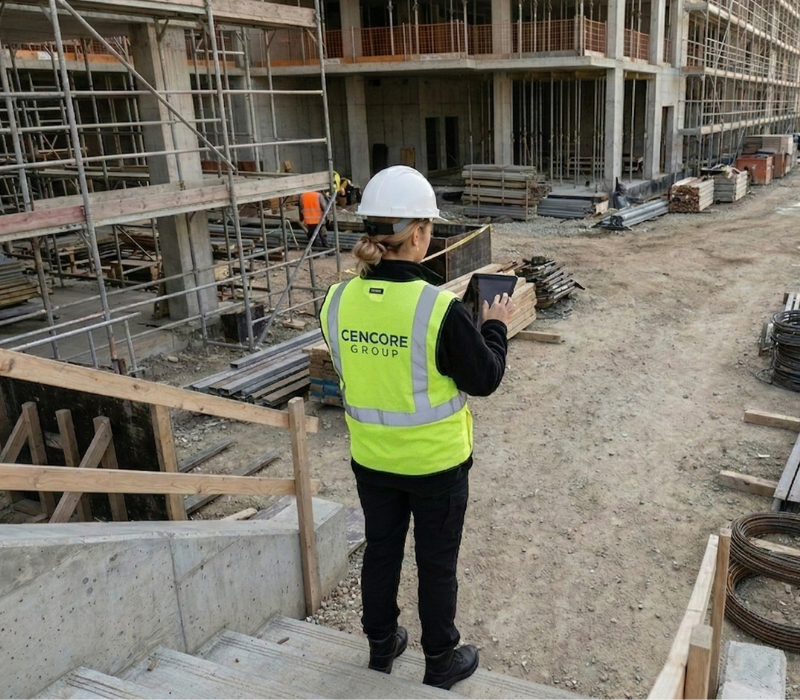
SCIF Accreditation Process Support
The SCIF accreditation process requires coordination between design teams, construction personnel, security specialists, government agencies, and project stakeholders. Small oversights can create delays that affect schedules and accreditation objectives.
As a SCIF consultant, CenCore helps organizations evaluate readiness throughout the project lifecycle. Our reviews focus on compliance, documentation quality, security measures, and accreditation requirements that support successful project outcomes.
01
Planning & Requirements
Review facility objectives, project assumptions, security requirements, accreditation requirements, and applicable ICD 705 standards to establish a strong foundation for project success.
02
SCIF Design & Engineering
Assess facility design decisions involving architecture, telecommunications, acoustics, grounding, shielding considerations, and technical security requirements that may affect accreditation outcomes.
03
SCIF Construction Security
Review Construction Security Plans, inspection records, corrective actions, deviations, and implementation documentation throughout SCIF construction activities.
04
Physical & Technical Security
Assess physical security controls, access control systems, intrusion detection systems, RF shielding considerations, telecommunications pathways, and technical security implementation.
05
Accreditation Documentation
Evaluate Fixed Facility Checklist inputs, accreditation package documentation, testing records, approved deviations, photographs, as-builts, and supporting project records.
06
Inspection Readiness
Identify unresolved findings, documentation gaps, and implementation concerns before accreditation inspection activities and final accreditation review.
↳ Intelligence Community Directive
ICD 705
ICD 705 Compliance Reviews
The Intelligence Community Directive establishes standards for the design, construction, and accreditation of SCIF facilities used to protect classified information and sensitive information.
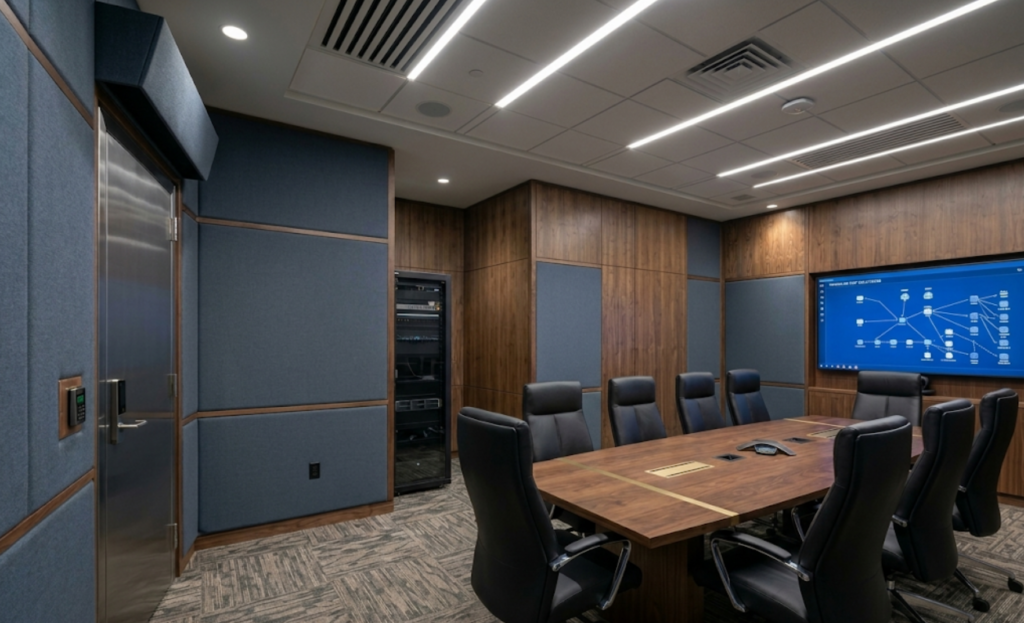
CenCore helps organizations assess ICD 705 compliance by reviewing security requirements, facility design decisions, construction security activities, technical security controls, and supporting documentation. These assessments provide greater visibility into readiness before formal government review.
Assess
Security Requirements
Evaluate
Facility Design Decisions
Review
Construction Security
Validate
Technical Security Controls
Specialized Assessment Areas
Accreditation readiness often depends on multiple disciplines working together. CenCore provides targeted assessments that support compliance and reduce project risk.
01
SCIF Design Assessments
Evaluate project decisions that affect accreditation requirements, security standards, and facility performance.
02
Technical Security Reviews
Assess grounding methods, RF shielding requirements, electromagnetic emanation considerations, telecommunications infrastructure, and technical implementation records.
03
Construction Security Reviews
Evaluate project decisions that affect accreditation requirements, security standards, and facility performance.
04
Documentation Reviews
Assess accreditation packages, testing records, implementation evidence, and inspection documentation required throughout the accreditation process.
05
Facility Clearance & Accreditation Support
Support defense contractors and organizations operating secure facilities by providing independent readiness assessments aligned with accreditation goals.
Accreditation Readiness Reporting
Every assessment results in an Accreditation Readiness Report that provides project stakeholders with a clear understanding of current status and remaining actions.
Identified Risks
Compliance concerns
Documentation gaps
Accreditation impacts
Unresolved findings
Readiness Roadmap
Applicable requirements
Recommended corrective actions
Readiness status
Closure recommendations
↳ Leading With Security
Why Organizations Choose CenCore
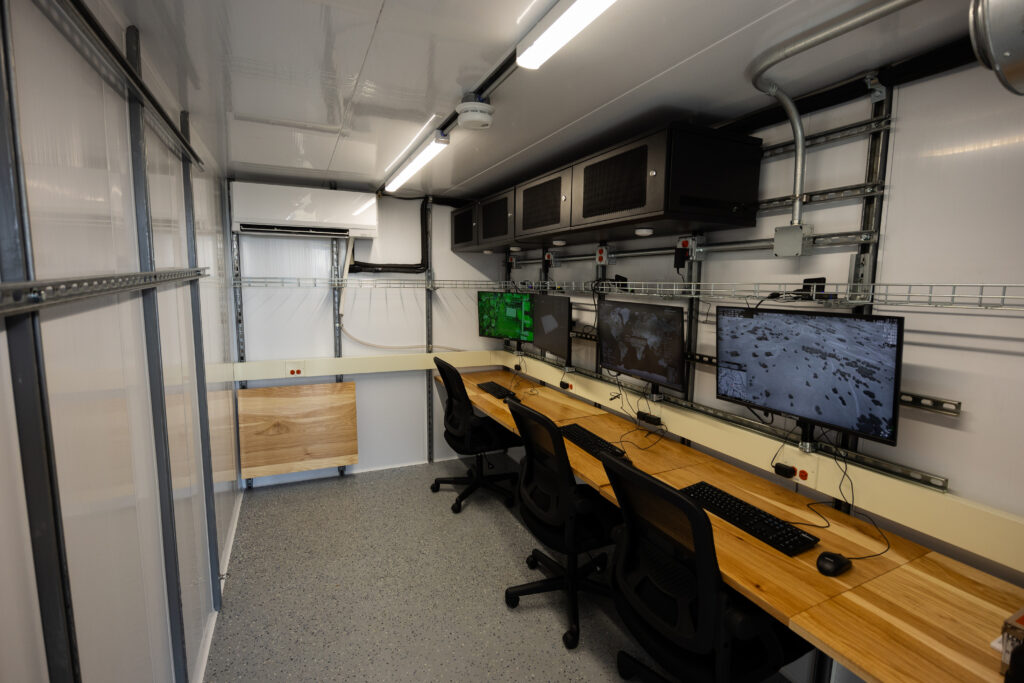
SCIF accreditation requires alignment between facility design, construction, security controls, and documentation.
CenCore provides independent assessments that help organizations identify compliance concerns, reduce accreditation risk, and improve readiness throughout the accreditation process.