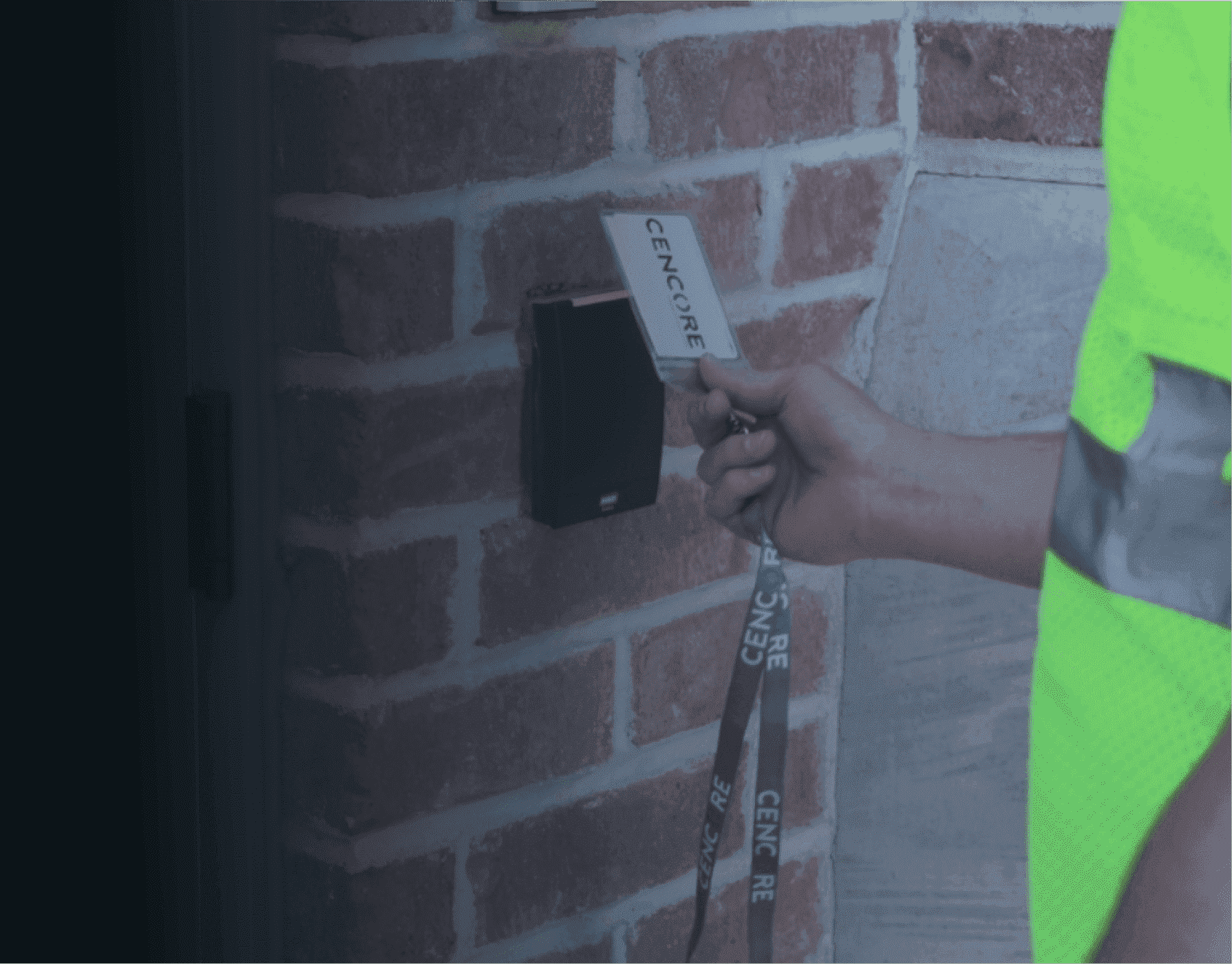
Access control is one of the most important functions in any security operation. Access control determines multiple things such as who can enter a facility or where they can go while inside the facility. In environments that involve sensitive operations or high-value assets, strong access control becomes a critical security measure.
Access control security guards are responsible for managing and enforcing this process in real time. They actively verify identity, enforce access permissions, monitor access points, and prevent unauthorized access before it becomes a security issue.
While many facilities rely on access control systems like badges or biometrics, to maintain a fully secure environment, they should be paired with trained personnel who ensure proper access management and consistent enforcement.
What Is Access Control in Security?
Access control is the process of regulating who can enter an area and under what conditions. It involves authentication, authorization, and decision-making systems that determine access rights and permissions for each user.
Access control can be managed through different systems and policies that define who has access to specific areas, but in physical environments, these controls rely on personnel to enforce access decisions in real time.
When managing access to facilities or buildings, this is referred to as physical access control. Which combines systems and personnel to control entry. This can include building access control systems, access control lists, and other access control platforms working together with on-site guards.
The goal is to create strong access control that protects people and assets while supporting business security and operational efficiency.
What Access Control Security Guards Do
Access control security guards manage access at critical points throughout a facility. Their role is operational and requires consistent execution of security requirements.
Core responsibilities include:
- Monitoring and controlling entry at designated access points
- Verifying user identity, credentials, and authorization
- Granting or denying access based on access control policy
- Managing visitor access and issuing temporary permissions
- Logging access events for documentation and auditing
- Identifying and responding to unauthorized access attempts
These guards play a key role in ensuring access decisions are made correctly and consistently. Access control work requires attention to detail, situational awareness, and the ability to enforce policy under pressure.
Managing Access at Critical Entry Points
Access control security guards are responsible for actively managing traffic through entry points.
This includes:
- Processing employees, contractors, and authorized users
- Verifying access rights against established control systems
- Managing vendor deliveries and inspecting materials
- Coordinating access for visitors and escort requirements
- Preventing tailgating or unauthorized entry
Each access point is a control point where security risks can begin to show if not properly managed.
Access Control Systems and On-Site Enforcement
Modern facilities rely on access control systems to regulate entry and monitor activity. These systems include:
- Badge and credential-based access
- Biometric authentication systems
- Mobile credential and cloud-based access control solutions
- Integrated security systems with surveillance and monitoring
These tools form the technical side of an access control solution while security guards handle the physical side.
These security guards ensure these systems function correctly by validating credentials at access points, responding to alerts and system triggers or identifying other random anomalies that may occur.
Both systems and personnel work together with systems verifying identity and personnel ensuring the policies are followed, and access points remain secure.
This aligns with a layered approach to physical security, where systems and personnel work together to reduce risk.
Why Access Control Fails Without Proper Oversight
Access control failures are rarely caused by technology alone. They typically occur when processes are not followed or when enforcement becomes inconsistent.
Common issues include:
- Weak credential verification
- Inconsistent application of access policies
- Poor documentation of access events
- Overlapping permissions or unclear access rights
- Lack of accountability at access points
Even with advanced security systems in place, poor oversight can lead to unauthorized access. Effective access control depends on consistent enforcement, clear access control policies, and trained personnel managing every entry point.
Access Control Security Guards vs. Traditional Security Guards
Access control security guards serve a more specialized role than traditional security guards.
Traditional security guards:
- Provide general site presence
- Conduct patrols and monitor activity
Access control security guards:
- Enforce access control policies
- Manage user access and permissions
- Verify identity and credentials
- Track access events and maintain logs
This difference is critical. Access control focuses on who gets in and why, not just observing what happens inside.
How CenCore Supports Access Control Operations
CenCore’s access control personnel are trained to operate within high-security environments where strict enforcement of access control requirements is essential. CenCore supports controlled facility entry with trained access control officers, personnel vetting and identity verification processes and real-time monitoring of access points and activity.
Our approach aligns with layered physical security practices, where multiple controls including access control systems and trained personnel work together to protect secure environments.
By focusing on operational execution, we ensure that access control is consistently enforced, reducing the risk of unauthorized access and supporting overall facility security.
The Role of Access Control in Secure Environments
Access control is a foundational part of physical security in controlled environments.
It supports:
- Protection of sensitive information and assets
- Control over personnel movement
- Reduction of insider and external threats
- Compliance with security requirements
Effective access control ensures that only authorized individuals can access specific areas, helping organizations maintain security and safety.
Conclusion
Access control security guards play a critical role in maintaining secure facilities. Their responsibilities go beyond checking IDs or monitoring doors. They actively manage who enters, enforce access policies, and ensure that systems and procedures are followed.
While access control systems provide the tools, it is the people enforcing those systems who make access control effective. Without proper oversight, even advanced systems can fail.
When operating high-security environments, strong access control requires both the right systems and the right personnel working together.
Click here to protect your secure facility with our access control officers.
Frequently Asked Questions (FAQ)