What Is Edge Computing?
Edge computing is a distributed computing approach that brings data processing closer to the source of data instead of sending everything to a centralized cloud or data center.
Instead of relying entirely on cloud computing, this allows organizations to process data locally at or near the edge of the network where data is generated.
This helps reduce delays, improves response times, and allows systems to act on data immediately, something that traditional, centralized models often struggle to support.
Why Edge Computing Is Becoming Essential
As reliance on connected devices and distributed operations, the volume of data being generated continues to grow.
Sending all that data to a centralized data center or cloud creates three major challenges:
- Latency: Delays in processing data impact time-sensitive operations
- Bandwidth strain: Large volumes of raw data overwhelm networks
- Security exposure: Transmitting sensitive data increases risk
Edge computing addresses these challenges by moving processing closer to the data source, enabling faster, more efficient operations.
The Benefits of Edge Computing
1. Low-Latency Data Processing
Edge computing enables low-latency data processing by keeping compute power near the source of data.
This allows operators to act on information immediately instead of waiting for centralized systems to respond.
2. Improved Security and Data Control
Local processing reduces the amount of sensitive data moving across external networks.
Keeping data closer to where it is generated limits exposure and strengthens overall data security.
3. Reduced Dependence on Centralized Cloud Systems
Unlike traditional cloud computing, this distributes processing across multiple locations.
This creates more resilient operations that can continue even if cloud connectivity is degraded or unavailable.
4. Increased Operational Efficiency
Filtering and processing data locally can reduce bandwidth usage and improve overall operational efficiency.
Only the most relevant data is sent back to centralized systems.
Who Can Benefit from Edge Computing?
Edge computing supports operations that require fast, reliable access to computing resources closer to where data is generated. Industries and mission environments that commonly benefit include:
- Intelligence & National Security
- Public Safety & Emergency Response
- Transportation & Logistics
- Cloud & Data Center Providers
Why Infrastructure Alone Isn’t Enough
Edge computing depends on infrastructure, but not all infrastructure is built to support how edge environments actually operate.
Unlike traditional data centers or centralized cloud environments, edge computing requires systems that can function in remote and rapidly changing conditions.
That means the challenge is deploying compute environments that are:
- Built for local processing at the edge
- Capable of operating in austere or bandwidth-limited environments
- Designed to support rapid data processing without constant reliance on centralized cloud systems
In other words, success at the edge depends on how and where infrastructure is deployed.
How CenCore Enables Edge Computing Environments
Edge computing is only as effective as the environment supporting it.
CenCore enables this by delivering purpose-built, deployable data center environments that bring secure compute power directly to the point of need.
Deployable Compute at the Edge
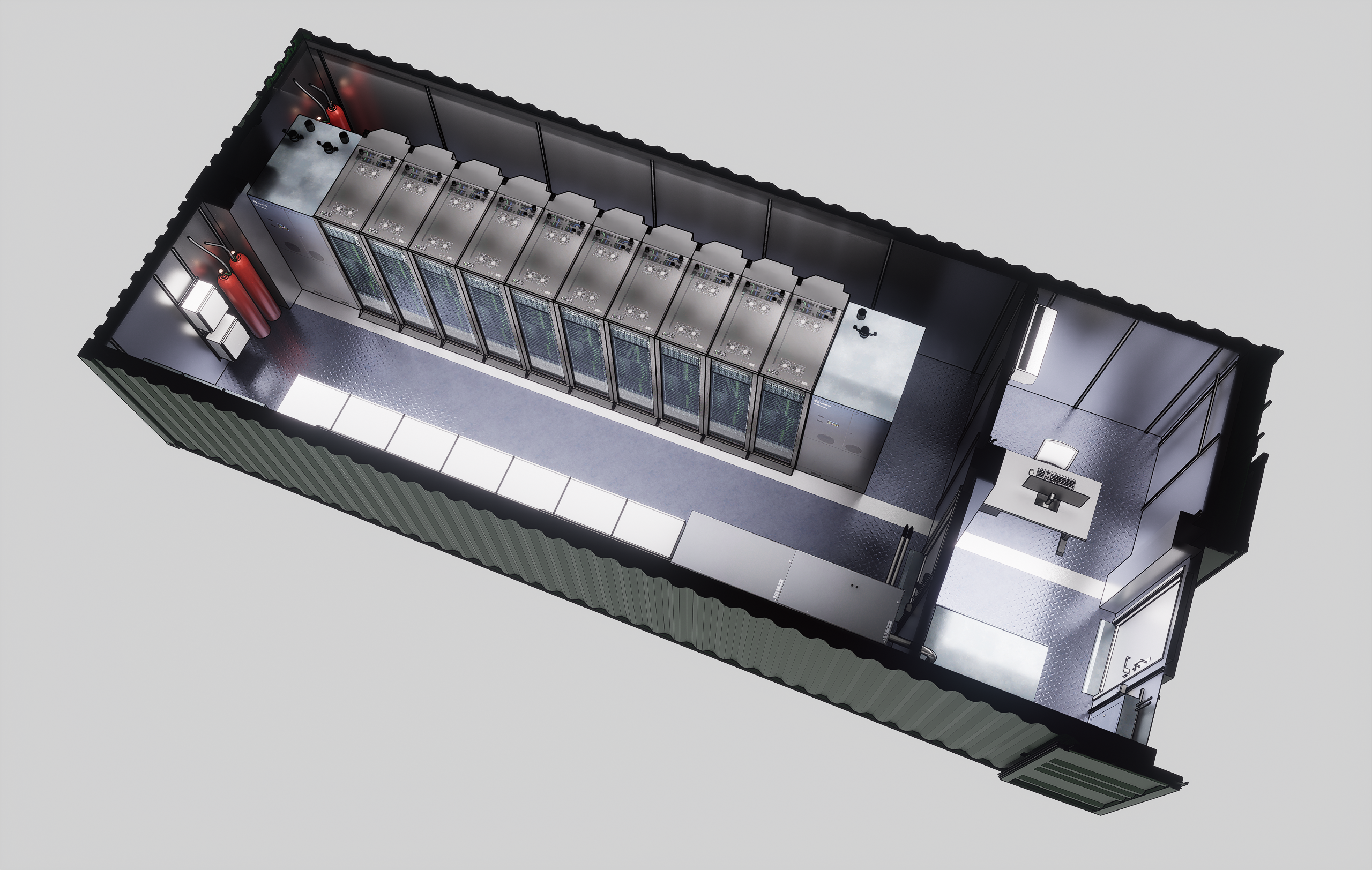
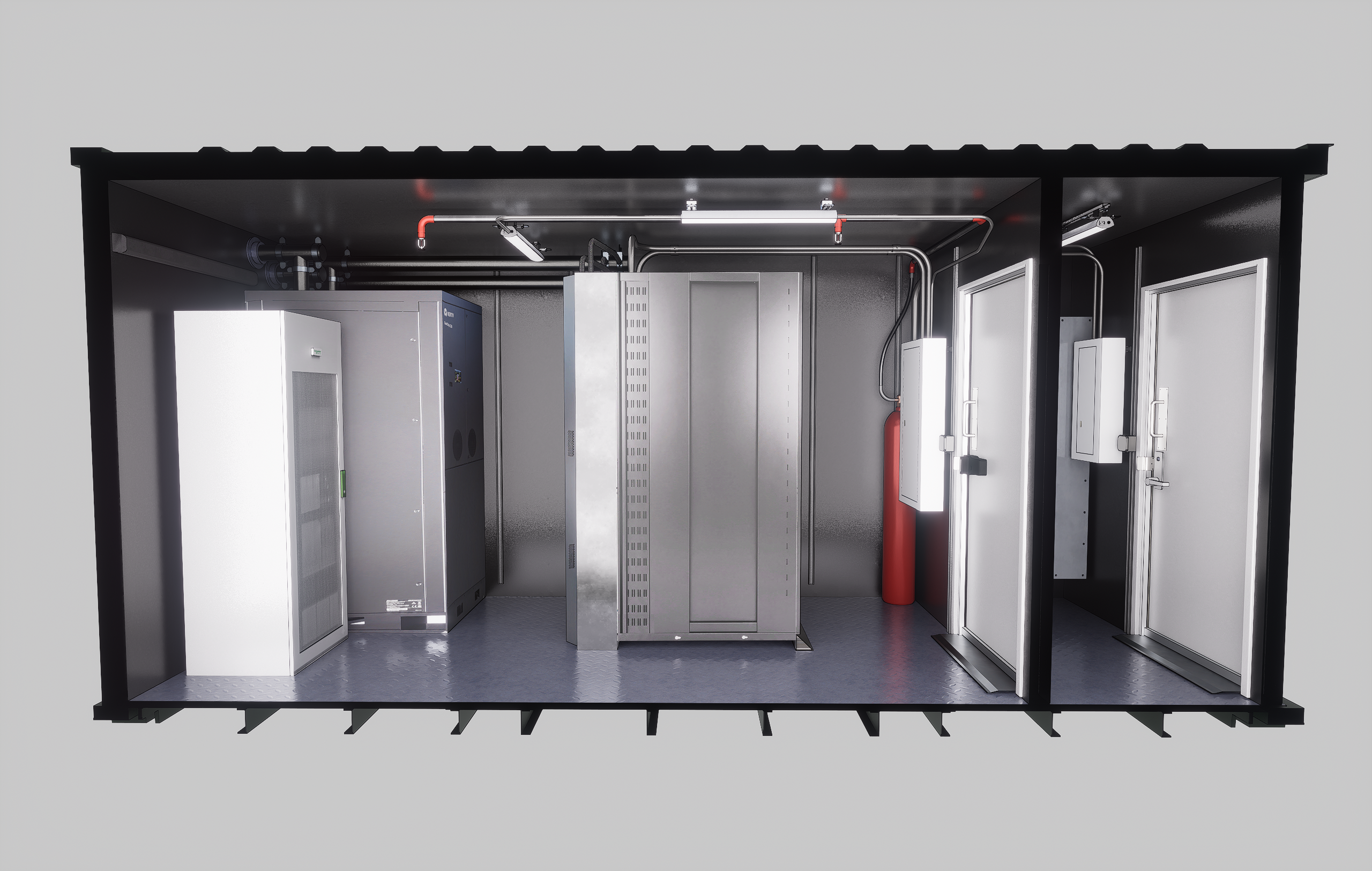
CenCore’s containerized data centers are designed to move computing closer to operations. These modular environments allow organizations to deploy processing power at the edge, reducing latency, and enabling faster decision-making without relying entirely on centralized cloud systems.
Built for Distributed Operations
Edge environments operate across locations that demand flexibility and resilience.
CenCore’s data centers are designed to support distributed computing architectures, giving teams the ability to scale and operate across multiple edge locations without sacrificing performance.
Enabling Real-Time Processing
By deploying compute infrastructure closer to the data source, CenCore enables real-time data processing at the edge.
This reduces the delay associated with sending large volumes of data back to centralized systems and allows faster, mission-driven decision-making.
Designed for Mission Environments
Edge computing often supports operations where traditional infrastructure isn’t practical.
CenCore’s containerized data centers are built to support these environments, delivering reliable compute capability wherever it’s needed, from forward operations to remote deployments.
Final Thoughts
Edge computing is transforming how organizations can process data, shifting from centralized cloud models to distributed environments where data is processed closer to where it is created.
This shift enables faster decision-making, reduced latency, and real-time data processing across operations that can no longer rely on distant infrastructure.
The full value of edge computing requires infrastructure that can be deployed where the mission demands it. CenCore supports that shift by delivering modular, deployable data center environments that bring computing power directly to the edge, enabling organizations to operate effectively wherever data is generated and decisions need to be made.
Explore our Containerized Data Centers here.
Frequently Asked Questions (FAQ)