If your organization works with classified programs, understanding NISPOM is essential. It defines how contractors protect classified information, manage access, and meet strict security requirements tied to national defense.
This policy plays a big factor in how industrial security operates across the United States.
What Is NISPOM?
NISPOM (National Industrial Security Program Operating Manual) is the governing framework for protecting classified national security information in industry. The NISPOM rule establishes the procedures and safeguards contractors must follow.
Originally issued as DoD 5220.22-M, it was later formalized into a federal final rule. That transition increased accountability and ensured consistent enforcement across the defense industrial base.
NISPOM answers a simple question: how do companies securely handle classified work?
Why NISPOM Exists
Organizations outside of the government now play a major role in supporting national security. That expansion of security companies creates risk. Without a unified standard, every contractor would approach security differently.
NISPOM fixes that by enforcing a consistent framework built on:
- standardized security procedures across contractors
- defined levels of access to classified information
- clear expectations for reporting requirements and accountability
It was established through an executive order to ensure that every cleared entity operates under the same security baseline.
Who Must Follow NISPOM?
NISPOM applies to any organization that supports classified contracts or handles sensitive programs. This includes defense contractors, subcontractors, and companies building secure facilities.
Organizations must obtain a facility security clearance and establish an internal program that supports ongoing compliance. This includes managing risks tied to personnel and infrastructure.
Core NISPOM Requirements
NISPOM requirements cover multiple areas of security, each working together to protect classified information.
- Personnel security ensures only approved individuals gain access. This includes background checks and the implementation of an insider threat program to identify risks early.
- Physical security focuses on how facilities are controlled. Access points must be secured, and infrastructure must prevent unauthorized entry or surveillance.
- Information security defines how classified data is handled, stored, and transmitted. Every step is governed by strict procedures.
Reporting is another critical component. Contractors must report incidents, personnel changes, and activities such as foreign travel to maintain compliance.
Each of these areas supports the same goal by protecting classified national security information from unauthorized disclosure.
NISPOM and Secure Facility Requirements
NISPOM, and Intelligence Community Directives (ICD), directly impact how secure environments are designed and built.
Facilities like SCIFs must meet strict requirements to prevent unauthorized access, compromise of classified or sensitive information or data loss. These environments rely on layered physical and technical controls from the start.
SCIFs are designed with features such as:
- Intrusion Detection systems
- Specific wall construction
- TEMPEST mitigations to prevent classified emissions
- secure communication infrastructure
- restrictions on personal devices
These measures ensure classified information remains protected within the facility.
How CenCore Supports NISPOM Compliance
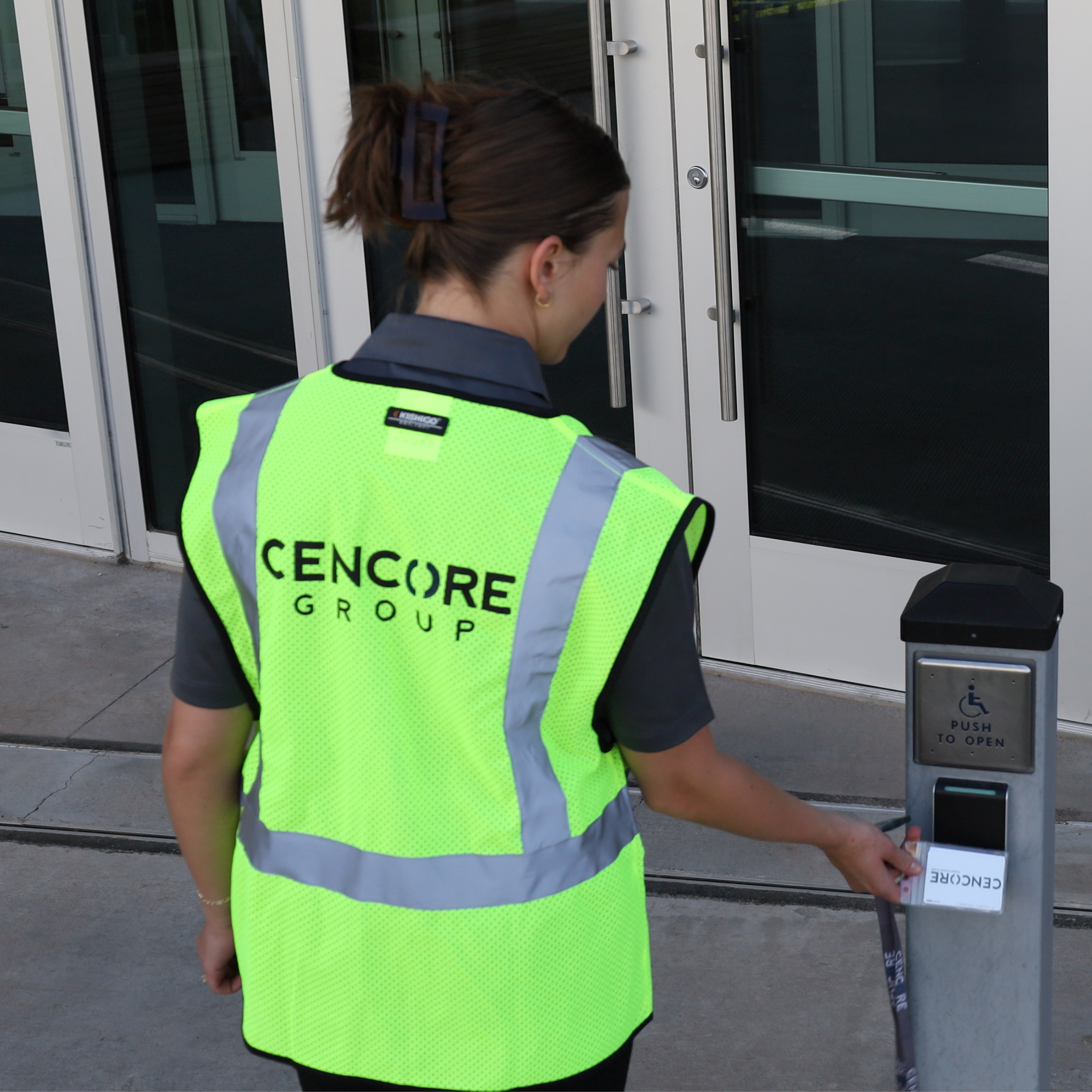
Through construction surveillance and physical security support, CenCore helps ensure compliance in real-world environments. Construction Surveillance Technicians are trained to identify and prevent the introduction of technical threats before they compromise classified spaces and ensure compliance with security requirements and access.
Their work aligns closely with NISPOM priorities:
- detecting vulnerabilities during construction
- controlling access to secure environments
- supporting layered security programs
- protecting classified missions from early-stage risk
CenCore’s CST programs emphasize that security must start before a facility becomes operational.
Why NISPOM Compliance Matters
NISPOM compliance directly impacts whether an organization can continue supporting classified work. Failing to meet requirements can lead to issues including lost contracts or revoked clearance. More importantly, it creates real risk to national security.
Strong compliance ensures that classified information remains protected and that contractors remain trusted partners in defense programs.
Conclusion
NISPOM sets the standard for how contractors handle classified information across the United States. It defines the requirements and procedures that keep national security programs secure. Being able to effectively implement these standards is what helps protect sensitive missions.
Click here to learn how CenCore can help with your Cleared Security needs.
FAQs
What is NISPOM in simple terms? NISPOM is the federal operating manual that outlines the policies and regulations for how contractors must protect classified information and maintain security when working on government programs.
Who needs to follow NISPOM requirements? Any contractor, subcontractor, or cleared entity working with classified information must follow NISPOM requirements to maintain compliance.
What are the main NISPOM requirements? The main areas include personnel security, physical security, information security, and reporting requirements, all designed to protect classified national security information.
What is NISPOM compliance? NISPOM compliance means meeting all required procedures, policies, regulations, while maintaining a valid security clearance, and adhering to all reporting and security responsibilities.
How does NISPOM apply to secure facilities like SCIFs? NISPOM, in tandem with Intelligence Community Directive (ICD) 705/705, governs how SCIFs are designed, built, and operated by requiring strict security measures that prevent unauthorized access and protect sensitive information.