Site security management looks very different once construction begins.
Before work starts, security is mostly about planning by defining access, setting up site policies, and preparing the site. These early security policies and security protocols help establish a baseline for site security management.
Once construction is underway, the environment changes every day. Workers new to the site arrive, materials move constantly, and different parts of the site are worked on.
Because of this, security becomes something that you have to monitor and actively manage. This is where construction surveillance and physical security best practices play a critical role in keeping the site compliant and secure.
What Actually Changes When Construction Begins
The biggest shift in site security management is that the site is starting to change.
Instead of a controlled environment, you now have a moving operation where conditions change hourly. This can create issues with visibility on the construction site if no one is actively monitoring what is happening.
Several key changes happen at once:
- More people are on site, often from different companies and trades
- Materials and tools are delivered, moved, and installed daily
- Open structures (walls, ceilings, and floors) are eventually closed, limiting future visibility
- Multiple work areas operate at the same time
All of this increases the overall security risk, introduces new security threats and increases the risk of unauthorized access or other unnoticed issues that could affect the integrity of the build.
In these secure construction environments, those risks are even more serious because problems introduced during construction are often impossible to detect once the work is complete.
Why Active Site Security Management Matters
Once construction starts, security cannot rely on static systems alone. It depends on continuous oversight.
Construction sites are especially vulnerable because they combine high activity with limited visibility. Without active monitoring, it becomes difficult to know:
- Who is on the site at any given time
- What materials are being brought in or installed
- Whether work matches approved plans and requirements
Without proper security management, these issues can lead to a security breach or long-term compliance issue that affects the entire project.
Strong site security management focuses on maintaining control during this complexity. It ensures that every stage of construction is monitored, and that issues are identified before they become permanent.
Construction Surveillance as the Core of Site Security
At the center of effective site security management is construction surveillance.
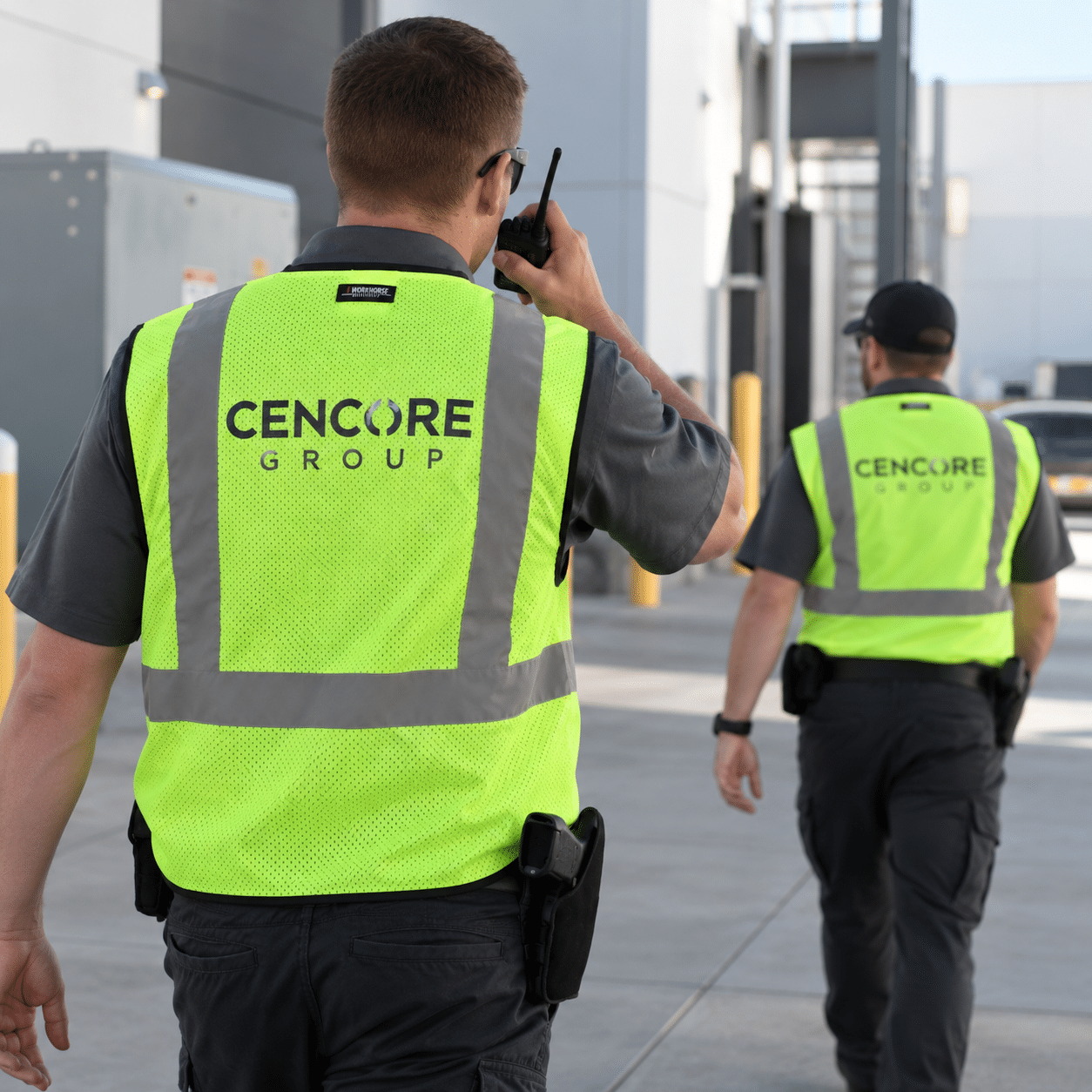
Construction Surveillance Technicians (CSTs) are responsible for maintaining visibility across the site and identifying risks as they happen. Their role is not just to watch activity but to determine where vulnerabilities may exist while paying attention to how the work is performed.
These technicians are specifically trained to:
- Detect technical and physical threats during construction
- Understand construction processes and documentation
- Recognize when something looks out of place or does not match expectations
- Act as the “eyes and ears” of the site throughout the build process
CSTs operate as part of the overall security team, working alongside other security personnel and supporting the site security manager in maintaining control of the construction environment.
This is what makes construction surveillance different from general security presence. It is tied to who is entering and leaving the site and how the facility is being built.
Physical Security Best Practices During Construction
Site security management during construction relies on a set of practical actions that keep the site controlled and visible as work progresses.
Effective security combines several approaches that work together. These physical security practices create layers of protection that reduce exposure to threats.
Maintain control of site access
Access control becomes more difficult once construction starts because of the number of workers involved. Every person entering the site needs to be verified, and their presence should match their role and responsibilities. This includes managing access points and using an access control system or structured access management process to track personnel movement.
Inspect materials and tools before installation
Construction introduces a constant flow of materials. These need to be checked before they are installed to ensure they meet requirements and have not been altered or tampered with.
Monitor active work areas
Different parts of the site may have different levels of risk. Areas where critical systems are being installed or where work will soon be closed in require closer attention.
Use randomized inspections
Routine checks are important, but predictable inspections can be easy to work around. Random inspections help ensure that activity is consistently monitored across the site.
Monitor perimeter security and surveillance systems
Physical security measures should also include perimeter security controls such as fencing, controlled gates, and surveillance cameras to monitor activity at the boundaries of the construction site. These surveillance cameras and security technology provide continuous visibility across key areas.
Document activity and observations
Maintaining records of inspections and site activity helps support compliance and ensures that issues are tracked and corrected when needed.
These practices maintain confidence that the project is being built correctly and securely at every stage.
What Sets Cencore Apart in Site Security Management
Cencore’s approach to site security management is built around construction itself, not just traditional security methods.
Our teams understand that security during construction is tied to how the facility is built, not just how it is protected.
What makes this approach different is the combination of technical knowledge and real-time oversight.
- Cencore deploys trained Construction Surveillance Technicians who understand both security requirements and construction processes
- Surveillance is integrated directly into daily site activity
- Inspections are aligned with construction milestones, especially before work is concealed
- Security decisions are made with compliance and accreditation requirements in mind
Compared to standard security guard services, this approach focuses on identifying risks within the construction process itself.
This approach allows issues to be identified early, while they can still be addressed, rather than after construction is complete.
Why Choose Cencore
Choosing the right partner for site security management during construction can directly impact whether a project stays on track and meets its requirements.
Explore our Construction Surveillance Technician service here.
Frequently Asked Questions (FAQ)