How ICD 705 Standards Protect Classified Operations
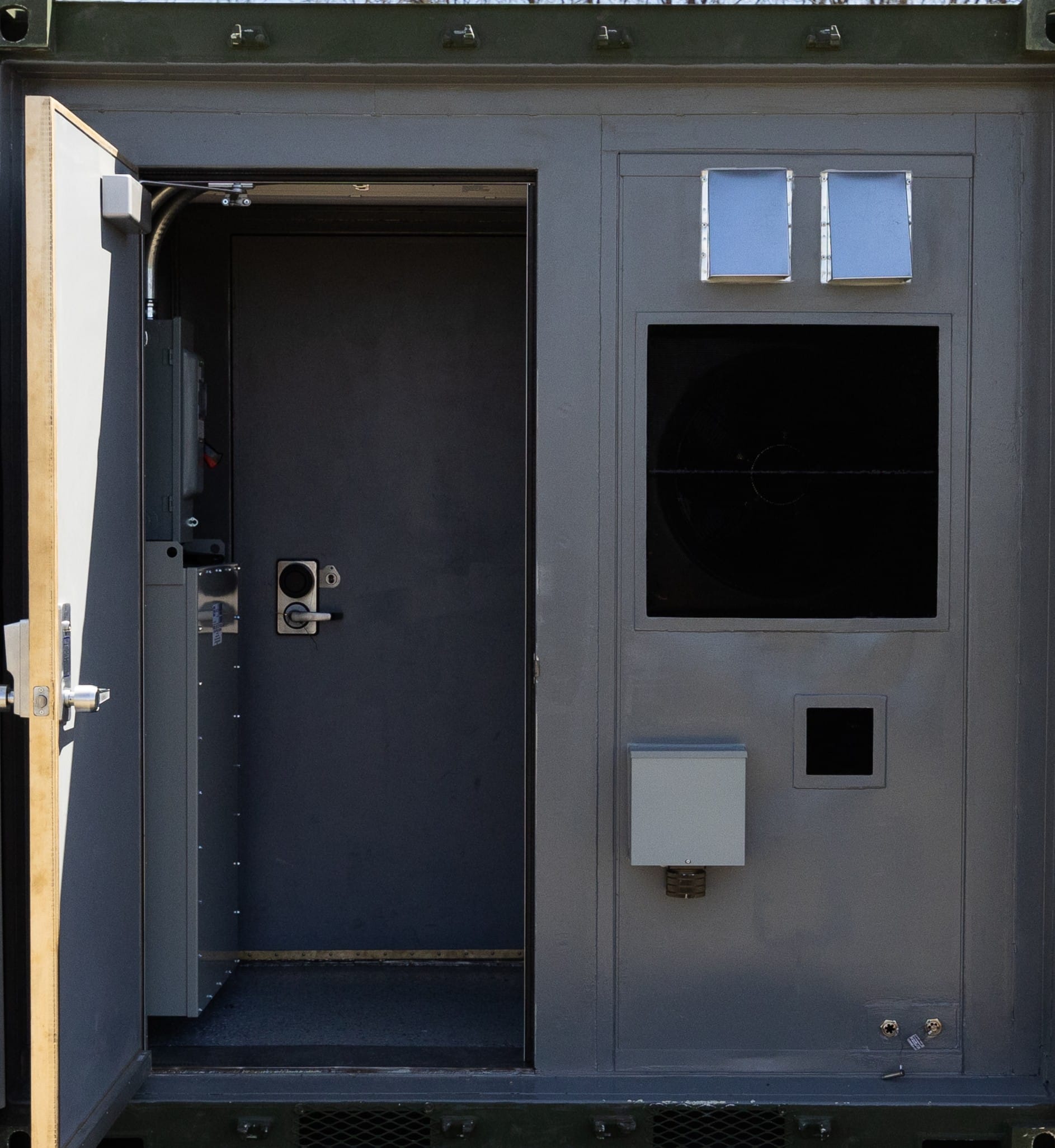
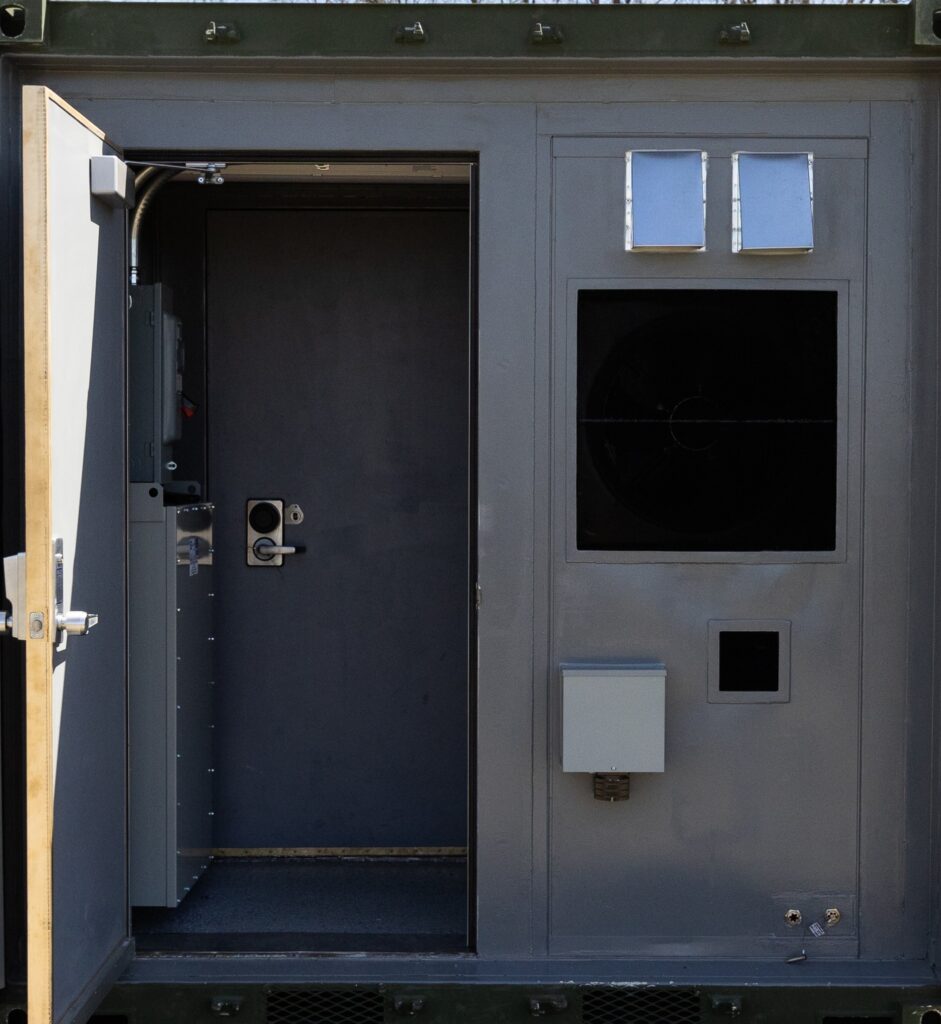
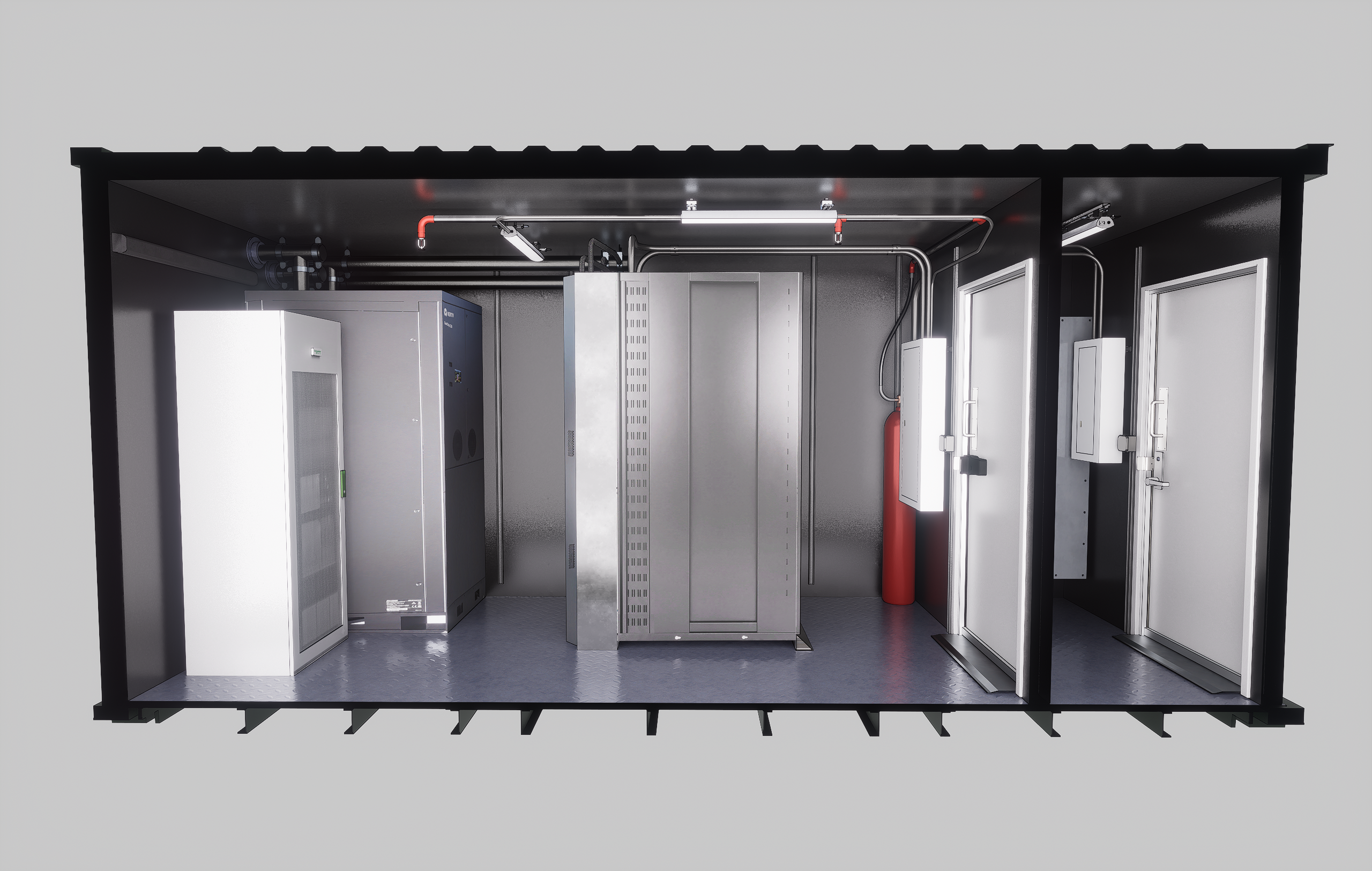
In any accredited secure environment, perimeter access points are one of the most critical elements of physical protection. Within a Sensitive Compartmented Information Facility (SCIF) or Special Access Program Facility (SAPF), each SCIF door is a part of the accredited boundary that safeguards sensitive compartmented information and prevents unauthorized entry.
This article explains how ICD 705 standards apply to different door types, why they matter during SCIF design and construction, and how proper specification supports long‑term compliance.
Why Doors Are Critical in a Secure Facility
Perimeter access points sit at the intersection of physical security, access control, and acoustic performance. If one element fails, it can undermine the entire layered defense model.
Improperly designed or installed openings can:
Allow intelligible speech or RF emissions to escape the secure area
Create opportunities for unauthorized access
Delay or jeopardize SCIF accreditation
Require costly remediation after construction is complete
Reduce RF protection
For this reason, ICD 705 technical specifications require perimeter openings to perform at the same level as surrounding walls, floors, and ceilings.
Primary Entrance Requirements
The primary entrance is the main controlled access point into the SCIF or SAPF and plays a central role in daily operations and after‑hours protection.
Construction and Assembly
Primary entrances must be built as rated assemblies, meaning the SCIF door, frame, seals, and hardware are designed and installed to function together. Approved constructions typically include reinforced metal or solid‑core assemblies appropriate for a high security facility.
Using mismatched components can compromise acoustic performance and invalidate ratings.
Acoustic and RF Performance
The entrance must provide acoustic protection equivalent to the surrounding SCIF space, typically aligned with STC requirements defined in the tech spec. Where mission needs dictate, RF shielding may also be required and validated by a Certified TEMPEST Technical Authority.
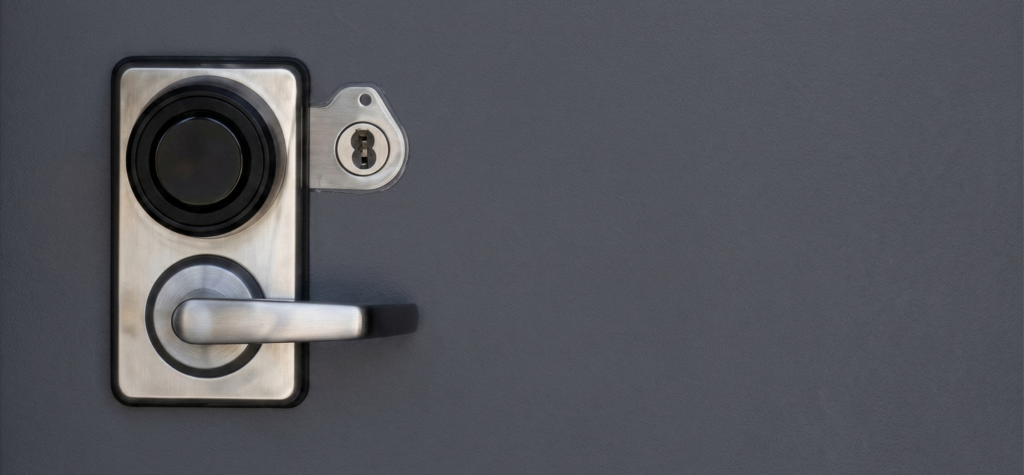
Locks, Alarms, and Access Control
Primary entrances integrate directly with the facility’s security system, including:
A compliant access control system for occupied periods
Approved locking mechanisms for unoccupied periods
Connection to the intrusion detection system for continuous monitoring
This entrance is typically the point where alarms are armed and disarmed, making reliability and proper installation essential.
Secondary Entrances
Updated guidance allows for limited use of secondary entrances with approval from the Cognizant Security Authority.
These openings must meet the same construction, acoustic, and alarm requirements as the primary entrance but are not used for locking or unlocking the space after hours. When properly approved, they can improve circulation in larger facilities without reducing protection.
Emergency Exit Openings
Emergency exits must balance life safety and security requirements.
They are required to:
Match perimeter construction and acoustic performance
Remain alarmed at all times
Use panic hardware for exit‑only operation
Exclude exterior hardware
Final configurations are driven by fire and life safety codes but must still prevent unauthorized entry into the secure working area.
Double‑Leaf Configurations
Double‑leaf openings are commonly used to move oversized equipment or material into a SCIF space.
To maintain compliance:
One leaf must remain secured when not actively in use
Each leaf requires independent alarm monitoring
Fixed leaves must include approved locking hardware
These openings are frequently scrutinized during inspections due to their potential misuse.
Roll‑Up Openings
Roll‑up openings present unique challenges. Currently, there are no standard solutions that reliably meet higher acoustic ratings.
When operationally necessary:
They must be constructed of heavy‑gauge steel
Integrated into the intrusion detection system
Restricted to non‑discussion areas
Facilities requiring both large clear openings and acoustic performance often rely on custom solutions.
Vault Doors and Specialized Storage
Vault doors are typically used when large quantities of classified material cannot be stored in approved containers. While they exceed baseline security requirements, they involve significant cost and structural reinforcement and are rarely appropriate for routine access.
Doors Between Adjacent SCIFs
Any opening connecting two accredited spaces is still treated as part of the perimeter. Both sides must independently control access and alarms, and the opening must meet the highest applicable acoustic requirement.
Unilateral access between SCIF rooms is not permitted.
Fire Safety, Accessibility, and Compliance
Even in a secure area, entrances must comply with:
Fire life safety codes
ADA accessibility requirements
Local building regulations
Security enhancements cannot override these obligations, making early coordination essential.
Why Door Design Affects Accreditation
During inspections, doors are evaluated as part of the fixed facility checklist because they directly affect:
Protection of sensitive information
Prevention of unauthorized access
Long‑term compliance with ICD 705
Improper specification is a common reason projects delay SCIF accreditation.
Final Takeaway
Every platform we support operates within secure environments that require accredited SCIF doors. Explore how our solutions align with ICD 705 requirements across different mission contexts.
Cleared Security Jobs in San Antonio, TX: Opportunities for CSTs, Security Escorts, and Access Control Personnel
San Antonio continues to be one of the nation’s leading hubs for defense, intelligence, and government-related operations, creating demand for professionals who can support secure facilities and mission-critical programs. For individuals interested in cleared security careers in San Antonio, the region offers opportunities that extend beyond traditional security officer jobs and into specialized positions supporting […]
Mobilize the Industrial Base
6 min read
Command and Control at the Tactical Edge: How Mobile SCIFs Enable Secure Communications
With the changing landscape of warfare, modern command and control depends on the ability to effectively communicate at the edge through networks and communication equipment. Defense teams operating in distributed environments also need protected places where authorized personnel can access classified information and coordinate decisions securely. That requirement becomes harder to meet at the tactical […]
Physical Security
6 min read
Why Secure Manufacturing is Essential For Mission Critical Projects
Manufacturing for government, defense, and mission-critical programs requires a different approach from the ordinary product manufacturing process. Customers also need confidence in the people, materials, facilities, and processes behind that product. Secure manufacturing provides that confidence by integrating security throughout production. It combines trusted personnel, controlled manufacturing environments, supply chain controls, configuration management, documented quality […]