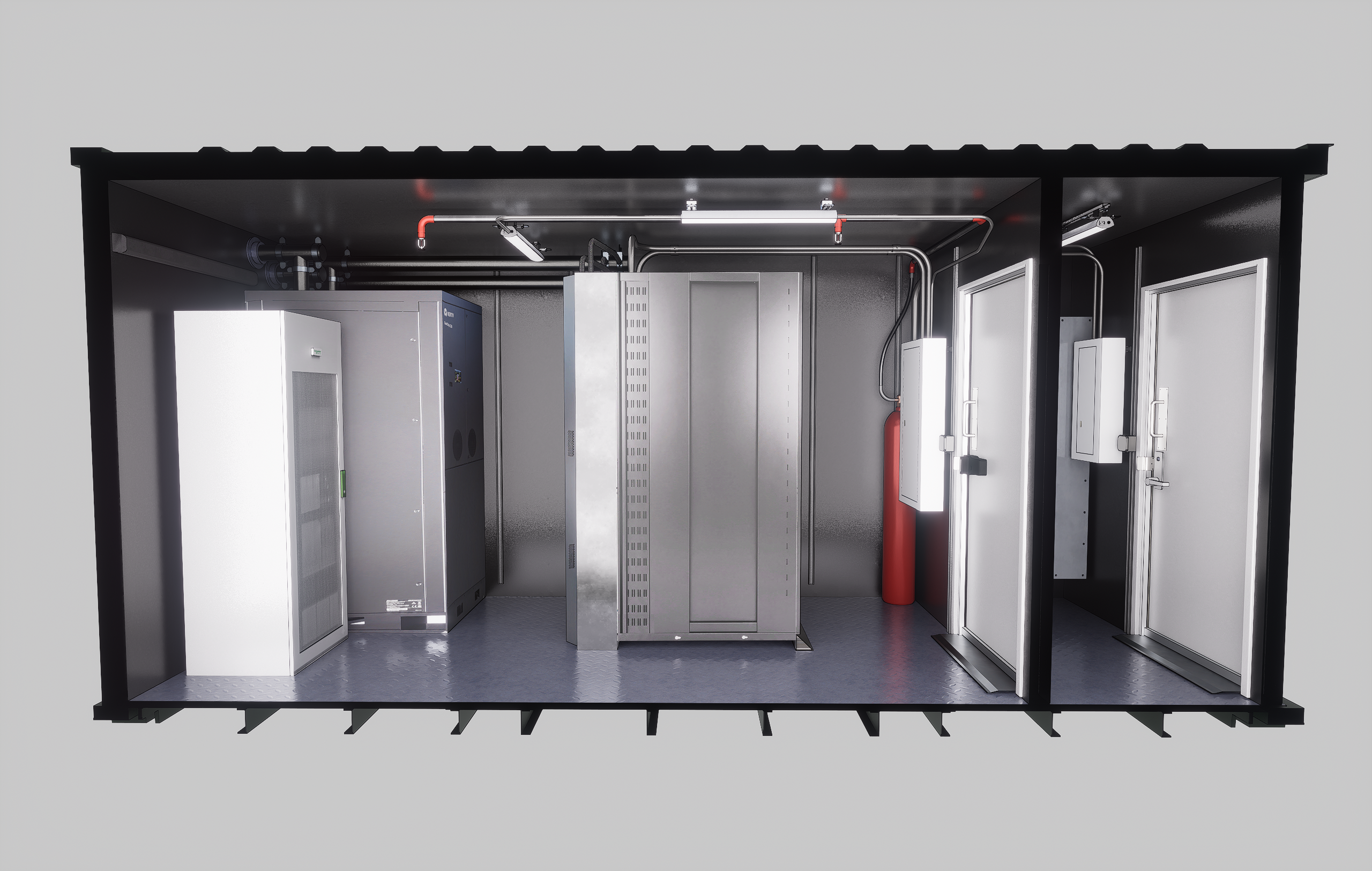
Designing a secure facility involves more than physical controls and restricted access. Even in highly protected environments, sensitive data can still be exposed through unexpected channels.
One of the most critical risks comes from electromagnetic emissions which are unintentional signals produced by electronic equipment that may carry sensitive information beyond the boundaries of a secure space. TEMPEST security requirements exist to control these risks and ensure that classified information remains protected.
Understanding these requirements is essential for anyone involved in secure facility planning, compliance, or construction.
What Are TEMPEST Security Requirements?
TEMPEST security requirements are a set of standards and countermeasures designed to prevent data leakage caused by compromising emanations (unintentional signals emitted from electronic systems).
These emissions can include electromagnetic radiation, electrical signals, or acoustic outputs generated as equipment processes information.
If intercepted, these signals can be analyzed to reconstruct sensitive or national security information without direct access to the system itself.
TEMPEST is closely tied to communications security and a broader discipline known as emission security (EMSEC), both of which focus on preventing data from escaping secure environments.
Why TEMPEST Requirements Matters for Secure Facilities
Facilities handling classified information including a Sensitive Compartmented Information Facility (SCIF), must be designed to prevent not only physical intrusions but also electronic leakage.
The challenge with these signals are:
- Signals can radiate through the air
- They can travel along power lines or building infrastructure
- They may even be recovered using commercially available tools
This type of electronic eavesdropping does not require physical access, making it a serious threat to national security operations.
Without proper TEMPEST security requirements in place, a facility can unintentionally function as a source of electromagnetic eavesdropping, exposing sensitive data to adversaries.
Key Components of TEMPEST Security Requirements
Although exact specifications are often classified, several key elements consistently define TEMPEST compliance.
Electromagnetic Shielding
At the core of TEMPEST is shielding, which prevents electromagnetic emissions from leaving a facility.
Facilities achieve this through:
- Conductive materials built into walls, ceilings, and floors
- Shielded enclosures like a Faraday cage
- Specialized doors and penetrations designed to limit signal leakage
Teams will implement these measures to help contain emissions within the environment and protect sensitive data from interception.
Filtering and Grounding Requirements
Signals not only move through air; they also move through electrical and structural systems.
To mitigate this, facilities implement:
- Power and signal filtering to block conducted emissions
- Grounding systems to safely dissipate electromagnetic energy
Engineers implement these controls to prevent electromagnetic emissions from traveling outside the secure environment through unintended pathways.
Control of Signal Pathways
Compromising emanations can travel along unexpected routes such as pipes, ducts, and cables.
Effective TEMPEST countermeasures include:
- Interrupting conductive paths with non-conductive breaks
- Securing all utility penetrations
- Managing how systems and infrastructure connect inside the facility
Without this level of control, signals can escape even well-shielded environments.
Equipment Placement and Emission Considerations
Every piece of electronic equipment produces a measurable emission range.
The strength of those emissions depends on:
- The type of equipment being used
- Distance from facility boundaries
Higher emissions increase the risk of external detection. Strategic placement helps minimize exposure and supports compliance with TEMPEST requirements.
TEMPEST Testing and Certification
Meeting TEMPEST security requirements requires validation.
Teams accomplish this by:
- TEMPEST testing to measure emission levels
- Verification against established TEMPEST standards
- Use of TEMPEST certified equipment in secure environments
In many cases, facilities must follow a formal TEMPEST certification program to ensure compliance with government and defense requirements.
A certified TEMPEST Technical Authority (CTTA) typically provides oversight and determines what level of protection is required based on risk and environment.
TEMPEST Requirements in Secure Facility Design
TEMPEST security requirements influence nearly every aspect of a secure facility’s design.
These include:
- Construction materials and shielding strategies
- Electrical system architecture
- Layout of equipment and systems
- Integration of infrastructure like HVAC and conduits
Because these requirements affect the entire structure, they must be considered early in the design process. Retrofitting TEMPEST controls into an existing facility is significantly more complex and costly.
Why TEMPEST Security Requirements Are Increasing in Importance
Modern environments rely heavily on interconnected electronic systems, increasing the potential for data exposure.
At the same time, advances in cybersecurity and signal interception technologies have made it easier to detect and exploit emissions.
As a result:
- Even low-level emissions can pose a risk
- More facilities require TEMPEST compliance
- TEMPEST is becoming essential for full-spectrum security
Organizations that fail to implement these requirements risk data exposure, compliance issues, and vulnerabilities in mission-critical systems.
Implementing TEMPEST Requirements in Secure Facilities
TEMPEST security requirements are essential for protecting sensitive and classified information from one of the most overlooked threats: unintentional electromagnetic emissions.
Through shielding, filtering, grounding, and validated countermeasures, these standards ensure that secure facilities maintain control over their data on both inside and beyond their physical boundaries.
For organizations planning or upgrading secure environments, integrating TEMPEST from the beginning is critical to achieving compliance, maintaining security, and supporting national defense objectives.
Explore CenCore Tempest Compliant SCIF Solutions Here