Many organizations still treat physical security as a staffing problem. Fill the posts, cover the shifts, and assume everything is working.
That approach misses the point.
Security program management is not about headcount. It is about running a structured security program that ties governance, compliance, and day‑to‑day execution together. When sensitive information is involved, that structure is what determines whether a facility actually meets its security requirements.
In controlled environments, those requirements are defined by standards such as ICD 705 for SCIF accreditation and NISPOM (32 CFR Part 117), both of which establish how access, documentation, and protection of classified information must be managed.
A well-run program connects people, procedures, and security controls into a system. Without it, even a fully staffed site can develop ongoing issues.
Why Staffing Alone Doesn’t Work
Staffing focuses on presence while program management focuses on performance.
A site can have personnel in place, access control systems active, and physical security measures visible, but still carry real security risk if those elements aren’t coordinated. Over time, inconsistent decisions, unclear procedures, and missing documentation build and eventually impact compliance and operations.
The issue isn’t the amount of effort but the structure that is put in place.
What Security Program Management Actually Does
Security program management connects governance, risk management, and execution so the environment operates as one system.
That system has to hold up through inspections and day-to-day operations.
A strong program keeps four things aligned:
- Compliance with defined security requirements
- Consistent enforcement of access control
- Ongoing visibility into security risk management
- Support for overall organizational operations
Governance brings it all together by defining roles, setting expectations, and ensures that decisions follow a clear security strategy. Governance provides consistency which helps avoid long term problems.
Importance of Documentation in Security Management
When implementing security management into a secure facility, it isn’t always immediately visible, but it will show up in the records.
Documentation shows that policies are followed and controls are working. It connects real activity to the security program in a way that holds up under review or investigation. This includes access control records, movement tracking, and any reporting tied to a security incident.
Compliance frameworks require this level of documentation because facilities must demonstrate that controls are enforced and that classified or sensitive information is protected from unauthorized access or disclosure.
Without documentation, there’s no way to validate what’s happening inside the environment. Without that knowledge, compliance becomes difficult.
Security Supports Operations
Physical security is not separate from operations. It’s part of how a facility runs.
When access control fails or procedures aren’t followed, it not only makes the work slows down, but compliance issues surface. In environments handling sensitive information, those disruptions carry real consequences.
Strong security operations prevent that by enforcing control and protecting assets creating stability around the site.
Importance of Execution in the Program
Onsite personnel are essential, but they can’t replace the program.
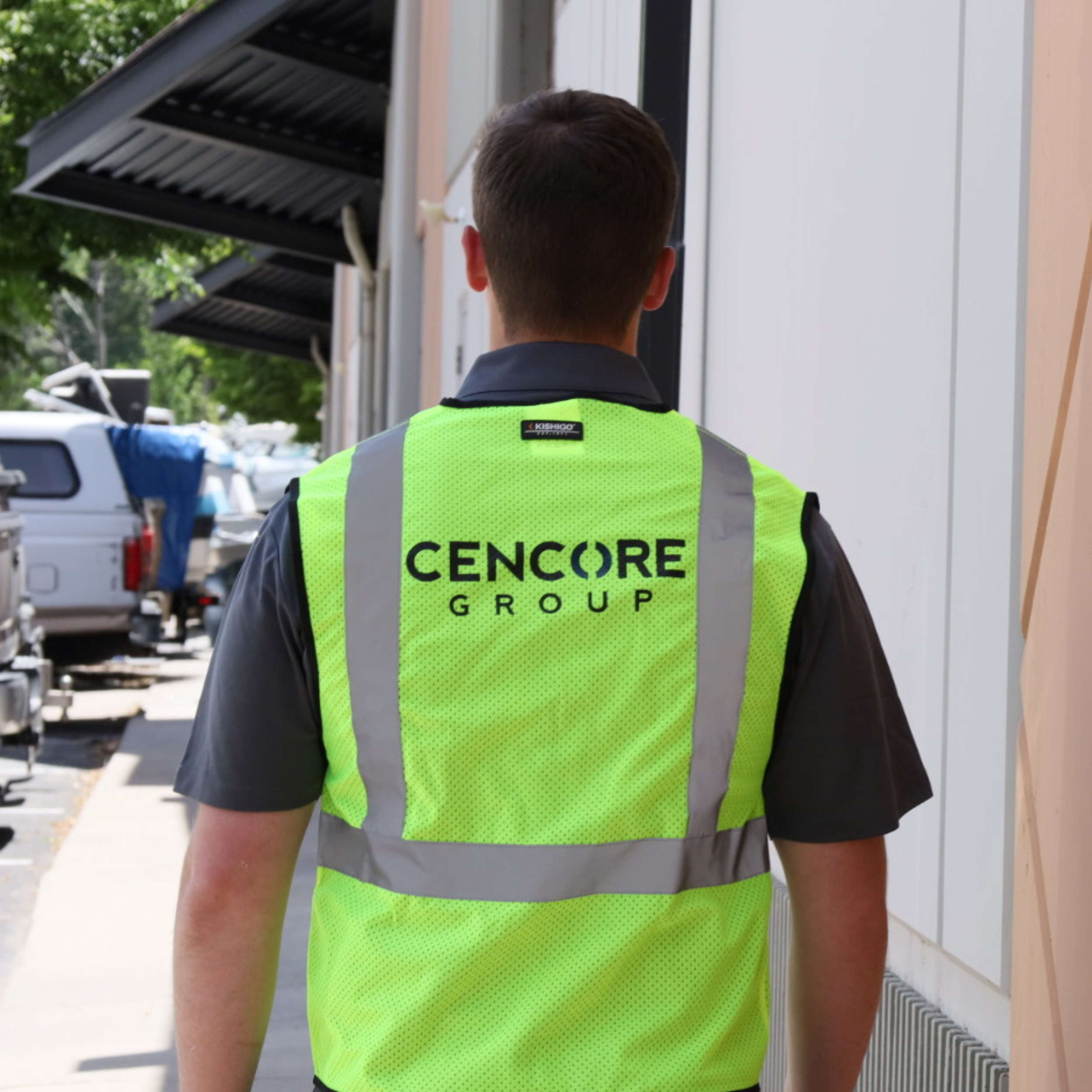
Their role is to carry out defined procedures, enforce access control, and maintain documentation. In controlled construction environments, that responsibility is clear. Construction Surveillance Technicians (CSTs) monitor activity, control access, and document work in a way that supports compliance and accreditation requirements.
That work is tied directly to both the security program and staffing levels. The value is that activity is controlled, recorded, and aligned with requirements.
Why CenCore’s Approach is Different
At CenCore, security is delivered as a structured program aligned with standards like ICD 705 and NISPOM.
Our focus is on building systems that define how access is controlled, how activity is documented, and how risk is managed over time. We ensure security operations are consistent, compliant, and measurable.
The result is a coordinated security program that supports compliance, reduces risk, and keeps operations moving.
Conclusion
Security program management makes the system work. It’s what aligns governance, compliance, and execution into a program that can be measured, maintained, and trusted.
Click here to learn how CenCore can help with your Cleared Security needs.
FAQ
What is the difference between security staffing and security program management? Security staffing focuses on placing personnel on-site to fill roles and coverage needs.
Security program management focuses on building a structured system that integrates policies, procedures, risk management, and compliance to ensure security operations are effective and aligned with requirements.
How does program management support compliance in secure environments? Program management ensures that security controls are documented, consistently applied, and aligned with regulatory requirements. Frameworks like NISPOM establish requirements for protecting classified information and preventing unauthorized disclosure, which must be actively managed.
What role does documentation play in a security program? Documentation provides verifiable proof that security controls are functioning and procedures are being followed. This includes, access logs, incident reports, movement tracking, inspection records.