Designing or upgrading a Sensitive Compartmented Information Facility (SCIF) is not a typical construction effort. These facilities exist to protect classified information and sensitive compartmented information that supports national intelligence missions. At the center of every compliant SCIF is ICD 705, the governing Intelligence Community Directive that defines how secure facilities must be designed, constructed, and accredited.
SCIF construction fails accreditation for predictable reasons: design decisions made without reference to ICD 705, construction methods not reviewed for compliance until inspection, and documentation gaps that emerge too late to fix without schedule impact. ICD 705 — the Intelligence Community Directive governing how sensitive compartmented information facilities must be designed, built, and accredited — defines requirements that must be engineered into a project from the start, not addressed at the end.
For Facility Security Officers, project managers, and construction security managers, the ICD 705 technical specification isn’t background reading — it’s the decision-making framework that determines whether a project achieves accreditation on schedule or requires costly rework.
What Is ICD 705?
ICD 705 establishes the baseline security standards for facilities that handle sensitive compartmented information across the Intelligence Community. It outlines mandatory requirements for physical security, acoustic protection, and electronic safeguards to prevent unauthorized access to national security information.
Unlike general secure rooms, an accredited SCIF must comply with ICD 705 standards throughout the entire facility, not just at doors or walls. Every element that defines the secure perimeter is evaluated as part of a unified system. A SCIF is evaluated as a unified system — not a collection of individual components. A wall assembly that meets spec means nothing if a penetration for conduit or HVAC is improperly sealed. Accreditation reviewers examine the boundary as a whole, and a single non-compliant element can require remediation that affects surrounding construction.
Why the ICD 705 Tech Spec Matters for Real Projects
The ICD 705 tech spec directly impacts how SCIFs are planned, built, and approved. Project teams that treat it as a checklist often encounter delays during inspection or accreditation. It defines what an accredited SCIF must be — and the gap between a building that looks secure and one that passes accreditation review is often rooted in early planning. Teams that engage ICD 705 requirements after design is underway frequently encounter the same problems: wall assemblies that need to be redesigned, penetrations that weren’t tracked in documentation, or security system integrations that conflict with the approved construction method.
Key implications include:
- Early design decisions affect long-term compliance
- Construction methods must align with approved SCIF requirements
- Documentation and verification are as critical as materials
Specific planning decisions that carry long-term consequences include:
- Perimeter definition: the boundary must be established and documented before construction begins, not adjusted to fit what was already built
- Penetration planning: every pipe, conduit, or duct that crosses the secure perimeter requires an approved method of protection — identified and coordinated early
- Documentation: inspection reviewers evaluate construction records, not just the finished product — gaps in documentation can fail a facility that was otherwise built correctly
In practice, ICD 705 compliance must be engineered into the project from day one and not retrofitted later.
Core ICD 705 Technical Requirements That Affect SCIF Construction
Continuous Physical Security Boundary
ICD 705 requires a continuous physical security boundary around the SCIF. A penetration discovered during inspection that wasn’t sealed to spec — a cable tray, a conduit sleeve, a gap at a deck penetration — can require opening finished walls and ceilings to remediate. Late discovery of boundary gaps is one of the most common causes of accreditation delay.
This requirement drives:
- Wall and ceiling assemblies
- Secure integration of building systems
This is why penetration logs and as-built documentation are maintained throughout construction, not assembled after the fact.
Acoustic Protection and Sound Control
Preventing the audible leakage of classified discussions is a core ICD 705 requirement. Acoustic performance is evaluated across the entire facility, including doors and access points. If speech can be understood outside the SCIF, the space may fail accreditation. Acoustic performance is evaluated across the entire boundary — walls, doors, ceilings, and any penetrations that pass through the secure perimeter. HVAC systems, electrical conduits, and other building service penetrations are common sources of acoustic leakage if not properly addressed during design. A door assembly that meets spec can be undermined by an adjacent HVAC return that was never coordinated with the security design. Failures discovered during accreditation inspection often require remediation that affects multiple systems simultaneously.
RF Shielding and TEMPEST Compliance
Some SCIFs must address radio frequency (RF) threats, where electronic emissions could expose sensitive information. In these cases, ICD 705 aligns with TEMPEST compliance requirements and requires validation by a Certified TEMPEST Technical Authority.
RF shielding considerations can include:
- Grounding and filtered power
Not every SCIF requires RF shielding, but when it does, it must be designed and validated correctly to meet ICD 705 compliance. Not every SCIF requires RF shielding — the determination is made by the Cognizant Security Authority based on mission requirements. When shielding is required, it must be integrated into the facility design from the start. Retrofitting RF shielding into an existing structure is significantly more complex and costly than building it in from the beginning.
Doors, Access, and Security Systems
SCIF doors are part of the accredited boundary and must perform at the same level as surrounding construction. ICD 705 evaluates doors as complete assemblies — frames, seals, hardware, and integration with the surrounding wall — not as standalone components.
Doors also integrate with approved security systems, such as intrusion detection systems and access controls, supporting both operational security and personnel accountability. Door assemblies also integrate with intrusion detection systems and access control systems, which must themselves be approved for use in accredited facilities. Coordination between door hardware specifications, IDS installation, and the construction schedule is a common source of delay — particularly when security system approvals aren’t initiated early enough in the project timeline.
ICD 705 and the SCIF Accreditation Process
SCIF accreditation is the formal government approval confirming a facility meets ICD 705 requirements and is authorized to handle sensitive compartmented information. Accreditation reviews both physical construction and the documented record of compliance decisions made throughout the project lifecycle.
Accreditation failures often stem from:
- Design assumptions made without Cognizant Security Authority (CSA) coordination — requirements clarified late require construction changes
- Incomplete documentation — reviewers cannot approve what wasn’t recorded, regardless of whether the physical work was done correctly
- Technical gaps discovered during inspection — penetrations, acoustic issues, or system integrations that weren’t verified during construction
Successful projects align ICD 705 standards with SCIF design and construction decisions from the outset.
Accreditation is not a final inspection — it is the culmination of decisions and documentation maintained throughout design and construction. Projects that treat it as a final step rather than a continuous process are the ones that discover problems too late to correct without impact to schedule and budget.
Applying ICD 705 to Modern SCIF Solutions
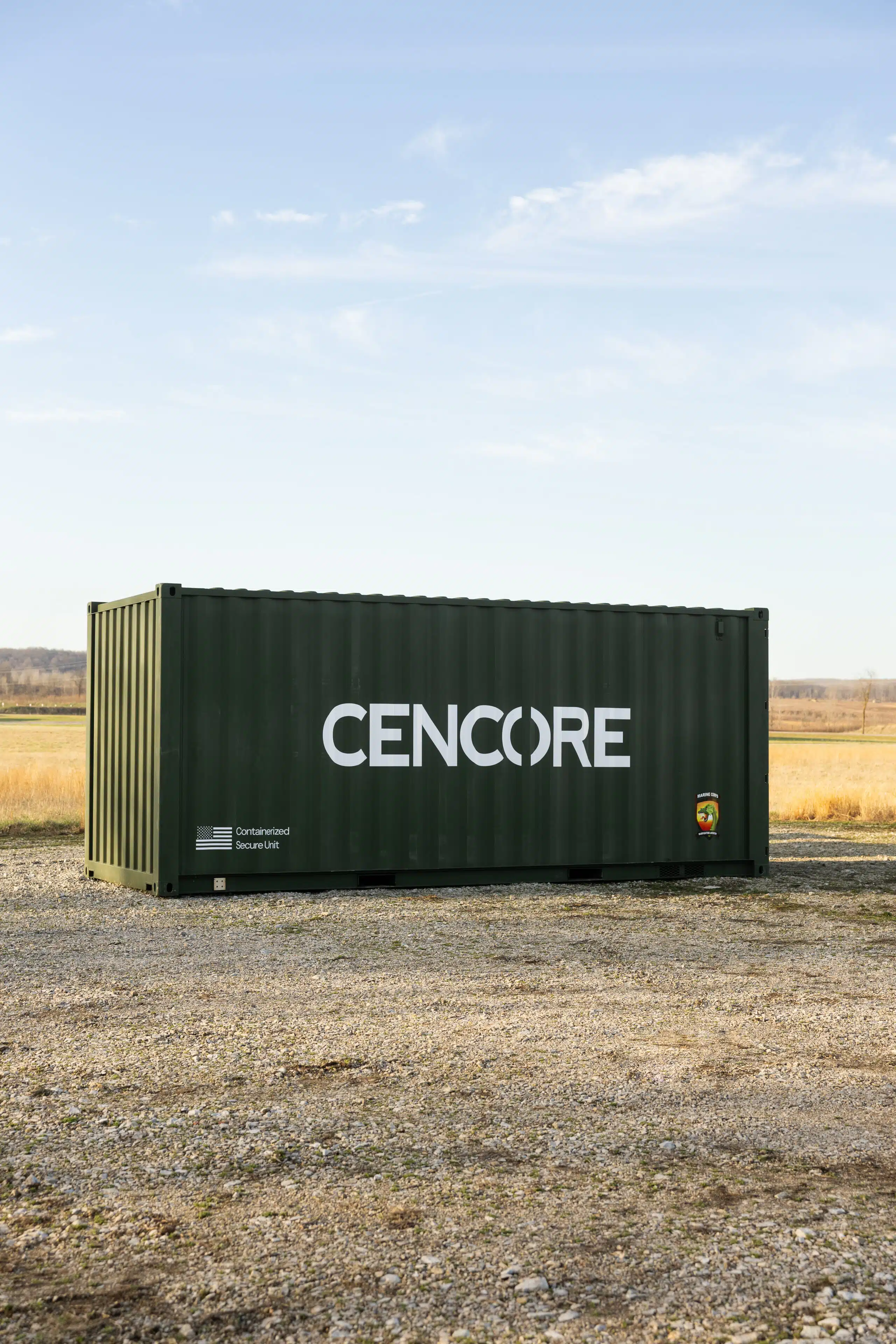
ICD 705 applies equally to permanent construction, modular SCIFs, and retrofit projects. When properly engineered, modular and prefabricated secure facilities can meet the same SCIF standards while reducing construction timelines and operational disruption.
Modular SCIF solutions present specific planning considerations: site preparation must account for the same boundary requirements as permanent construction, and relocation — if ever required — triggers reaccreditation. Prefabricated systems must arrive with documentation demonstrating factory compliance, and that documentation becomes part of the accreditation package. Teams evaluating modular solutions should confirm that the manufacturer’s product has a documented accreditation history, not just a claim of ICD 705 compliance.
Regardless of format, the same requirements apply: continuous protection, validated security systems, and documented compliance.
Why ICD 705 Compliance Reduces Operational Risk
ICD 705 compliance is about reducing operational risk to intelligence missions. Facilities that fail to protect sensitive information can jeopardize national security, delay programs, and increase long-term costs.
Teams that understand ICD 705 requirements early are better positioned to:
- Control schedules and budgets
- Achieve accreditation efficiently
The cost of ICD 705 non-compliance isn’t abstract. Accreditation failures require remediation — sometimes after finishes are complete, sometimes after systems are installed. A penetration that wasn’t sealed to spec can mean opening a finished wall. An acoustic gap discovered during inspection can mean revisiting both the construction and the security design. Documentation gaps can delay accreditation approval regardless of whether the physical facility was built correctly.
Programs that engage ICD 705 requirements at the design stage — not the inspection stage — avoid these scenarios. Early coordination with the Cognizant Security Authority, disciplined documentation practices, and construction oversight aligned to accreditation criteria are what separate projects that achieve accreditation on schedule from those that don’t.
Explore ICD 705–Compliant Secure Platforms
Whether you’re planning new SCIF construction, upgrading an existing facility, or evaluating modular secure solutions, ICD 705 compliance should be the foundation of your approach. ICD 705 requirements don’t change based on project format, timeline, or budget — but the execution decisions that determine whether a project meets those requirements start well before construction does.
Review CenCore’s ICD 705-Compliant Secure Platforms
Frequently Asked Questions
Is ICD 705 required for all SCIFs? Yes. Any facility intended to store, process, or discuss sensitive compartmented information must comply with ICD 705 standards to receive SCIF accreditation. While individual agencies may impose additional requirements, ICD 705 serves as the baseline across the Intelligence Community.
Does ICD 705 apply only to permanent facilities? No. ICD 705 applies to permanent facilities, modular SCIFs, and retrofitted secure spaces. Regardless of format, the facility must meet the same security requirements for physical protection, information security, and accreditation approval.
Does every SCIF require RF shielding or TEMPEST compliance? Not every SCIF requires RF shielding. TEMPEST compliance and radio frequency protection are applied based on mission needs and direction from the Cognizant Security Authority. When required, shielding must be validated by a Certified TEMPEST Technical Authority and integrated into the facility’s overall security design.