Prefabricated SCIF vs. Traditional SCIF Construction: Why a Modular SCIF Reduces Project Risk
June 22, 2026
A Sensitive Compartmented Information Facility (SCIF) is one of the most compliance-intensive construction projects a program manager or facilities leader will oversee. Both modular SCIFs and traditional SCIFs are designed to protect classified information and sensitive compartmented information. RF shielding, acoustic isolation, penetration controls, and structural continuity must all meet ICD 705 standards (Intelligence Community Directive 705) before accreditation is granted.
The decision between modular and traditional SCIF construction is ultimately a risk decision. Both approaches can deliver a compliant secure facility, but they do not carry the same level of risk across schedule, cost, and accreditation.
What Is the Difference Between Modular and Traditional SCIF Construction?
Traditional SCIF Construction
Traditional SCIF construction is sequential and site-based. Trades execute work in phases, and each phase must pass inspection before the next begins. ICD 705 standards, the Technical Specifications (Tech Spec), and the Fixed Facility Checklist (FFC) define what must be built, how it needs to be installed, and how it must be documented.
Construction, inspections, and documentation have to all work together throughout this process.
Minor deviations can stop progress such as an improperly installed RF shielding layer or a deviation from SCIF design requirements. In cases like this work must be corrected, re-documented, and re-inspected before construction can continue.
Modular (Prefabricated) SCIF Construction
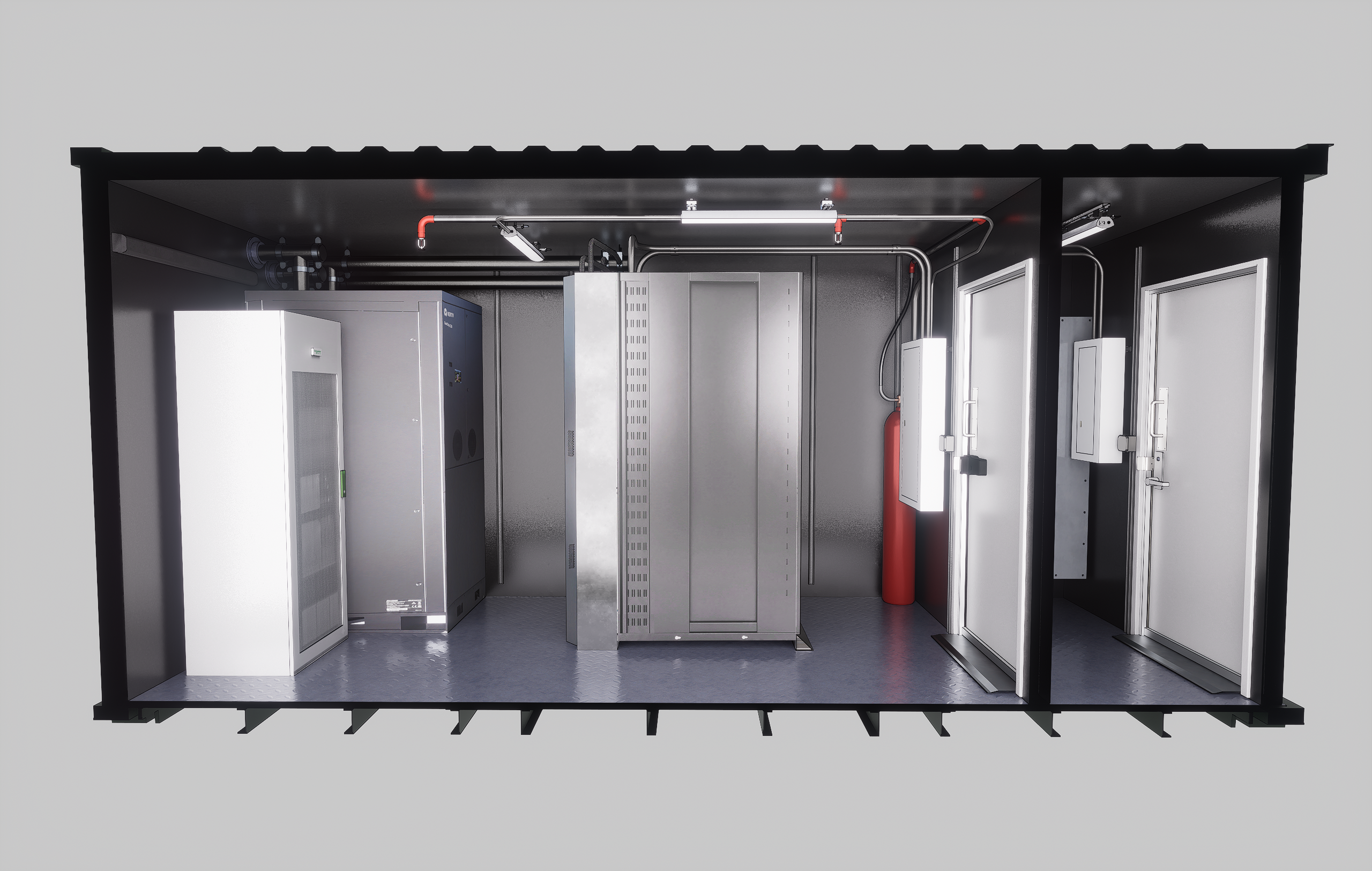
A modular SCIF shifts much of that risk off-site. These facilities are fabricated in a controlled environment and delivered as complete or near-complete systems. All SCIF requirements like RF shielding and physical security are integrated during fabrication. Documentation is created as the work is performed instead of being reconstructed later.
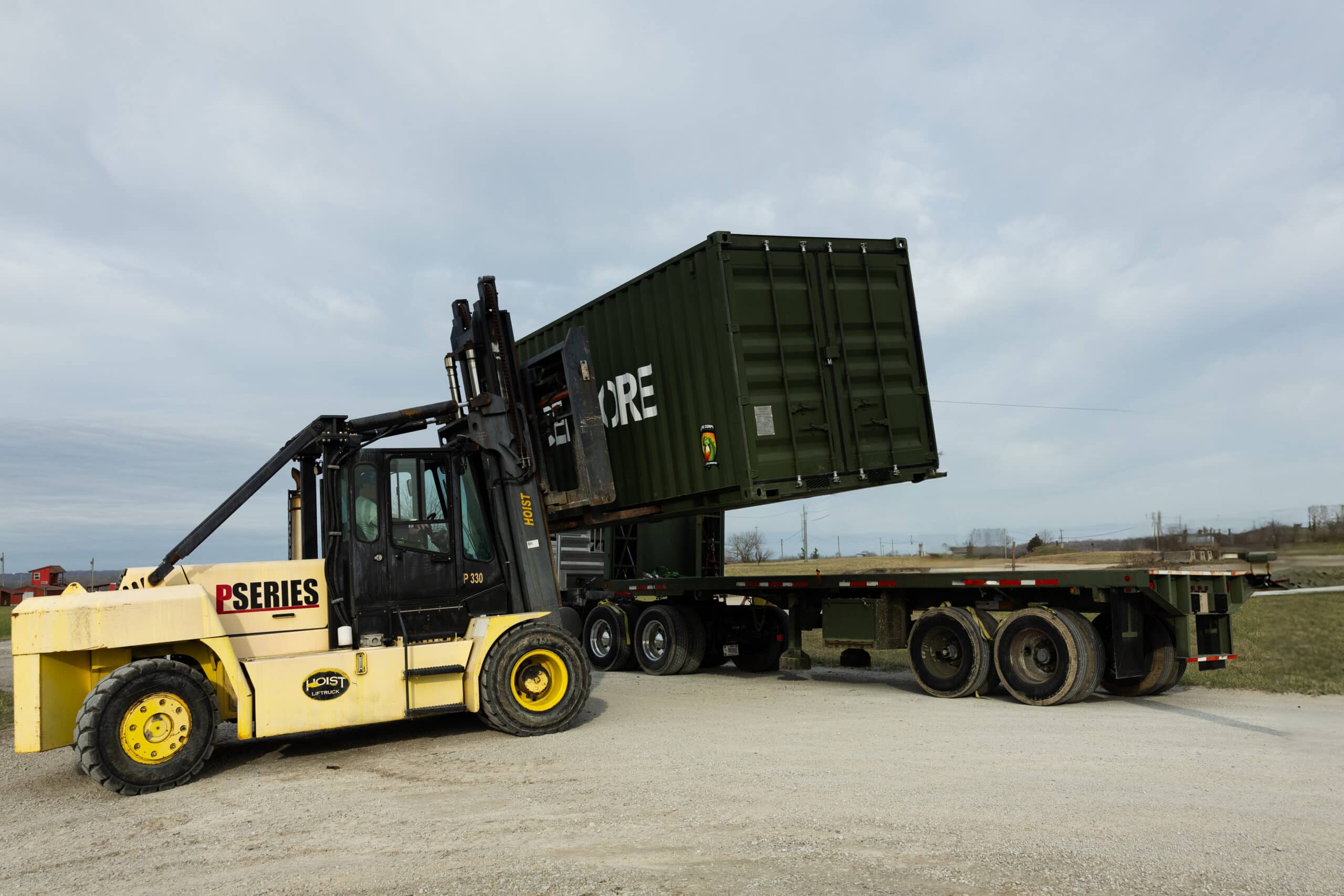
Modular SCIFs can be delivered in several formats depending on mission needs. A container SCIF, often built on an ISO shipping container, supports rapid deployment and relocation. Portable SCIF systems can be redeployed across multiple sites, while modular SCIF rooms allow secure environments to be installed inside existing facilities without major structural disruption. Larger modular SCIF buildings provide scalable infrastructure for long-term programs.
In some cases, SCIFs may also align with requirements for a Special Access Program Facility (SAPF), which follows similar security and construction standards.
Traditional vs. Modular SCIF: At a Glance
Factor
Traditional SCIF Construction
Modular SCIF Construction
Schedule
Sequential inspections drive timeline
Parallel fabrication and site prep
Consistency
Dependent on field conditions
Controlled manufacturing environment
Documentation
Compiled during construction
Completed during fabrication
Change Order Risk
High with AO coordination
Reduced with defined scope
On-Site Exposure
Extended presence of trades
Limited to installation activities
Flexibility
Fixed facility
Relocatable and scalable solutions
Why Project Risk Is Higher in Traditional SCIF Construction
1. Site-Based Uncertainty
Traditional construction is exposed to environmental and operational variability. This causess challenges that are difficult to control such as weather or trade coordination.
Delays in SCIF construction can cause issues in the inspection sequencing and coordination with the Accrediting Official (AO). With these delays the accreditation timeline shifts affecting the program delivery date.
2. Complex Compliance and Documentation
SCIF construction needs precise execution across RF shielding continuity, acoustic isolation, controlled penetrations, and perimeter integrity. Every component needs to align with technical specifications and be documented against the Fixed Facility Checklist.
During this process improper documentation tends to cause most of the delays. If installation records or material certifications are missing, compliance can’t be verified, even when the work meets standards.
3. Higher Risk of Errors and Rework
Site-built SCIF construction introduces variability that directly affects security performance. Issues in RF shielding or improperly sealed acoustic joint, or an unrecorded penetration can require finished work to be reopened.
Most of the time these errors can’t be quickly repaired. After fixing these issues the construction will need to wait for inspection and re-documentation. Any error can directly affect electromagnetic protection, acoustic control, and overall physical security, all of which are critical to protecting sensitive compartmented information.
4. Budget and Schedule Volatility
Changes in SCIF construction carry additional administrative requirements. A modification often requires a security review with AO approval, followed by updates to documentation packages before work can proceed.
This reduces flexibility and increases the chances of delays and for programs that are on a fixed timeline these delays can be hard to handle.
How Modular SCIFs Reduce Project Risk
1. Controlled Manufacturing Improves Consistency
Modular SCIF construction eliminates many of the variables associated with on-site work. Fabrication occurs in a controlled environment, where processes are standardized and repeatable.
RF shielding is installed to specification, penetrations are logged as they are created, and material certifications are captured in real time. This approach helps reduce variability and allows consistent compliance with ICD 705 standards.
2. Parallel Construction Accelerates Timelines
One of the most significant advantages of modular construction is the ability to work in parallel. While the SCIF is manufactured off-site, site preparation and utility work can proceed simultaneously.
This significantly reduces total project timelines and supports rapid deployment, especially for missions requiring immediate operational capability such as containerized SCIF or mobile solutions.
3. Reduced On-Site Exposure and Disruption
Traditional SCIF construction requires extended on-site presence from multiple trades, increasing personnel vetting requirements and access control complexity.
Modular SCIF delivery reduces on-site activity to installation, utility connections, and final inspection. This minimizes disruption within existing facilities and simplifies the management of secure construction environments.
4. More Predictable Costs
Modular SCIFs are built using defined specifications, fixed material quantities, and standardized labor processes. This significantly reduces variability and limits the risk of change orders.
Common cost drivers in traditional construction like material substitutions and rework are tightly controlled in a manufacturing environment, improving overall cost predictability.
5. Streamlined Path to Accreditation
Modular SCIF construction produces a complete documentation package during fabrication, including installation records, material certifications, and RF shielding validation.
When reviewed against the Fixed Facility Checklist, this documentation reflects work completed under controlled conditions. While final accreditation remains dependent on the AO, this approach removes one of the most common sources of delay in SCIF construction: incomplete or inconsistent documentation.
6. Flexibility for Evolving Missions
Modular SCIF solutions provide better flexibility compared to traditional construction that create fixed SCIF facilities.
Container SCIF and mobile SCIF systems can be relocated as missions change. Modular SCIF rooms can also be reconfigured within existing facilities. This flexibility allows secure infrastructure to evolve alongside operational requirements.
When a Modular SCIF Makes the Most Sense
Modular SCIF construction is particularly effective when speed and flexibility are required. It is well suited for rapid deployment environments, projects within existing facilities, programs with strict budgets, and missions that may change over time.
When constraints like compressed schedules or limited facility access, the advantages of modular construction become even more significant.
The Bottom Line: Same Standards, Different Risk Profile
Both traditional and modular SCIF construction can meet ICD 705 standards and deliver a compliant SCIF facility.
The difference is in how risk is managed. Traditional construction introduces variability through site conditions, sequential processes, and documentation challenges. Modular SCIF construction moves those risks into a controlled environment, where manufacturing consistency, parallel workflows, and complete documentation reduce uncertainty.
This can provide program managers and facilities leaders greater control over the variables that lead to delays, cost overruns, and accreditation issues.
Explore CenCore Secure Infrastructure Solutions
CenCore delivers modular SCIF solutions designed for rapid deployment, integration into existing facilities, and long-term flexibility. We provide containerized SCIF systems, modular SCIF rooms and full SCIF construction support. Our approach reduces risk while maintaining strict compliance with ICD 705 standards.
Cleared Security Jobs in San Antonio, TX: Opportunities for CSTs, Security Escorts, and Access Control Personnel
San Antonio continues to be one of the nation’s leading hubs for defense, intelligence, and government-related operations, creating demand for professionals who can support secure facilities and mission-critical programs. For individuals interested in cleared security careers in San Antonio, the region offers opportunities that extend beyond traditional security officer jobs and into specialized positions supporting […]
Mobilize the Industrial Base
6 min read
Command and Control at the Tactical Edge: How Mobile SCIFs Enable Secure Communications
With the changing landscape of warfare, modern command and control depends on the ability to effectively communicate at the edge through networks and communication equipment. Defense teams operating in distributed environments also need protected places where authorized personnel can access classified information and coordinate decisions securely. That requirement becomes harder to meet at the tactical […]
Physical Security
6 min read
Why Secure Manufacturing is Essential For Mission Critical Projects
Manufacturing for government, defense, and mission-critical programs requires a different approach from the ordinary product manufacturing process. Customers also need confidence in the people, materials, facilities, and processes behind that product. Secure manufacturing provides that confidence by integrating security throughout production. It combines trusted personnel, controlled manufacturing environments, supply chain controls, configuration management, documented quality […]