In any SCIF building, decisions aren’t made around individual features. They’re made around whether that feature affects security, compliance, and accreditation in a Sensitive Compartmented Information Facility designed to prevent surveillance, interception, or data loss.
The Short Answer
Yes, a SCIF can have windows.
But that answer depends entirely on whether the feature can meet SCIF requirements tied to physical security, technical security, and ongoing compliance. That’s the key difference in SCIF design: it needs to have the ability to be secured, tested, and approved within ICD 705 standards.
Why SCIF Rules Feel “Overly Specific”
SCIF construction isn’t built like a regular project.
It’s designed as a secure facility system, where every component protects sensitive information.
- Walls must reduce acoustic and RF leakage
- Penetrations (ducts, conduit, pipes) must be controlled
- Line-of-sight into the secure room must be eliminated
- Materials must prevent electronic surveillance or signal escape
That’s why details like SCIF wall construction, penetrations, and sealing methods matter just as much as the outer perimeter.
Windows Are Just One Piece of the Puzzle
Windows raise concerns across multiple layers of risk:
- electronic signal vulnerability.
Windows fall into the same category as other “edge-case” design questions in SCIF construction. The real issue isn’t the window itself, but whether it compromises the continuous secure boundary required in a SCIF room.
Other Questions That Come Up in SCIF Design
Once you start planning a SCIF, the “window question” quickly turns into others:
- Can a SCIF share walls with other spaces?
- How are penetrations handled in reinforced walls?
- Do ceiling voids or raised floors create risk?
- Can an existing office location become a secure space?
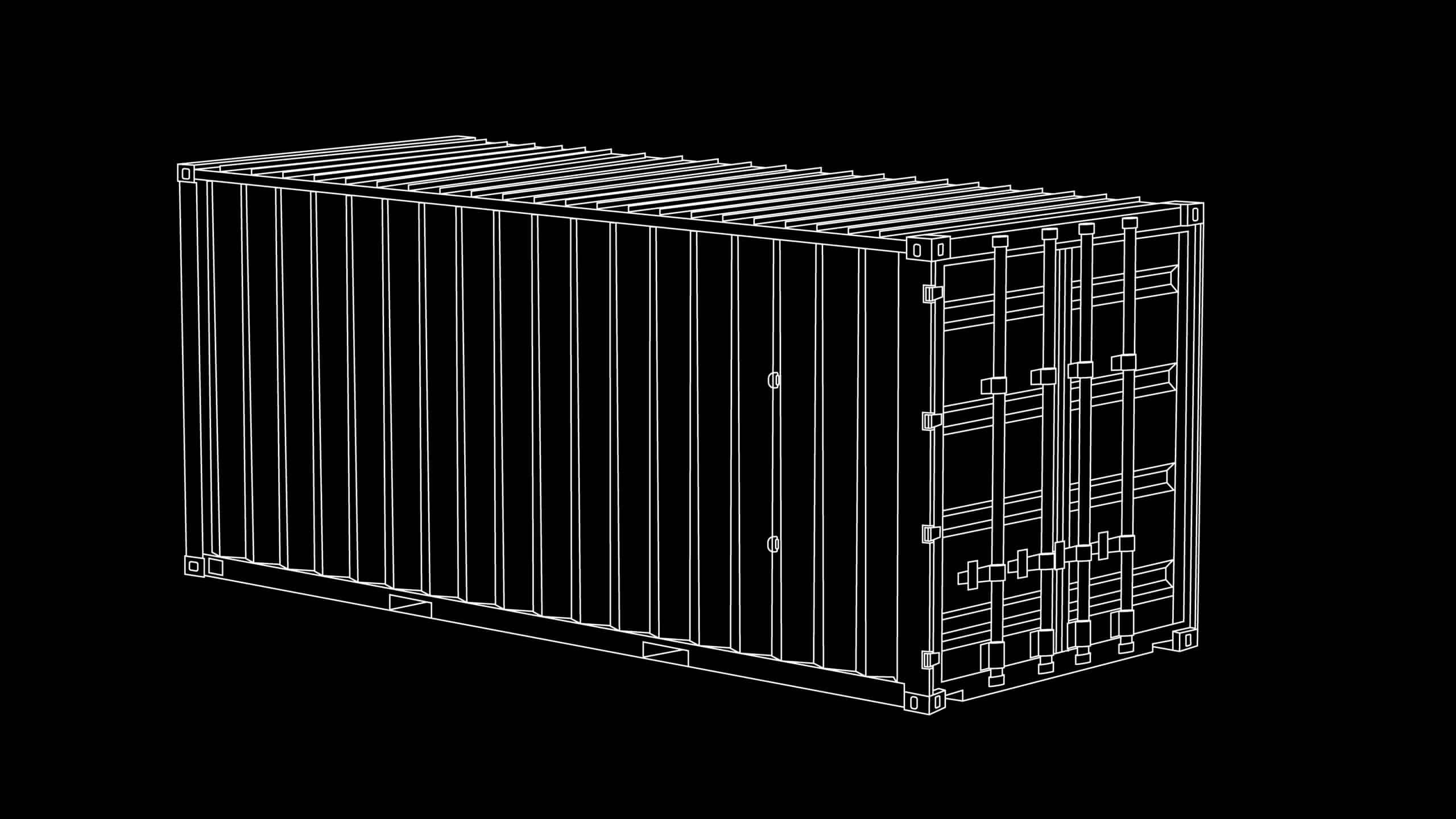
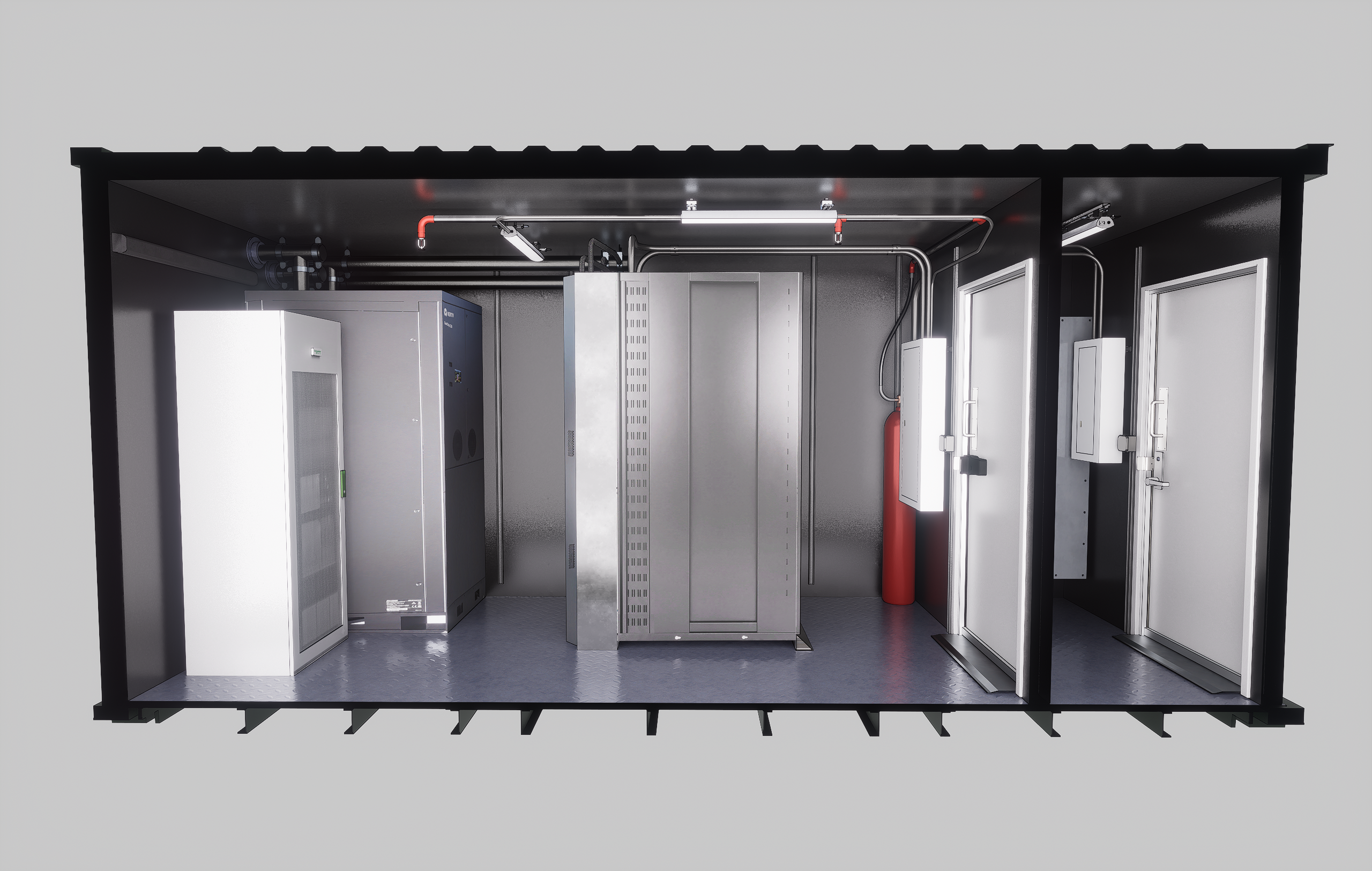
- Are container SCIFs or portable SCIFs treated differently?
They’re all part of how SCIF specifications manage perimeter integrity and risk across the facility.
What Actually Drives SCIF Construction Decisions
Every design element must support protection of sensitive information across physical, acoustic, and electronic domains.
That includes:
- RF shielding and sound control
- Controlled penetrations and seals
- Integrated security systems like intrusion detection systems
- Layered design principles (often called “security in depth”)
Even small details affect performance, which is why specifics like scif walls thickness and assembly methods are tightly controlled.
What This Means for Facilities & Security Stakeholders
The takeaway for contractors planning out a SCIF design is simple:
Start with risk and compliance and not features.
Something that looks minor (like a window or shared wall) can impact accreditation timelines, construction security plans and long-term operational compliance.
Bottom Line
Yes, SCIFs can have windows, but that question misses the real point.
SCIF construction is about building a secure facility that protects sensitive information. If it meets the standard, it works. If it introduces risk, it doesn’t get approved.
Explore Secure SCIF Solutions
CenCore helps organizations design, build, and secure compliant environments without delays or rework.
Explore CenCore’s secure platforms →
FAQs
Can a SCIF be built in an existing office location? Yes, but converting an existing office location into a SCIF room depends on whether it can meet SCIF requirements, including structural, acoustic, and technical security controls. Retrofit projects often require significant modification to achieve compliance.
Are container SCIFs or portable SCIFs held to the same standards? Yes—whether it’s a container SCIF, modular SCIF, or fixed facility, all must meet the same ICD 705 standards for protecting sensitive information, even if the construction approach differs.
Why are penetrations like ducts and pipes a concern in SCIF construction? Penetrations create potential paths for electronic surveillance, signal leakage, or acoustic transfer, which is why SCIF specifications require strict control, sealing, and mitigation methods.
What role does RF shielding play in a SCIF building? RF shielding is part of technical security that prevents signals from entering or leaving the secure facility. It’s critical in protecting against interception and is often integrated directly into walls, ceilings, and other construction elements.