Manufacturing for government, defense, and mission-critical programs requires a different approach from the ordinary product manufacturing process. Customers also need confidence in the people, materials, facilities, and processes behind that product.
Secure manufacturing provides that confidence by integrating security throughout production. It combines trusted personnel, controlled manufacturing environments, supply chain controls, configuration management, documented quality processes, and production traceability to help protect product integrity through the whole process.
What Is Secure Manufacturing?
Secure manufacturing is a controlled production approach that incorporates personnel security, facility security, secure supply chains, quality assurance, configuration management, and documented chain of custody.
Traditional manufacturers typically focus on production capability, quality, cost, and efficiency. Secure manufacturing goes further by tracking who had access to the product through manufacturing, where the materials originate, approved configurations, and documentation through the whole process.
These are important when manufacturing supports sensitive infrastructure, secure facilities, or systems used in mission-critical environments.
Security Across the Manufacturing Process
Manufacturing security can span across both physical and technological. Being able to implement both cyber security and physical security effectively can minimize the risk throughout the secure manufacturing process.
Physical access, personnel, materials, documentation, and the production environment can all affect manufacturing integrity. Effective security measures establish accountability for what enters the facility, who interacts with the product, and how work progresses through production.
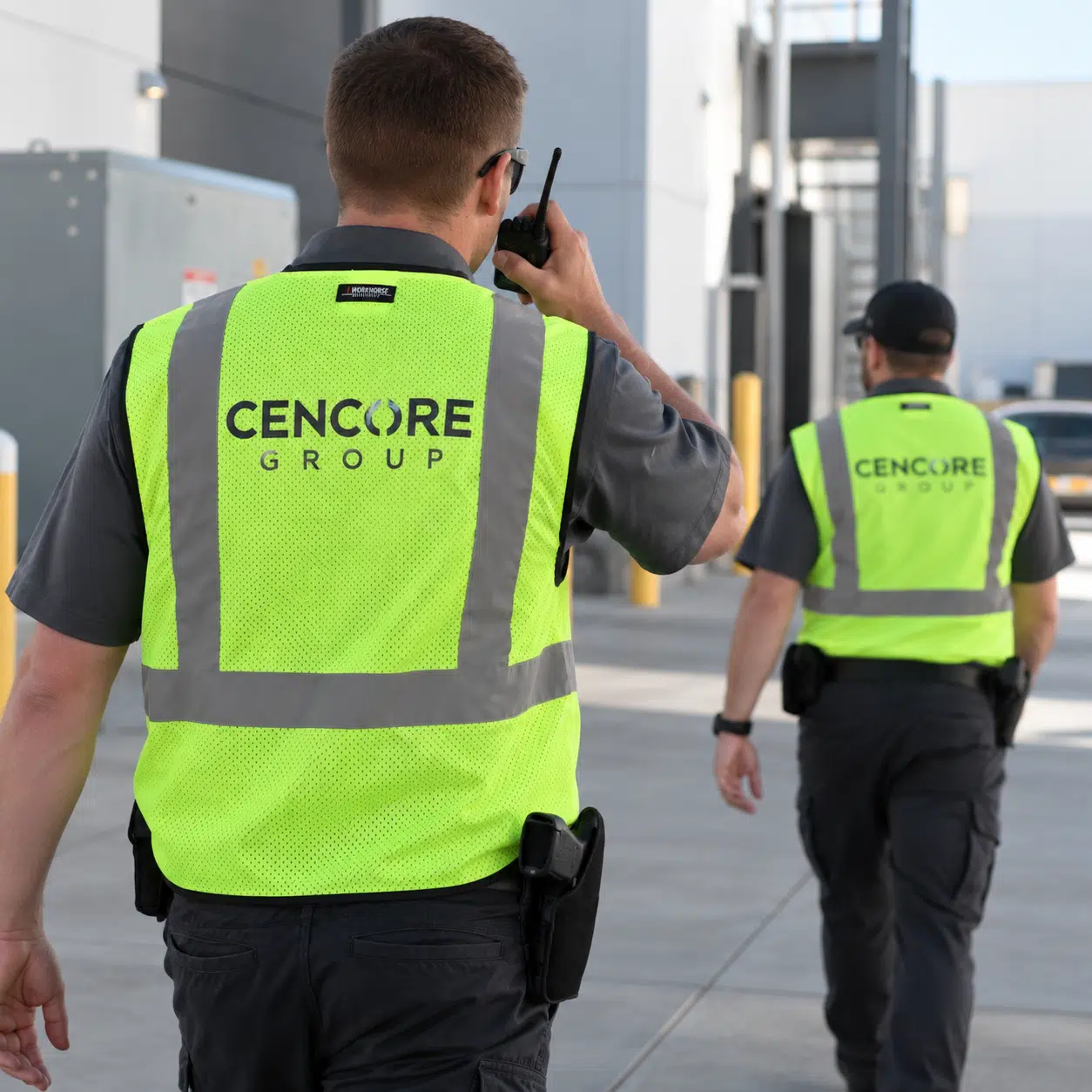
CenCore’s secure manufacturing program uses a 100% U.S. citizen workforce with cleared personnel operating in controlled environments. Its manufacturing facilities are supported by access controls, intrusion detection systems, visitor management procedures, construction surveillance technicians, monitored workspaces, and documented security processes.
This layered security approach can also help protect sensitive information, intellectual property, proprietary designs, and controlled project details throughout manufacturing.
Bringing Secure-Environment Expertise Into Manufacturing
Secure manufacturing becomes particularly important when products are intended for SCIFs, SAPFs, secure data centers, command units, or other protected environments.
CenCore manufactures containerized, modular, and panelized platforms for mission-critical applications. These offerings include SCIF solutions, container data centers, mobile command units, modular shelters, and shielded enclosures. These platforms are designed to support requirements associated with ICD 705, TEMPEST for SCIF or SAPF accreditation.
The security requirements of these environments must be built into the manufacturing, not added after production is complete. CenCore incorporates approved Construction Security Plans and Construction Surveillance Technician oversight into its secure manufacturing program. CSTs bring experience in surveillance, material handling, access control, documentation, vulnerability identification, and applicable ICD 705 requirements.
Working this expertise into the production process helps maintain the high security standards of the manufactured product and create full trust in the final product.
Protecting the Supply Chain
A manufacturer cannot protect product integrity without understanding the materials and components entering production. Supply chain vulnerabilities can create opportunities for counterfeit materials, unauthorized substitutions, or components that cannot be properly verified.
Using documented sourcing, receiving, inspection, and material-tracking processes are designed to:
- Maintain material accountability
- Help prevent unauthorized substitutions
- Preserve visibility throughout production
These controls establish a clearer connection between procurement, inspection, and manufacturing. They are especially relevant to products intended for secure environments, where the source and condition of materials can affect confidence in the finished product.
Creating a Traceable Production History
Traceability is a defining feature of secure manufacturing. Configuration management and chain-of-custody documentation create a production history that follows the product throughout manufacturing.
This documentation helps establish:
- Which materials and components were used
- Whether approved configurations were maintained
- Which inspections were completed
- How the product moved through production
CenCore uses controlled configuration processes, inspection records, and chain-of-custody documentation to maintain production accountability and provide customers with confidence in finished-product integrity.
Traceability also supports risk management. If a material or quality concern arises, the production history provides a documented foundation for investigating the issue.
Where Security and Quality Work Together
Security and quality should work hand and hand. Security controls protect access, materials, configurations, and custody, while quality controls help maintain consistency across manufacturing processes.
CenCore’s ISO 9001-aligned Quality Management System includes documented inspections, non-conformance tracking, and continuous process improvement. Combined with secure supply chain controls and production traceability, these processes support both product quality and manufacturing integrity.
The result is more than a completed platform or component. Customers receive a product supported by a documented production history and a manufacturing process built around security, quality, and accountability.
Choosing a Secure Manufacturing Partner
Organizations evaluating manufacturers for sensitive or mission-critical work should look beyond equipment and production capacity. A secure manufacturing partner should be able to provide trusted and vetted personnel, controlled production environments, and documented supply chain process.
With products supporting SCIFs and other secure environments, an understanding of Construction Security Plans, CST oversight, controlled materials, and applicable accreditation requirements provides additional value.
The right manufacturing partner should deliver both a quality finished product while providing confidence of the production process behind it.
Manufacturing Built Around the Mission
As threats to the manufacturing sector evolve, protecting mission-critical products requires a broader view of security. To maintain security the process must be supported by physical controls, trusted personnel, secure supply chains, documented inspections, and traceable production histories.
Secure manufacturing brings those disciplines together. By incorporating secure-environment expertise, CST oversight, controlled manufacturing facilities, quality management, and end-to-end accountability, CenCore helps protect product integrity throughout production.
Contact CenCore to discuss secure manufacturing for your next SCIF platform, modular system, containerized solution, or mission-critical infrastructure project.
Frequently Asked Questions (FAQ)