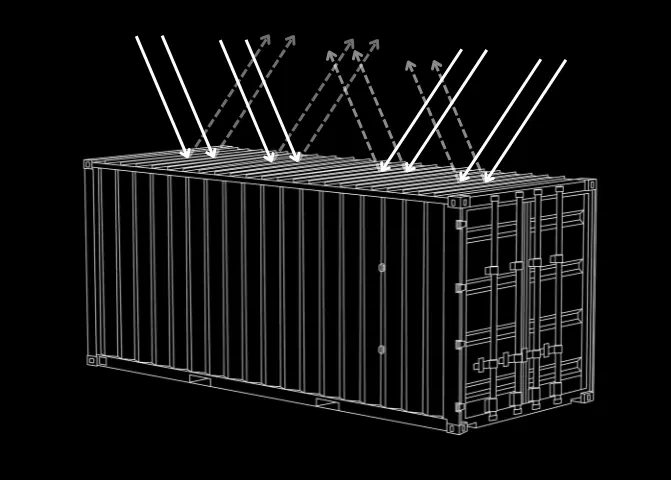
Electromagnetic interference (EMI) is the disruption of an electronic system caused by unwanted electromagnetic energy. EMI can affect communications equipment, sensitive electronics, critical infrastructure, and mission-essential operations by interfering with signals, degrading system performance, or disrupting normal functionality.
As organizations become increasingly dependent on digital communications, networked systems, and electronic infrastructure, understanding electromagnetic interference is becoming a critical part of operational resilience. With radio frequency interference, electromagnetic emissions, and high-altitude electromagnetic pulse (HEMP) threats, organizations must evaluate how electromagnetic events could affect their facilities, communications, and continuity of operations.
In this blog we will explore what electromagnetic interference is, the different types of EMI, the threats it can pose to critical facilities, and how solutions such as EMI shielding, shielded rooms, RF shielded enclosures, and HEMP-protected structures help reduce risk.
What Is Electromagnetic Interference (EMI)?
Electromagnetic interference is an electromagnetic disturbance that affects the performance of an electronic device, electrical device, or electronic system. It occurs when unwanted electromagnetic energy disrupts the normal operation of equipment, communications infrastructure, or sensitive technology.
In simple terms, electromagnetic interference occurs when unwanted signals, electromagnetic waves, or electromagnetic radiation interfere with the intended operation of a system.
Why Electromagnetic Interference Matters
For mission-critical facilities, the consequences of this interference or disruption of a signal can be significant.
Many of these places rely on secure signal transmission, wireless communication networks, communications equipment, control systems, and highly sensitive electronic devices. When interference affects these systems, organizations may experience:
- Communication disruptions
- Reduced system reliability
- Operational interruptions
- Loss of situational awareness
As technology becomes more sophisticated, maintaining electromagnetic compatibility (EMC) between systems becomes increasingly important. Electromagnetic compatibility refers to the ability of electronic systems to operate correctly without causing or experiencing harmful interference.
Understanding Modern Electromagnetic Threats
Electromagnetic interference can impact communications, sensitive electronic systems, operational technology, and mission-critical infrastructure.
While EMI is often caused by nearby radio frequency sources or electrical equipment, organizations operating secure facilities must also consider more advanced electromagnetic threats.
These may include:
- Radio frequency interference (RFI)
- High-power radio frequency environments
- Electromagnetic emissions from nearby systems
- Signal exploitation concerns
- Electronic warfare activities
- High Altitude Electromagnetic Pulse (HEMP) events
As reliance on technology continues to grow, protecting critical operations from electromagnetic threats is becoming an increasingly important component of facility security.
Why Traditional Buildings Provide Limited Protection
Most commercial buildings aren’t designed to completely stop something like electromagnetic energy.
Windows, doors, utility penetrations, and HVAC systems can all create pathways for electromagnetic signals to enter or exit a facility. As a result, sensitive communications, electronic systems, and classified operations may remain vulnerable to external interference.
For these facilities that can’t afford operational disruptions, facility-level electromagnetic protection is often required.
RF Shielded Enclosures, Shielded Rooms, and EMI Protection
An RF shielded enclosure, shielded room, or EMI enclosure helps create a controlled electromagnetic environment by reducing the transmission of unwanted electromagnetic energy.
These solutions are commonly used in:
- Critical infrastructure sites
- Secure testing environments
Unlike traditional construction, shielded environments are specifically designed to support communications security, and electromagnetic resilience.
At Cencore, we design and deliver EMI and HEMP shielding solutions, including modular and containerized shelters engineered to support mission-critical operations in demanding environments.
Facility-Level EMI and HEMP Protection
Understanding electromagnetic interference is only the first step. Companies that maintain secure communications, national security operations, and critical infrastructure must also evaluate how those threats could affect their facilities.
As electromagnetic threats continue to evolve, the importance of moving beyond device-level protection and implementing facility-scale shielding solutions is essential.
Cencore specializes in advanced EMI shielding systems, RF shielded enclosures, shielded rooms, and HEMP-protected modular facilities designed to help organizations maintain operational readiness in complex electromagnetic environments.
Whether the requirement is a secure communications space, a shielded facility, or a fully containerized HEMP-hardened shelter, Cencore delivers scalable protection solutions for secure communication spaces, shielded facilities and fully containerized HEMP-hardened shelters, that support long-term resilience and mission assurance.
Learn more about Cencore’s HEMP & EMI Shelters.
Frequently Asked Questions (FAQ)