Access control security is the first line of defense against threats against critical assets and information. For facilities pursuing or maintaining accreditation, access control directly impacts compliance and risk management.
That’s why organizations rely on trained access control specialists instead of basic personnel or standalone systems. Expertise becomes essential when working in secure facilities where every credential and entry point matters.
What Is Access Control Security in Secure Facilities?
To put it simply, access control security is the process of managing who can enter a facility and when they can access it.
In secure environments, this involves a combination of:
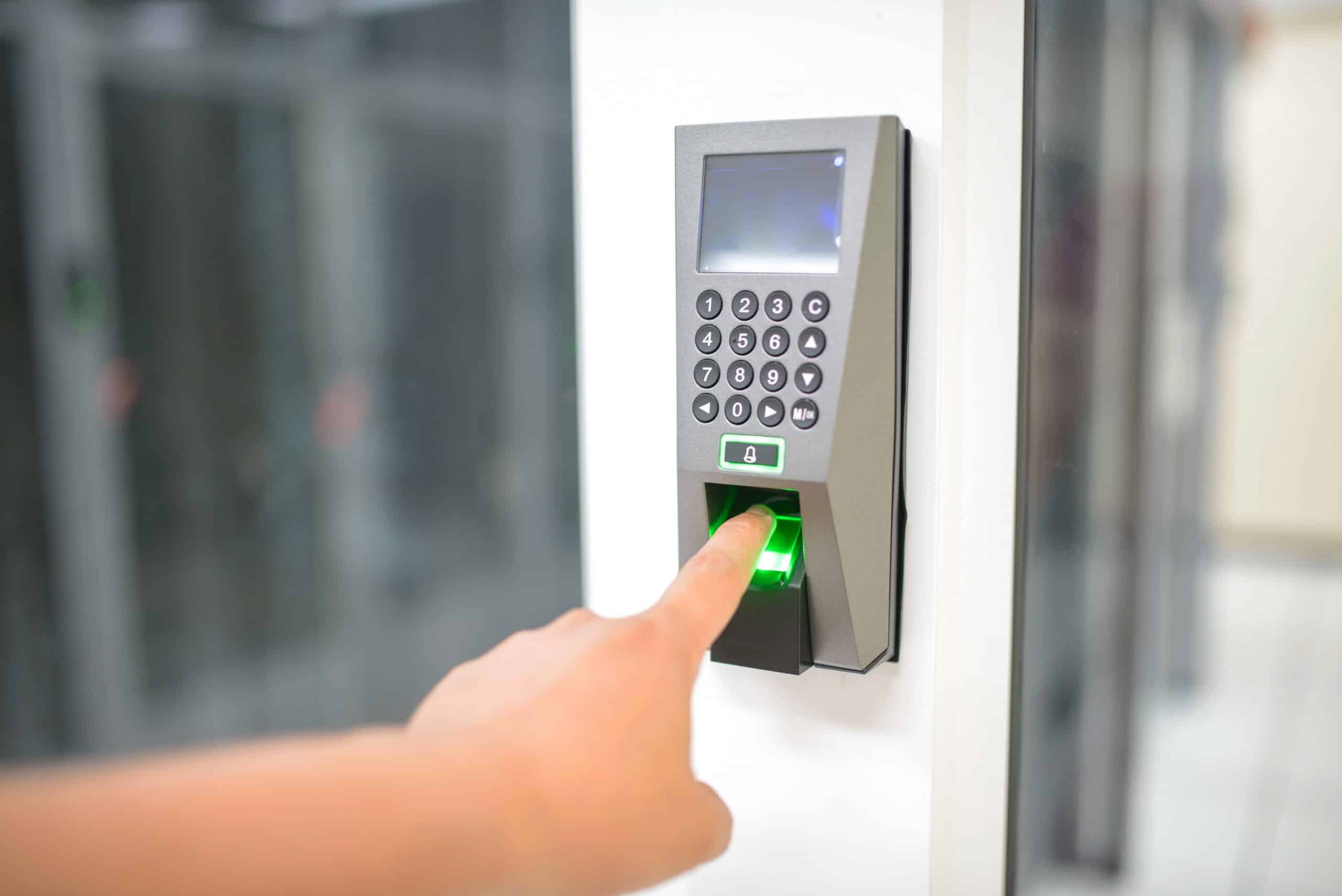
- Physical access control systems (badge readers, biometric authentication, intercom systems)
- Video surveillance and monitoring tools
- Credential management, including key cards, mobile credentials, or key fobs
- Policies that govern visitors, contractors, and personnel
An effective access control system ensures that only authorized individuals gain entry while preventing unauthorized access or unauthorized entry.
However, even the most advanced control systems require trained professionals to enforce policies and respond to real-world scenarios.
Why Access Control Specialists Matter for Accreditation
Facilities working toward accreditation like SCIFs or government sites must follow strict standards around access, monitoring, and personnel control.
This is where access control specialists become critical.
An access control security guard in a high-security facility is responsible for far more than checking IDs. Their role includes:
- Verifying credentials and enforcing clearance-based access
- Monitoring access points, security cameras, and alarm systems
- Managing visitor control and escorting non-cleared personnel
- Preventing unauthorized access through real-time decision-making
- Maintaining logs and documentation for audits and compliance reviews
These activities directly support accreditation requirements by creating an accountable and controlled environment.
Without this level of oversight, even a well-designed access control solution can fall short during inspections or audits.
The Role of Access Control Security Guards in Daily Operations
In practice, access control security guards act as the frontline enforcement layer of your security system. While technology enables access, they ensure it is used correctly.
On a daily basis, they:
- Manage entry at secured doors and checkpoints
- Validate credentials such as badges, keys, and biometric authentication
- Monitor surveillance systems for suspicious activity
- Coordinate with broader security teams on incident response
- Support intrusion detection and alarm response
They also play a vital role in visitor management, ensuring that every visitor is accounted for, properly escorted, and restricted to approved areas.
This combination of human oversight and system integration strengthens the overall security, reducing risk for these facilities.
Why Technology Alone Isn’t Enough
Many organizations invest heavily in commercial access control systems, security cameras, and alarm systems, but can still face glaring issues with their overall security.
That’s because systems alone cannot:
- Detect behavioral red flags or insider threats
- Adapt to unexpected situations
- Enforce policies consistently across shifts
- Respond immediately to security risks in a nuanced way
A fully effective access control solution combines technology with trained personnel.
Access control specialists bridge the gap between digital tools and physical enforcement, ensuring that systems work as intended in real-world conditions.
How CenCore Access Control Specialists Support Secure Facilities
CenCore delivers a complete access control security solution tailored to high-security environments.
Cleared Professionals Ready for High-Security Environments
CenCore’s access control specialists hold active TS and TS/SCI clearances, allowing immediate deployment into classified or regulated facilities.
Expertise in Access Control Systems and Compliance
Their teams are trained to operate advanced access control systems, including credential-based entry, biometric access control systems, and integrated surveillance environments. This ensures seamless alignment with accreditation standards.
Full-Scope Access Control and Visitor Management
CenCore specialists support:
- Credential verification and access enforcement
- Visitor processing and security escort operations
- Monitoring of surveillance and security systems
- Real-time response to unauthorized access attempts
This ensures consistent enforcement of access control policies across every layer of the facility.
Scalable and Flexible Deployment
Whether supporting a new construction project, a renovation, or an operational facility, CenCore can deploy access control specialists quickly to meet changing security needs.
Their ability to scale makes them an ideal partner for both short-term coverage and long-term security system support.
The Long-Term Value of Strong Access Control
A well-executed access control security strategy goes beyond compliance by strengthening the entire facility.
Organizations that invest in experienced access control specialists benefit from:
- Reduced risk of unauthorized entry and insider threats
- Improved audit readiness and accreditation success
- Stronger accountability through detailed access logs and reporting
- Enhanced operational efficiency across access points
Ultimately, access control is not just about systems or doors; it’s about maintaining control over who, what, and how access is granted at all times.
Conclusion
In secure facilities, there is no margin for error. Access control must be precise, consistent, and aligned with strict standards.
While technology plays a critical role, it is the expertise of access control specialists that ensures those systems are properly enforced and compliant.
If your organization is pursuing accreditation or strengthening its physical security posture, investing in a professional access control security guard team is one of the most important decisions you can make.
Click here to protect your secure facility with our access control officers.
Frequently Asked Questions (FAQ)