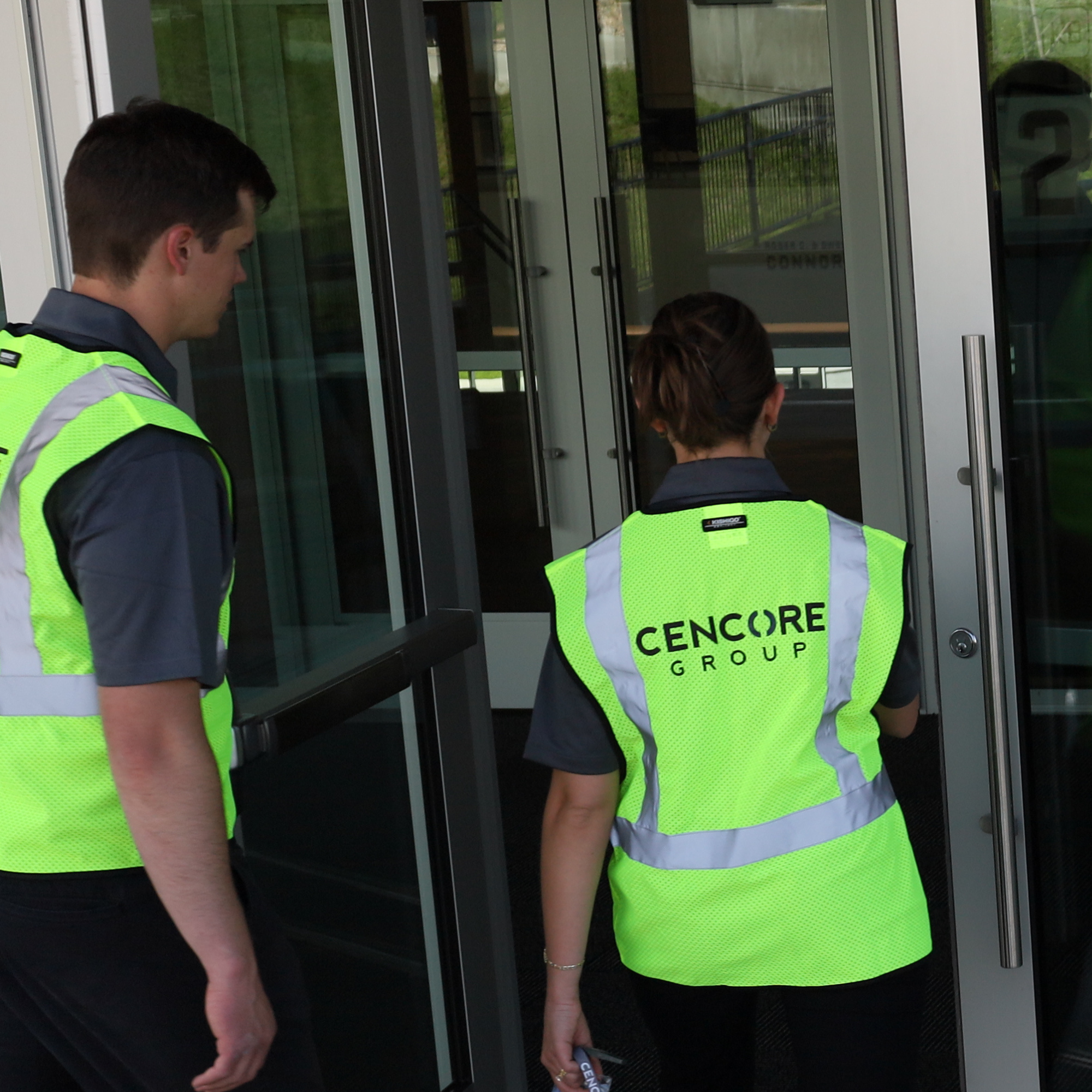
Security operations in high-sensitivity environments are never static. Things like staffing shortages, schedule changes, and inspection requirements can all create immediate coverage gaps while the need for consistent protection remains unchanged. Maintaining that level of security requires the ability to deploy qualified personnel quickly and maintain operations without interruption.
At CenCore, this capability is built into how we operate by ensuring qualified personnel are available immediately when project requirements change.
This capability is especially important in environments such as SCIF construction, secure data centers, and controlled facilities, where security requirements are continuous and closely tied to compliance. When there are pauses in security coverage, it introduces risk in accreditation and operational timelines. In these environments, even short disruptions in staffing or monitoring can create security concerns.
Our Hot Shot Teams at CenCore are dedicated rapid response surge teams that enable customers to quickly scale cleared personnel for time-sensitive mission requirements.
Rapid Response as a Deployment Function
Compared to traditional security guard services that rely on fixed schedules, rapid response is built around flexible deployment. High-sensitivity projects operate in phases, with frequent changes in staffing levels, work schedules, and access requirements. As a result, security needs shift alongside the project.
Surge teams provide a way to maintain coverage without relying on long hiring cycles or permanent staffing increases.
CenCore’s model is specifically designed around this need, allowing personnel to be deployed rapidly often within 24 hours of a surge request without the delays typically associated with sourcing and onboarding.
Their primary function is to ensure that security services continue uninterrupted during periods of change, including:
- staffing shortages or unexpected absences
- inspection and audit preparation
- schedule shifts or extended work hours
- short-term project requirements
Without this kind of deployment capability, organizations often face gaps in monitoring and access control, which can increase risk to security threats or delay project timelines.
These delays can directly affect accreditation schedules and overall mission readiness when staffing cannot keep up with project demands.
Clearance Readiness and Immediate Integration
A defining characteristic of effective rapid response teams is clearance readiness. Security personnel must meet strict eligibility and training requirements before they can operate onsite. This includes appropriate security clearances as well as familiarity with site-specific procedures.
Because the clearance process can take months, the availability of qualified personnel is limited. This directly affects how quickly a security service provider can respond to new requirements.
Rapid response teams solve this problem by maintaining personnel who are already cleared and prepared to integrate into active operations.
CenCore maintains a repository of cleared, cross-trained personnel including those with TS/SCI and polygraph requirements where applicable allowing us to fulfill approximately 98% of surge staffing requests.
This allows teams to:
- access restricted areas without delay
- support ongoing security protocols immediately
- maintain monitoring and access control without interruption
When it comes to rapid response, clearance readiness is one of the core factors that makes rapid deployment possible.
Alignment with Security Standards and Certifications
In addition to clearance requirements, rapid response teams must operate within established security frameworks. High-sensitivity environments are typically governed by standards such as ICD 705 and other federal security directives, which define how physical security, access control systems, and monitoring must be implemented.
Security personnel working within these environments are responsible for maintaining compliance at all times. This includes:
- enforcing access control procedures
- maintaining accurate logs and documentation
- supporting monitoring activities across the site
- following response protocols
Within construction security, these requirements are part of a broader layered approach designed to identify and respond to potential risks.
Rapid response teams support this structure by ensuring that each layer remains intact through changes.
Because CenCore personnel are already experienced in these standards, they can step into active projects without disrupting compliance or introducing operational inconsistencies.
Supporting Monitoring and Site-Control Functions
Effective security in high-sensitivity environments relies on consistent monitoring. This includes both physical presence and system-based oversight, such as access control systems and video surveillance. While technology plays an important role, security personnel are responsible for interpreting activity, identifying irregularities, and maintaining control over site operations.
This may include:
- supporting access control points
- maintaining perimeter awareness
- assisting with video surveillance monitoring
- coordinating with on-site security personnel
This continuity is critical because security systems are designed to work together. Gaps in monitoring or inconsistent coverage can reduce the effectiveness of the overall security solution, even if individual components remain in place.
Application Across Security Roles
Hotshot teams are typically composed of personnel with experience across multiple security functions. This allows them to support a range of operational needs depending on the site and project phase.
CenCore reinforces this flexibility by maintaining a cross-trained workforce capable of supporting multiple roles without additional ramp-up time.
These roles may include:
- Access control: verifying credentials and managing entry into controlled areas
- Security escort: ensuring compliance during the movement of uncleared personnel
- Guard support: providing additional coverage where security guards are required
Construction site security programs consistently rely on these combined roles to maintain safety, protect assets, and ensure compliance with project requirements. Maintaining consistent staffing across these roles is essential to preventing delays and maintaining operational continuity.
Designed for High-Impact, Short-Term Needs
Rapid response teams are most effective in situations where the security needs are immediate but not permanent. These are typically high-impact periods that require additional support.
Examples include:
- preparation for scheduled inspections
- temporary increases in workforce activity
- project phase transitions
- short-term operational surges
During these periods, organizations often need to expand their security service capability quickly. Surge teams provide targeted support that aligns with the duration and scope of the requirement.
With a high fulfillment rate and rapid deployment capability, CenCore enables organizations to scale security operations confidently without disrupting long-term staffing models.
This approach allows organizations to manage changing security needs efficiently while maintaining consistent coverage and compliance.
What Defines an Effective Rapid Response Security Capability
The effectiveness of a rapid response team depends on several interrelated factors. Each contributes to how well the team can support ongoing operations without disruption.
- Deployment speed ensures that personnel can be mobilized quickly when requirements change
- Clearance readiness allows those personnel to operate in restricted environments immediately
- Training and certification ensure alignment with site-specific standards and procedures
- Operational integration enables personnel to work within existing systems without introducing inconsistencies
CenCore’s operational model is built around these elements, allowing rapid response to function as a dependable extension of ongoing security operations rather than a temporary solution.
When these elements are in place, rapid response becomes a reliable extension of a broader professional security service rather than a temporary or isolated solution.
Conclusion
Our rapid response surge teams focus on maintaining continuous security coverage through rapid deployment of qualified personnel. At CenCore, this means leveraging a ready, cleared, and cross-trained workforce that can be deployed quickly and integrated seamlessly into active projects. This allows for secure sites to maintain consistent monitoring and access control, compliance with security standards, and uninterrupted project timelines.
By ensuring that security personnel can be deployed quickly and operate within established systems, rapid response teams help maintain stability across changing conditions without compromising protection.
Secure your project with CenCore’s Physical Security Services.
FAQ
How quickly can rapid response security personnel be deployed? CenCore maintains a ready pool of cleared, cross-trained personnel, allowing them to deploy qualified staff often within 24 hours without the delays of recruiting or onboarding.
Why is clearance readiness so important in surge staffing? Because the clearance process can take months, staffing delays are common when relying on traditional hiring models. CenCore solves this by maintaining personnel who are already cleared and prepared to integrate immediately, helping projects avoid disruptions to security coverage and compliance.
How does rapid response staffing help prevent project delays? Rapid response teams help prevent delays by ensuring continuous monitoring, access control, and adherence to security protocols even when staffing requirements change unexpectedly. This consistency is critical in environments where even short disruptions can introduce risk.