A SCIF (pronounced “skiff”) stands for Sensitive Compartmented Information Facility. It is a highly secure room, building, or enclosed space designed to protect classified information from unauthorized access, surveillance, and data leaks.
A SCIF is used to securely handle Sensitive Compartmented Information (SCI) a highly restricted category of intelligence that requires strict protection.
What Does “SCIF” Mean?
A SCIF is a controlled environment where classified intelligence can be stored, discussed, and processed securely. These facilities are used by government agencies, the military, and defense contractors working on national security missions.
What Are SCIFS Used For?
SCIFs exist to protect sensitive information and enable secure communication in high-risk environments.
They are specifically designed to prevent unauthorized access, electronic surveillance, and data leaks. This level of protection is critical for national security operations, where even small breaches can have serious consequences.
What Makes a SCIF Different to Regular Secure Rooms?
A SCIF is more than just a secure room, it is a controlled and accredited environment built to eliminate vulnerabilities.
Access is restricted to cleared personnel with a need to know, and strict controls are in place to prevent surveillance, interception, or accidental exposure of classified information. These safeguards allow sensitive intelligence to be handled safely in real-world operations.
Where Are SCIFs Used?
SCIFs are used anywhere classified or sensitive information must be protected. This includes government facilities, military installations, intelligence operations, and contractor environments.
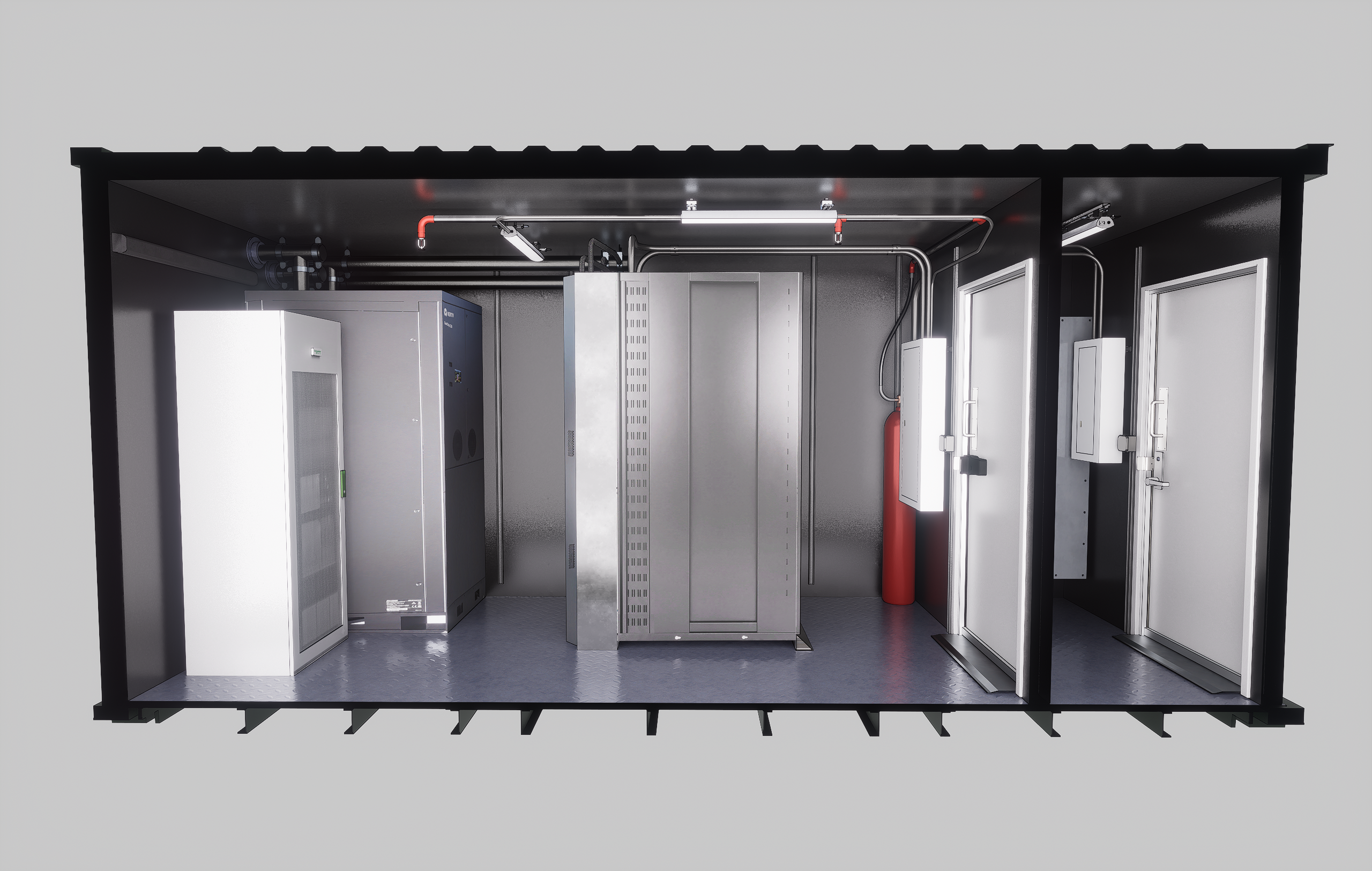
They can be permanent spaces inside buildings or temporary, deployable facilities depending on mission needs.
Explore Our SCIF Platforms →
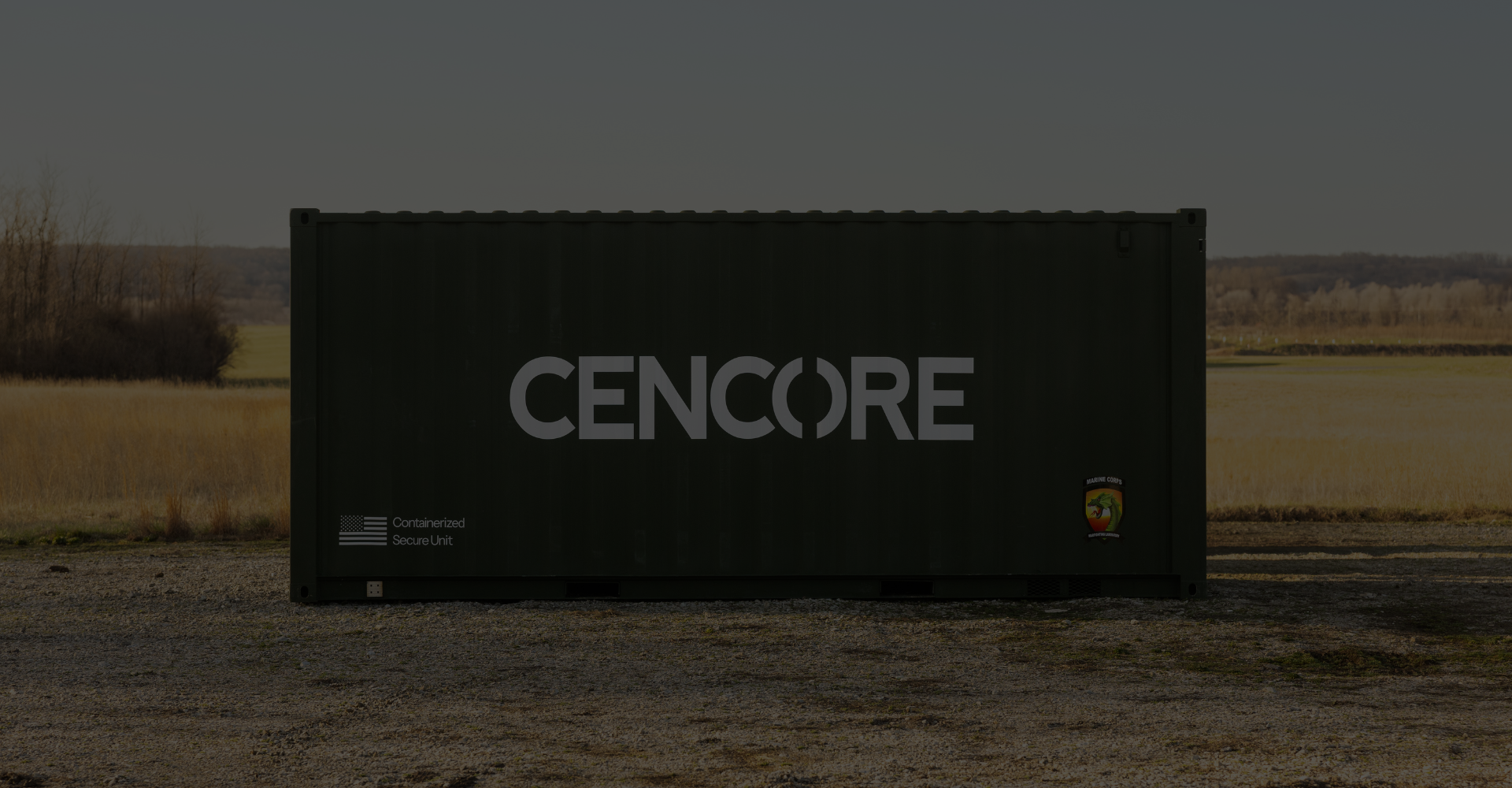
See how CenCore’s modular, containerized, and deployable SCIF platforms enable secure communication and classified operations anywhere.
FAQ’s
Can a SCIF be mobile? SCIFs can be permanent or deployable depending on mission needs, including portable or mobile setups.
What is Sensitive Compartmented Information (SCI)? SCI is a highly restricted category of classified intelligence that requires special handling inside secure environments.
Who uses SCIFS? SCIFs are used by government agencies, the military, intelligence organizations, and cleared contractors who work with classified information. In some cases, SCIF Congress environments are used by lawmakers to review sensitive intelligence and hold secure briefings related to national security.
Can You Bring a Cell Phone Into a SCIF? In most cases, no. Personal electronic devices such as cell phones, smartwatches, tablets, laptops, and other wireless devices are generally prohibited inside SCIFs because they can introduce security risks through recording, transmission, or unauthorized data storage.
Specific policies vary depending on the organization and mission, but anyone entering a SCIF should follow the facility’s security procedures and only bring items that have been explicitly authorized.