For professionals interested in government contracting and national security work, a TS/SCI clearance is one of the most valuable credentials they can obtain. This security clearance provides access to highly sensitive government programs and can open doors to careers supporting national security.
What Is a TS/SCI Clearance?
A TS/SCI clearance combines a Top Secret clearance with access to Sensitive Compartmented Information (SCI).
The Top Secret clearance level authorizes access to classified information that could cause exceptionally grave damage to national security if improperly disclosed. SCI access is an additional authorization that allows individuals to work with compartmented information and particularly sensitive intelligence-related programs. A person may hold a TS clearance without SCI access, but SCI access can’t be granted without an underlying Top Secret clearance.
Who Needs a TS/SCI Clearance?
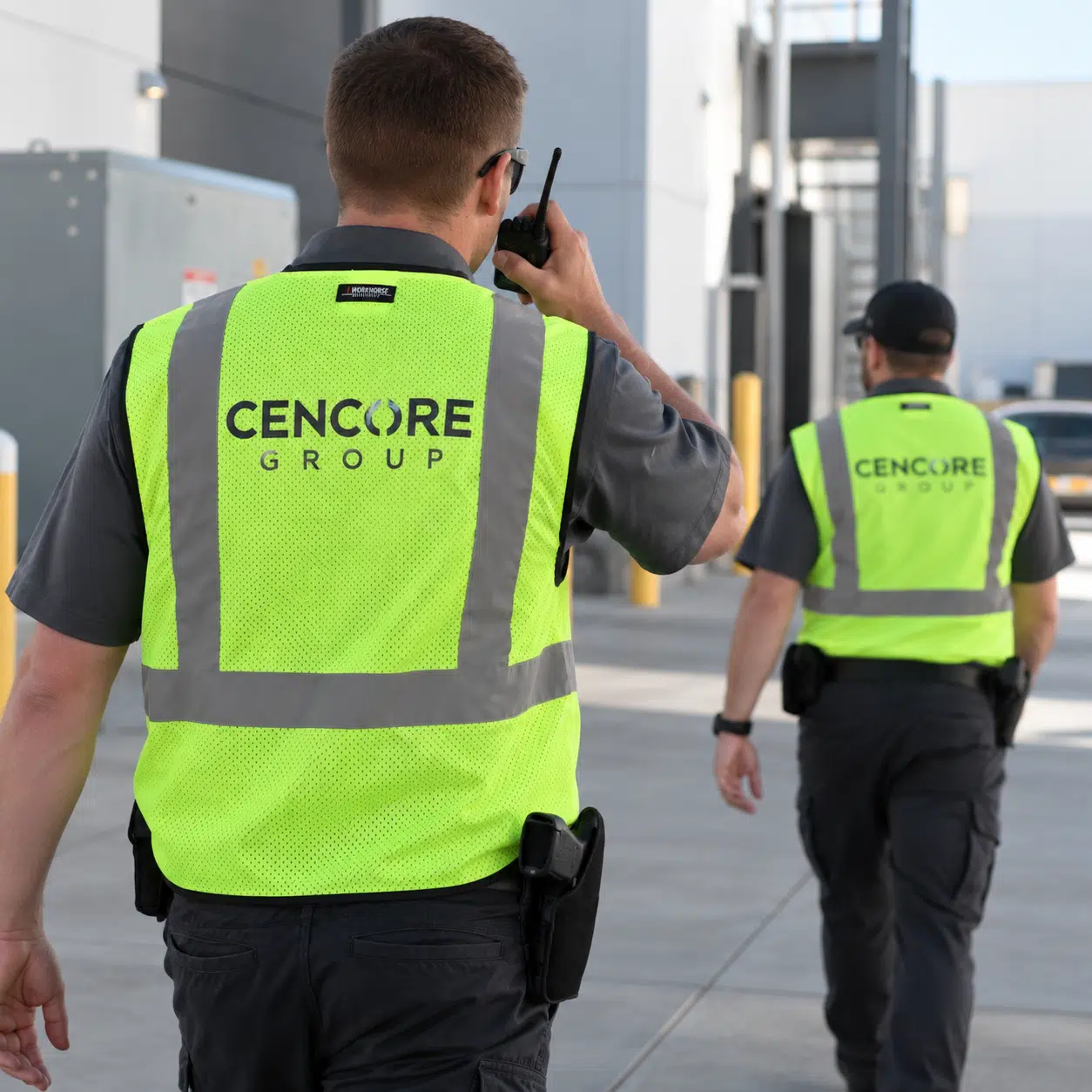
A TS/SCI clearance is commonly required for professionals working in secure government environments where access to classified information is necessary. This includes cleared physical security, government contractors, facility support personnel, and others supporting sensitive government operations.
Why Does a TS/SCI Clearance Matter?
A TS/SCI clearance allows qualified personnel to access classified information and support missions that protect national security.
Government agencies and contractors rely on trusted personnel who can responsibly handle classified information and support secure operations. Because earning this level of access requires extensive vetting, a TS/SCI clearance is highly valued throughout the government contracting community.
For many people, a TS/SCI clearance becomes the foundation for a long-term career in the cleared workforce.
The Biggest Misconception About TS/SCI Clearances
A question that is commonly asked with people looking to obtain a TS/SCI clearance is “Can I get a TS/SCI clearance on my own?” the answer is no.
Individuals cannot initiate the clearance process independently. Sponsorship from a government agency or authorized government contractor is normally required before the security clearance process can begin. Depending on the position, the process may include background investigations, eligibility reviews, and a polygraph requirement.
This sponsorship requirement is often the biggest obstacle for individuals looking to enter the cleared workforce.
How CenCore’s National Security Program Helps Candidates Obtain a TS/SCI Clearance
One of the biggest challenges for aspiring cleared professionals is sponsorship. Most individuals cannot obtain a TS/SCI clearance on their own and must be sponsored by a government agency or authorized contractor before entering the security clearance process.
CenCore’s National Security Program provides qualified candidates with a pathway into the cleared workforce through clearance sponsorship opportunities and hands-on experience in secure government environments. Participants gain practical exposure to government contracting while building a foundation for long-term careers supporting national security missions.
Eligible participants may obtain a TS/SCI clearance with a polygraph, a credential that is highly valued throughout the government contracting industry.
Start Your Cleared Career Journey
A TS/SCI clearance remains one of the most valuable credentials in the national security workforce. While obtaining one can seem complicated, the right sponsorship and experience can make the process more accessible.
CenCore’s National Security Program was created to help eligible candidates obtain sponsorship, gain real-world experience in secure government facilities, and build a foundation for long-term careers supporting national security missions. For individuals looking to enter the cleared workforce, it provides a practical path toward earning a TS/SCI clearance and developing a successful career in government contracting.
Frequently Asked Questions (FAQ)