Data centers are being pushed into an era where zero trust is no longer an abstract cybersecurity idea—it is an infrastructure requirement. As AI workloads grow, multi-tenant environments expand, and regulated industries tighten their compliance standards, operators are recognizing a hard truth: software alone cannot secure sensitive data.
To genuinely achieve zero trust security, physical infrastructure has to carry part of the load. That means eliminating implicit trust, isolating workloads at the hardware level, and creating environments where no rack, user, workload, or network segment can interact without authentication, authorization, and continuous verification.
This shift has accelerated demand for modular data centers and containerized data centers that provide true zero trust segmentation at the physical layer.
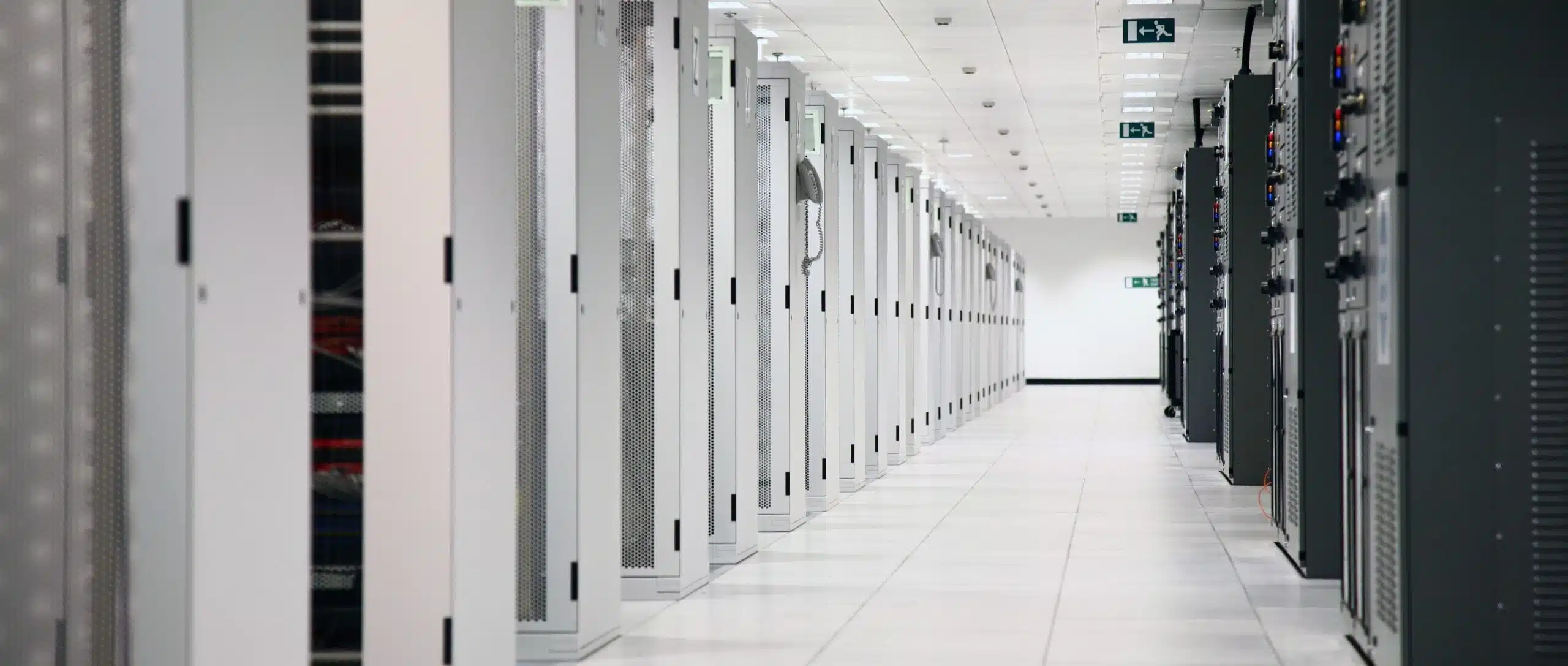
Zero Trust Is Now a Physical Infrastructure Mandate
Most organizations began their zero trust journey by tightening identity systems, improving authentication, adopting MFA, and rewriting their security policy frameworks. Those steps matter. But zero trust architecture cannot be complete unless the physical environment reflects the same zero trust principles.
If workloads can move freely between racks or if network segmentation is only happening at the virtual layer, the zero trust model breaks. Especially in environments handling:
- AI model training
- Export-controlled compute
- Sensitive R&D
- Financial or key-management systems
- Government or defense workloads
- High-value GPU clusters
Software-based network security is foundational, but it cannot prevent risks that arise when workloads are physically co-located in a shared space.
True zero trust requires removing unauthorized access not only at the identity level but at the facility level—something traditional data centers struggle to deliver quickly.
Where Traditional Data Centers Fall Short
Operators often assume they can create strong network segmentation without touching physical infrastructure. But in practice, several challenges emerge:
- Segmentation policies become complicated in shared rooms
- Network traffic from multiple customers flows through shared hardware
- Access control to certain aisles cannot be fully isolated
- Hybrid environments blend on-prem and cloud workloads, creating new gaps
- Sensitive data requires stricter security controls than the building supports
Even with advanced tools like secure access service edge (SASE) solutions, there are limits to what software can compensate for when the underlying environment is physically shared.
When a tenant or internal team needs guaranteed isolation—fast—traditional construction timelines make it impossible to adapt quickly.
This is why the market needs to shift toward modular solutions that create dedicated, highly controlled, segmented pods without touching existing infrastructure.
Containerized Data Centers: Zero Trust in a Physical Form
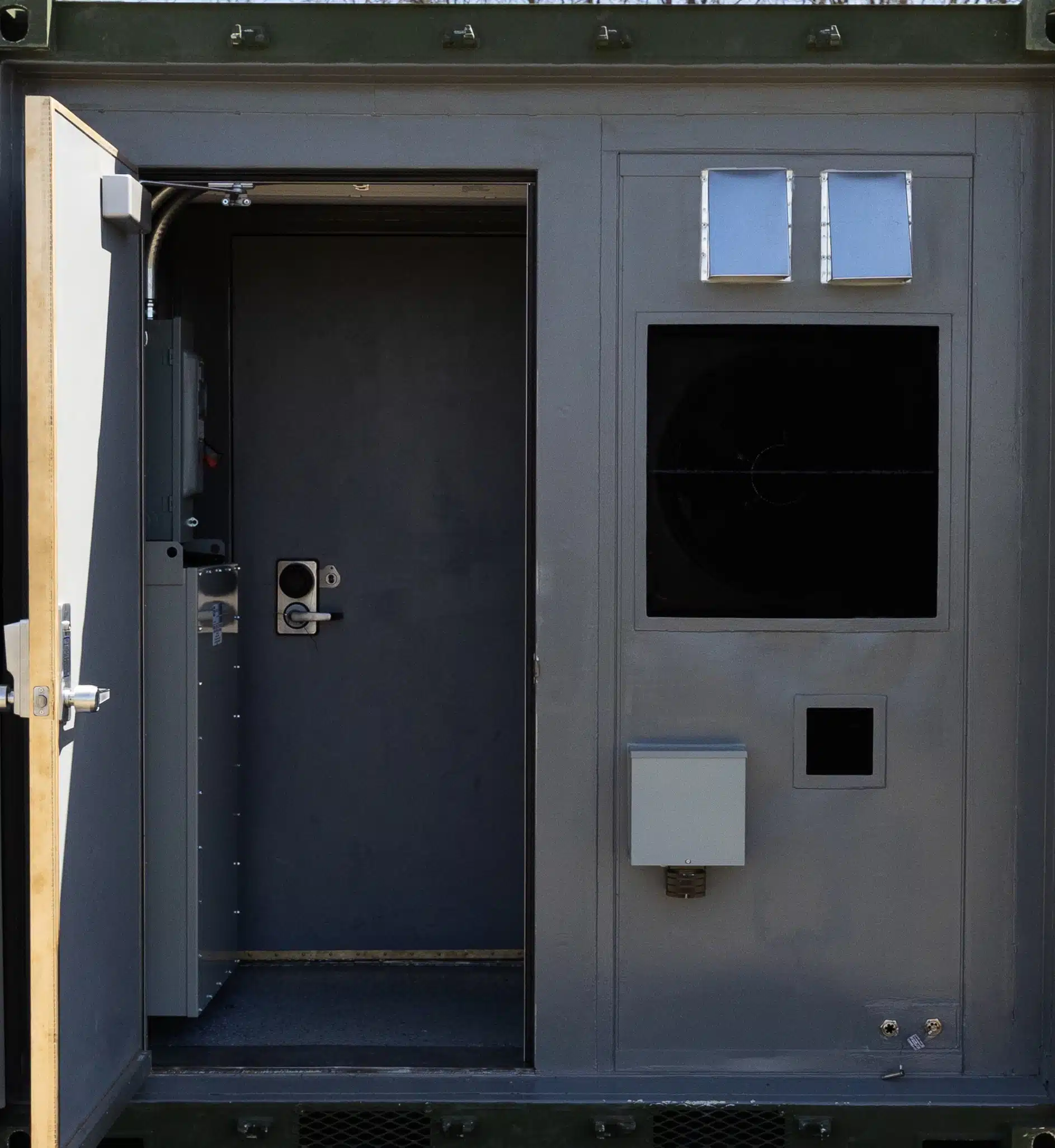
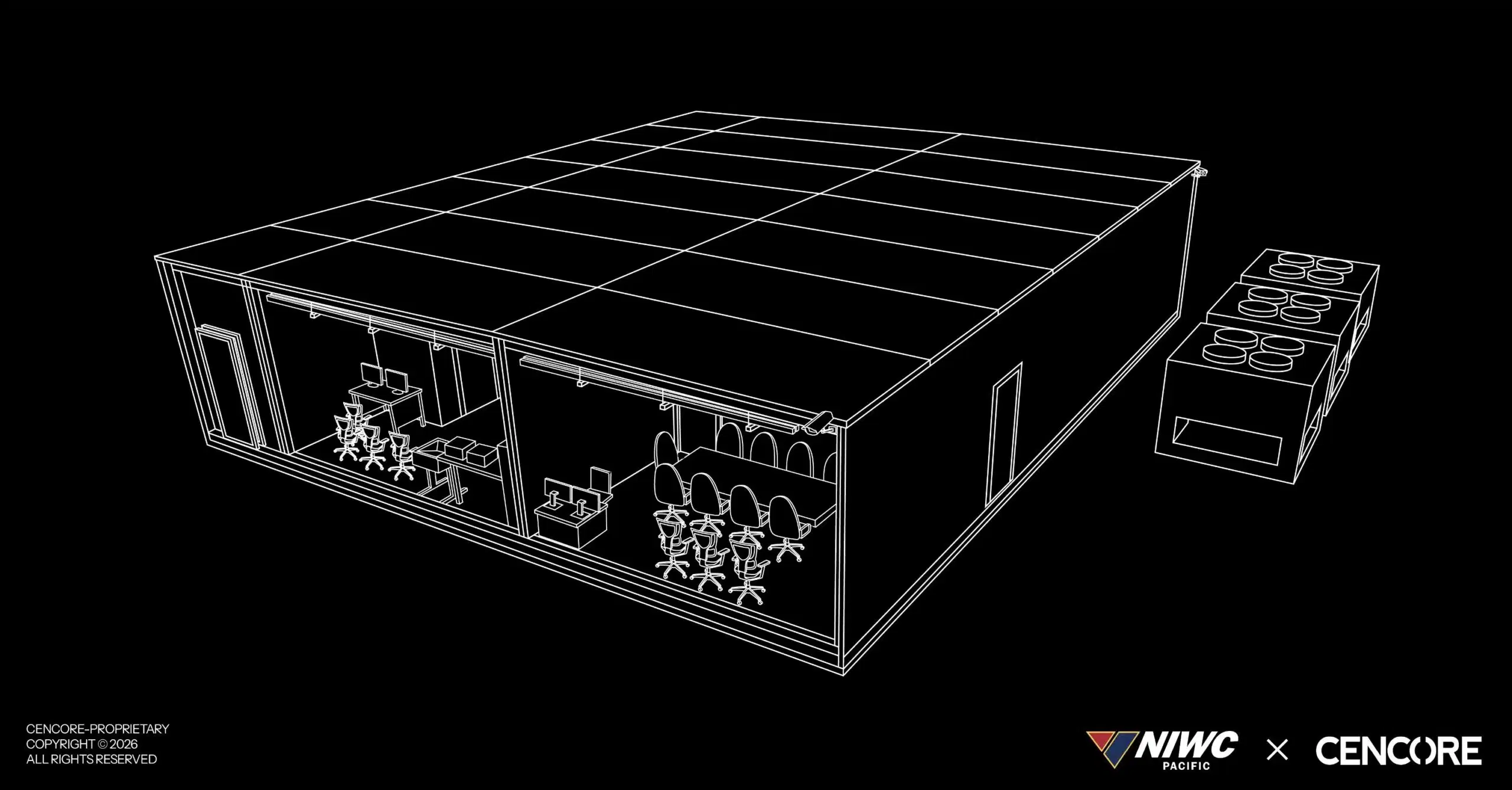
A containerized data center provides an instantly deployable, physically segmented environment that mirrors zero trust architecture principles in hardware.
Instead of relying on only virtual segmentation, a containerized data center creates:
✔ A physically separate network segment
No shared airflow, wiring, cabling pathways, or rack environments.
Perfect for organizations needing high-security boundaries.
✔ Dedicated access control and granular access controls
Every door, panel, sensor, and port can be tied to strict, role-based identity verification policies.
✔ Independent HVAC, power, and monitoring
Eliminates cross-rack exposure and reduces risk of internal cyber threats caused by shared systems.
✔ Strong container security with optional RF/EMI shielding
Critical for workloads requiring air-gapped or shielded environments.
✔ Improved security measures for sensitive data
The containerized secure unit becomes its own isolated facility — fully segmented from the larger campus.
This creates an environment where zero trust principles are not just an IT policy—they’re physically baked into the building.
Why Segmentation Matters More in the Era of AI
AI workloads are accelerating this shift. High-density GPUs, sovereign AI models, and regulated data force organizations to adopt zero trust strategy frameworks that include hard physical boundaries.
Containerized Secure Units offer:
- Isolation of AI training clusters
- Dedicated environments for model fine-tuning
- Physical and digital controls around model access
- Reduced blast radius in the event of compromise
- Data-level protection for sensitive datasets
When sensitive data or algorithmic training environments live inside shared racks, even the best software-defined defenses can leave exposure gaps.
Containerized secure units fix this with predictable, repeatable physical segmentation aligned with zero trust principles.
How Modular Data Centers Strengthen Zero Trust Across Hybrid Environments
Today’s infrastructure blends on-prem, cloud, and edge environments. This makes segmentation harder, not easier. Modular data centers serve as isolated anchors inside these hybrid environments, offering:
- Independent zones for cloud-adjacent workloads
- Physical boundaries for regulated compute
- Consistent network policy enforcement
- Stronger cloud security when Containerized Secure Units act as local enclaves
- Isolation for network traffic analysis and inspection
Security teams benefit because they can apply uniform security measures and segmentation policies without re-engineering the entire data center layout.
Use Cases Where Containerized Zero Trust Segmentation Wins
1. Multi-Tenant Data Centers
Operators can lease isolated Containerized Secure Units to customers who require dedicated compute—without redesigning an existing hall.
2. Sensitive AI & R&D Workloads
Containerized environments let teams keep algorithms, datasets, and GPUs physically separate from general-purpose compute.
3. Government, Defense, and CUI
Air-gapped Containerized Secure Units support compliance frameworks that require more than software segmentation.
4. Crypto, FinTech, and Healthcare
Industries protecting sensitive data like financial transactions or medical records benefit from secure, isolated hardware zones.
5. Temporary, Project-Based, or Bursty Compute Needs
Containerized Secure Units can be delivered, deployed, scaled, removed, or relocated—supporting zero trust segmentation even for short-term workloads.
Security Teams Finally Get Orchestration without Complexity
For security teams, modular data centers remove major challenges:
- No need to remodel existing spaces
- Immediate elimination of implicit trust zones
- Simplified privilege access enforcement
- Easier application of segmentation policies
- Dedicated logging, monitoring, and threat intelligence streams
- A clear separation between trusted and untrusted environments
Even advanced systems like SASE frameworks benefit when physical segmentation aligns with zero trust network access rules.
When hardware and software share the same trust principles, network security becomes dramatically more effective.
Why CenCore’s Modular Data Centers Are Built for This Future
CenCore’s containerized data centers were built with the mission mindset of zero trust architecture, physical isolation, and controlled environments.
Key advantages include:
- Defense-grade container security
- Built-in segmentation at the physical and network layer
- Dedicated HVAC and power
- Configurable rack densities
- Strong access control systems
- Shielding options for RF/EMI environments
- Plug-and-play deployability
- Flexibility across on-prem, cloud-adjacent, or edge locations
The result is a Containerized Secure Unit that gives operators consistent, repeatable zero trust segmentation without downtime or redesign.
The Future of Zero Trust Is Modular and Physical
As organizations confront escalating cyber threats, expanding AI footprints, complex hybrid environments, and tighter regulatory scrutiny, zero trust can no longer be a software-only effort. It must extend into the physical domain.
Modular data centers are becoming the backbone of zero trust strategy because they provide:
- Predictable segmentation
- Guaranteed isolation
- Reduced attack surface
- Dedicated zones for high-value workloads
- Fast deployment with no construction delays
Physical zero trust segmentation will define the next decade of data center growth—and containerized data centers are the fastest, most flexible way to get there.
About CenCore
Headquartered in Springville, UT, CenCore is a trusted partner in delivering innovative security solutions in an ever-evolving threat landscape. CenCore delivers U.S.-made, tech-agnostic, open-source security systems that ensure global secure communications. CenCore prioritizes cost-effective, high-performance solutions over superficial appeal.
FAQ: Zero Trust Data Center