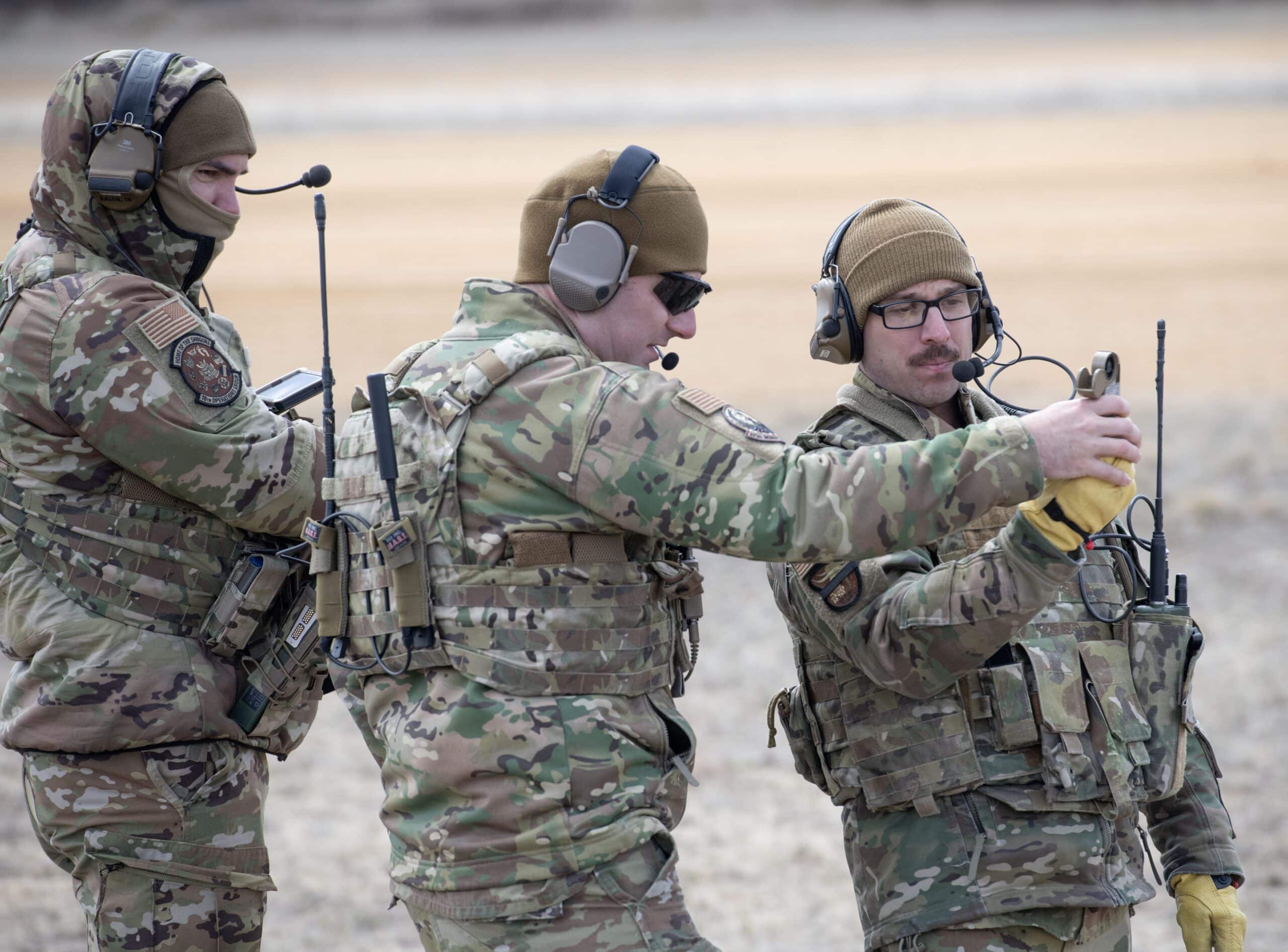
The fundamental truth of modern warfare and border security remains constant: without secure, resilient communications, the Kill Chain fails. As sophisticated threats proliferate both at our borders and from near-peer adversaries, the imperative for robust command, control, communications, and computing (C4) infrastructure has never been a more critical concern.
To illustrate this principle, consider a notional scenario: A border surveillance unit detects suspicious movement but loses connectivity before coordinates can be relayed to interdiction teams. By the time communications are restored, the opportunity for interception has passed. This type of communications failure represents a serious vulnerability in border security operations at the US Mexico border and demonstrates why robust C4 infrastructure is essential.
Understanding JADC2 and the Kill Web
The Pentagon’s vision for Joint All-Domain Command and Control (JADC2) represents the evolution of modern warfare into what security experts call the “Kill Web.” This concept moves beyond traditional siloed approaches to create an interconnected network where sensors and weapons from all military branches communicate and coordinate in real-time.
As documented in the Department of Defense JADC2 Strategy, this approach “provides the warfighting capability to sense, make sense, and act at all levels and phases of war, across all domains, and with partners, to deliver information advantage at the speed of relevance.”
In practical terms, JADC2 implementation at the united states border operations could theoretically allow a ground-based radar system to detect an unauthorized drone threats, automatically alert nearby counter- unmanned aerial systems (UAS) , and coordinate a response—all within seconds and without human intervention. However, this vision faces significant challenges in implementation:
- Different services have developed systems that weren’t designed to communicate with each other
- Legacy platforms use proprietary communications protocols
- Secure data exchange across classification levels remains difficult
- Operations must function even in contested electromagnetic environments
The Three Pillars: Personnel, Platform, and Proximity: The CenCore Advantage
At CenCore, our expertise centers on three fundamental pillars that address today’s most pressing security challenges: Personnel, Platform, and Proximity. While our highly trained teams form the foundation of our capabilities, our technological solutions provide the critical edge in modern security operations.
Platform Excellence
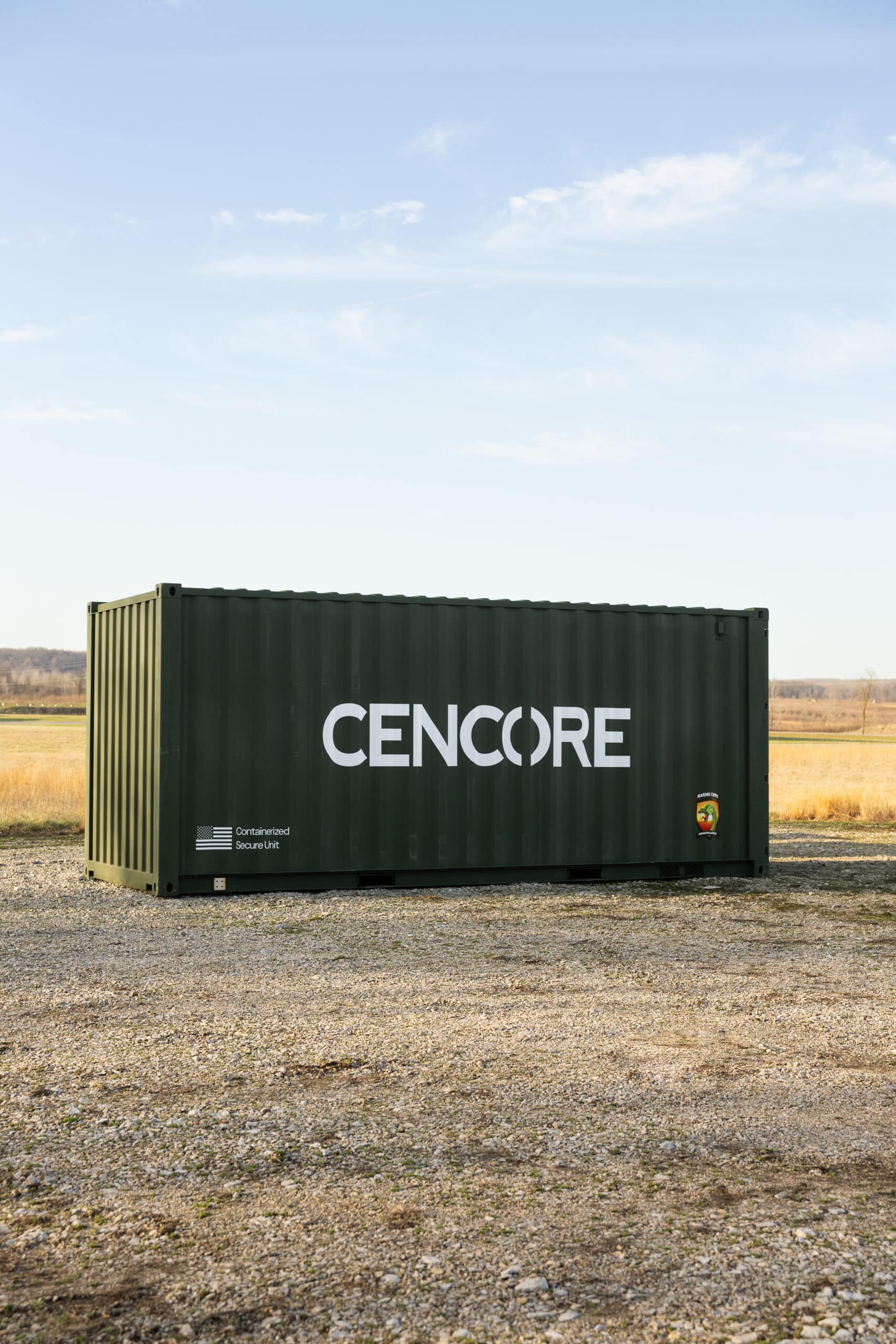
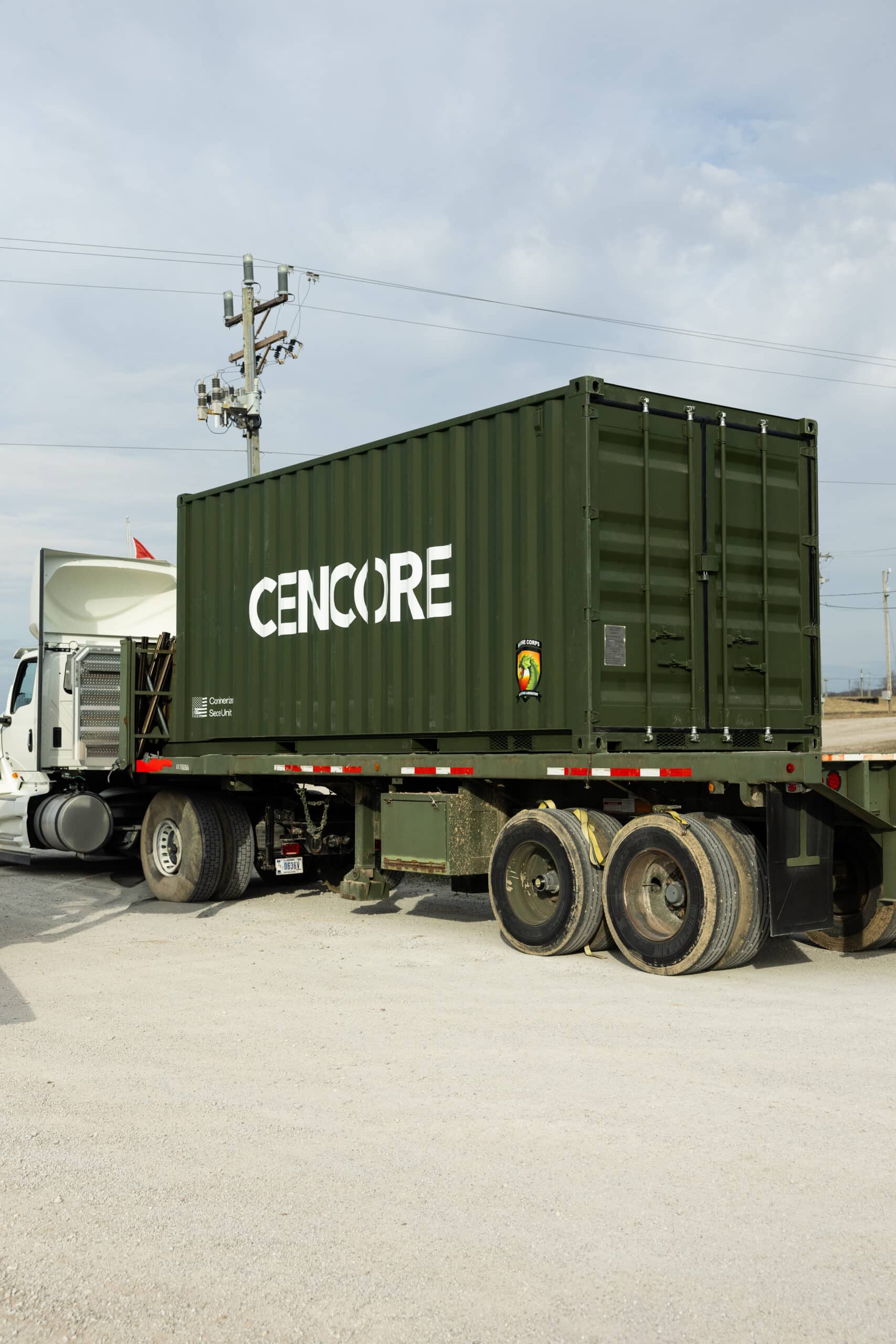
Our Containerized Secure Units (CSUs) and Modular Data Centers (MDCs) serve as the backbone of next-generation secure communications. Unlike traditional fixed infrastructure, these platforms are designed specifically to enable the Kill Web at the tactical edge.
In a notional deployment scenario, our CSU-20 could enable border patrol agents to establish a complete communications hub in a matter of hours rather than the weeks typically required with conventional methods at the southern border. This rapid response capability would allow security forces to maintain initiative against mobile threat actors.
Proximity Dominance
By positioning secure computing capabilities precisely where they’re needed—at border hotspots, forward operating locations, or critical infrastructure sites—we ensure that the “sensor to shooter” timeline is measured in seconds, not minutes or hours.
For example, in a hypothetical border security operation, units utilizing edge computing capabilities could potentially reduce detection-to-interdiction times by significant margins compared to units relying on centralized processing, where data must travel to distant facilities before analysis can occur.
The Evolving Border Threat Landscape
A U.S. border patrol agent faces unprecedented challenges requiring immediate communication solutions:
- Unauthorized drone surveillance and contraband delivery, with commercially available drones now capable of carrying substantial payloads
- Sophisticated smuggling networks with advanced counter-detection techniques
- Intelligence gaps between federal, state, and local agencies
- Electromagnetic spectrum competition and jamming
Consider that commercially available jamming technology can potentially disrupt conventional communications systems, highlighting the need for resilient communications infrastructure that can operate in contested environments.
Tech-Agnostic Solutions: Bridging Critical Gaps
The Department of Defense JADC2 Strategy emphasizes that disconnected systems severely limit operational effectiveness. As the DoD report states, “Each of the services were going off in different directions as they build their service-specific tactical networks.”
This observation can extend to border protection challenges, where multiple agencies often operate different systems. CenCore’s solutions directly address this challenge through our tech-agnostic approach:
- Open API Integration: Seamlessly connects both legacy and cutting-edge systems, potentially allowing integration of existing sensor arrays with newer analytics platforms
- Cross-Domain Solutions: Enables secure data flow between classification levels, critical for joint operations between different types of agencies
- Multi-Protocol Support: Translates between disparate communications formats, allowing interoperability between military, law enforcement, and emergency service protocols
- Vendor-Neutral Architecture: Avoids proprietary lock-in that hampers adaptability
- Future-Proofed Design: Accommodates emerging technologies through modular design
The Kill Chain Imperative
The modern Kill Chain relies on five essential functions that CenCore enables:
- Find: CSUs aggregate multi-source intelligence (HUMINT, SIGINT, IMINT) at the edge, creating a comprehensive common operating picture
- Fix: Our mesh network ensures continuous target tracking even with degraded communications
- Fire: Secure, low-latency connections enable rapid weapons-target pairing—particularly important for counter-drone operations where targets move at high speeds
- Finish: Real-time feedback confirms mission success
- Feedback: Tactical data captured for immediate analysis and improvement
When any link breaks—particularly communications—the entire chain fails. In a theoretical counter-trafficking operation, even momentary communications loss could allow high-value targets to escape, highlighting how brief disruptions can have significant consequences.
Dual-Accredited Security at the Edge
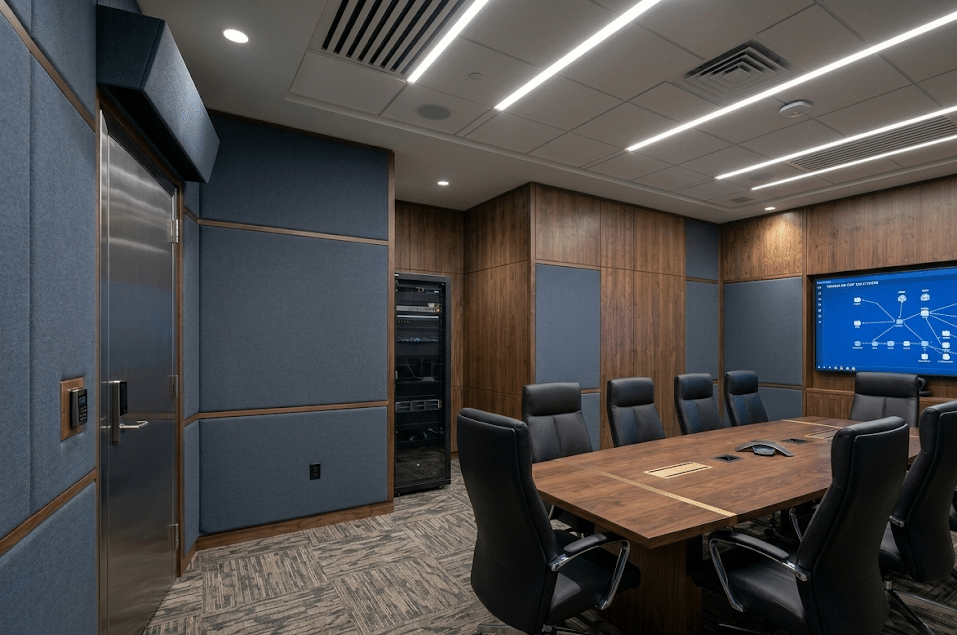
CenCore’s CSUs achieve what traditional SCIFs cannot: mobile, dual-accredited security allowing simultaneous operations across multiple classification domains. This capability is transformative for border operations where agencies with different clearance levels must coordinate seamlessly.
In a notional joint task force operation, a dual-accredited facility would allow intelligence analysts with higher clearances to provide real-time guidance to tactical teams operating at lower clearance levels—a capability that traditionally requires cumbersome information sanitization processes.
Enabling AI-Driven Border Security
The future of border defense relies increasingly on artificial intelligence to process massive sensor data volumes. Our CSUs provide:
- Edge computing for real-time AI analysis without backhaul limitations
- Secure environments for processing sensitive algorithms
- Fusion capabilities for multi-source intelligence
- Persistent operations even in contested electromagnetic environments
In a hypothetical application, AI-powered sensor fusion could identify smuggling patterns that might elude human analysts, potentially leading to more effective interdiction operations.
Cost-Effective Force Multiplication
CenCore’s approach delivers exceptional value through:
- Rapid Deployment: 20-foot and 40-foot ISO-certified containers deployable worldwide via standard logistics channels
- Reduced Infrastructure Requirements: Self-contained units require minimal supporting facilities
- Scalable Architecture: Expand capabilities without foundational redesign
- Tech-Agnostic Integration: Leverage existing investments while enabling new capabilities
- Continuous Operations: Mesh networking ensures no single point of failure
A cost-benefit analysis could potentially demonstrate that CSU deployment delivers equivalent capabilities at lower total cost of ownership compared to traditional fixed infrastructure approaches.
Contact our team to receive a customized analysis for your needs.
Securing America’s Interests: The Path Forward
For decision-makers tasked with protecting U.S. interests, the choice is clear: without robust, mobile, secure communications at the tactical edge, the Kill Chain remains vulnerable. CenCore’s CSUs and MDCs provide the essential infrastructure to:
- Detect and counter unauthorized border incursions in real-time
- Enable multi-agency coordination without classification barriers
- Process intelligence at the point of collection, eliminating backhaul bottlenecks
- Maintain operational capability even when conventional communications are degraded
By addressing the unique challenges of various operational environments, from desert to mountain to urban terrain, these solutions can adapt to a full spectrum of security challenges.
The Bottom Line
The reality of modern defense is uncompromising: No Comms, No Kill Chain. As threats evolve at our borders and beyond, CenCore’s Platform and Proximity expertise, combined with our tech-agnostic approach, ensures that America’s defense and security apparatus maintains the communications backbone essential for mission success.
Our CSUs and MDCs don’t just enable the Kill Chain—they revolutionize it through mobility, security, and unparalleled integration capabilities, ensuring that U.S. interests remain protected regardless of the operational environment.
Explore CenCore’s Secure Platforms
Power every link in the Kill Chain with CenCore’s secure, deployable Platforms—built to connect, protect, and command at the tactical edge.
About CenCore:
CenCore specializes in tech-agnostic C4 solutions that support JADC2, Joint Fires Network operations, and the Kill Web. Our dual-accredited units enable secure communications across all operational domains, ensuring mission success at the speed of relevance.